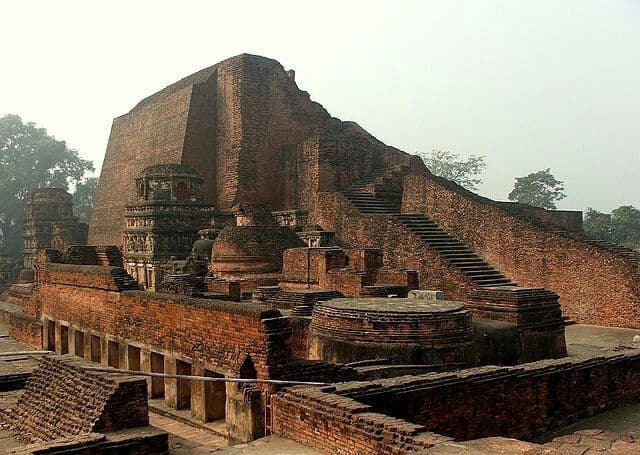
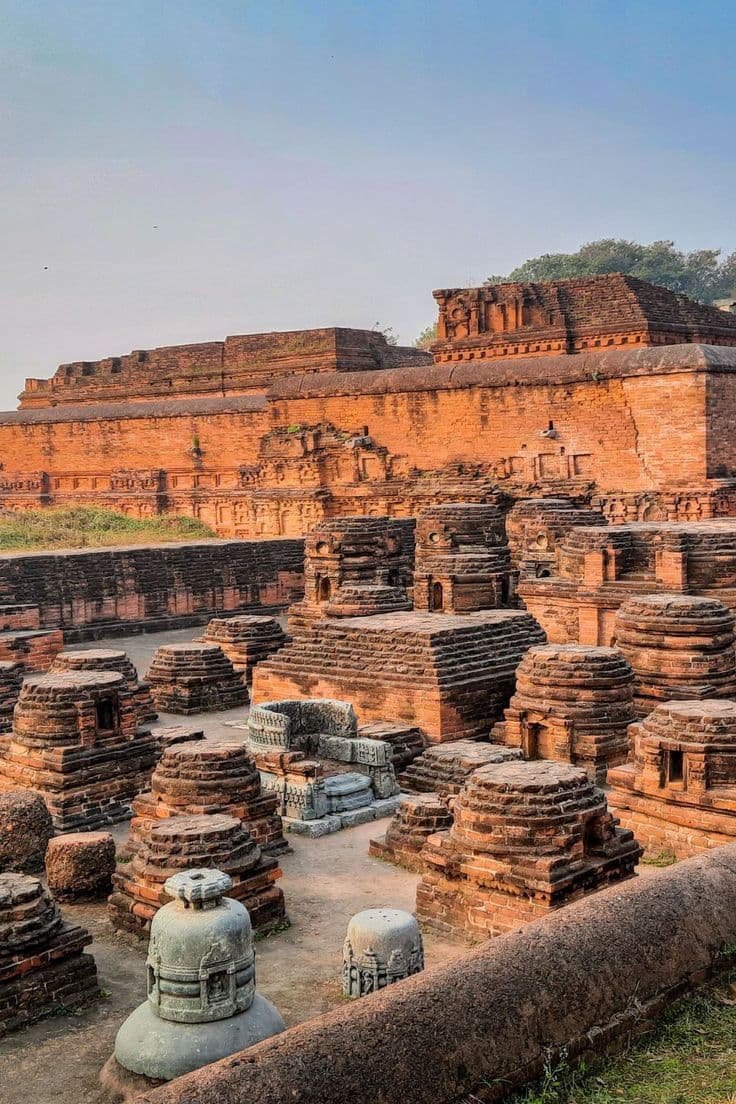
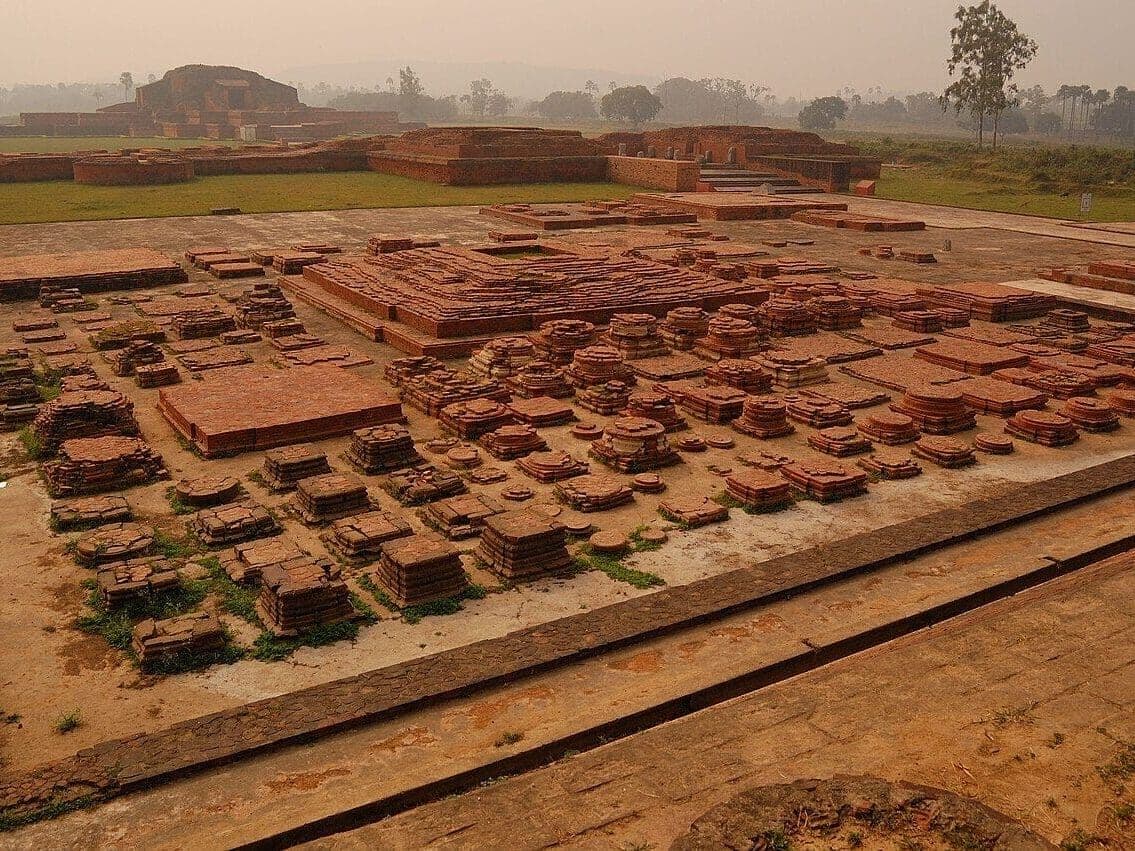




A brick rectangle the size of fourteen football pitches sits in a flat field 90 km east of Bodh Gaya. The cells are empty. Lecture halls stand roofless. For almost 800 years — from the 5th century to the 12th — this rectangle was Nalanda, the world's first residential university and arguably the most important seat of learning the Indian subcontinent ever built.
Ten thousand students, two thousand teachers
By the 7th century, when Xuanzang — the Chinese monk who would inspire the novel Journey to the West — arrived after a sixteen-year overland trek, Nalanda was already legendary. He stayed five years. His diary, still preserved in the Imperial Library in Beijing, describes 10,000 students from across Asia: Tibetans, Chinese, Sumatrans, Persians, Koreans. Two thousand teachers held lectures in eight monasteries. Eight separate libraries — including one nine storeys tall, called Ratnodadhi ('Sea of Jewels') — held tens of thousands of palm-leaf manuscripts on logic, astronomy, medicine, grammar, philosophy and mathematics.
Admission was brutal: a verbal exam at the gate where two in every three applicants were turned away. Once inside, students paid no fees — the entire university ran on the income from 200 villages donated by the Gupta and Pala emperors. The curriculum was famously secular for its time: a Buddhist monastic academy that nonetheless taught Vedic Hinduism, Jainism, Sankhya philosophy, Sanskrit grammar and even the medical surgery of the Charaka Samhita.
1193: the fire that took ninety days to die
In 1193 CE, the Turkic warlord Bakhtiyar Khilji — having sacked Bihar a year earlier — turned south from his base near Patna. The Persian historian Minhaj-i-Siraj, who interviewed eyewitnesses, recorded what happened: Khilji's soldiers, finding shaved-headed Buddhist monks and assuming they were soldiers, killed every monk in the compound. Then they piled the manuscripts in the Ratnodadhi library and set them alight. The fire, Minhaj wrote, smouldered for three months — the loss to the world's intellectual heritage was effectively complete. Buddhism, which had been Nalanda's lifeblood, retreated within a generation to Tibet, Sri Lanka and Southeast Asia. India would not have a university of comparable scale until the British founded the University of Calcutta in 1857.
What survives — and what to look for
- The Stupa of Sariputra — the largest single structure on the site, dedicated to the Buddha's chief disciple and rebuilt seven times in seven centuries. Each layer of brick is visibly different.
- The Monastic Cells — Vihara No. 1 and No. 4 still show drainage channels, fireplaces, and the stone bowl every monk used for begging.
- The Bronze Buddha torso (Archaeological Museum) — a Pala-period masterpiece dredged from a well, considered one of the finest surviving examples of Indian metal-casting.
- Nava Nalanda Mahavihara (10 km) — the new university opened in 2014 as a deliberate inheritor of the old, with students from 22 countries.
- {{strong|Hieun Tsang Memorial} (1.5 km) — a Sino-Indian monument to the Chinese pilgrim who studied here for five years.
The Buddhist Circuit, completed
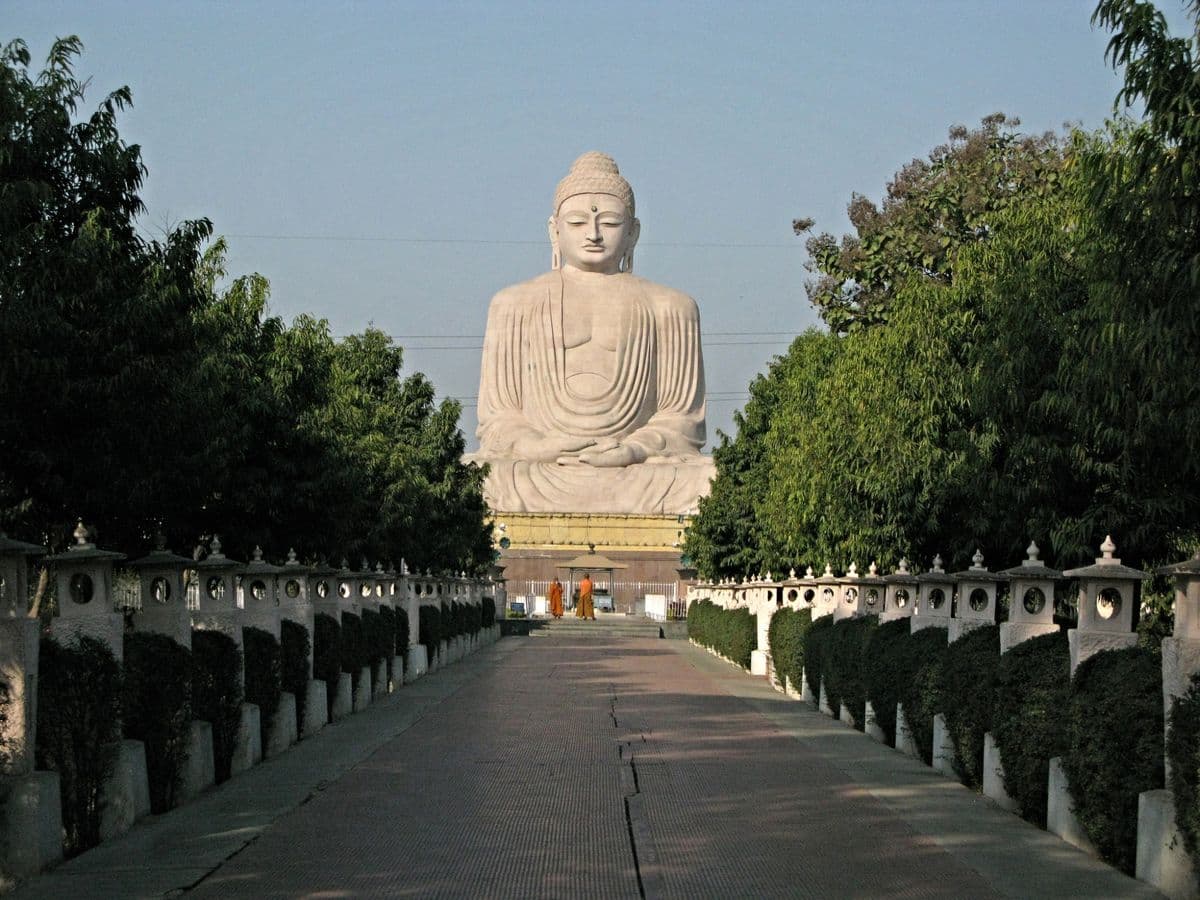
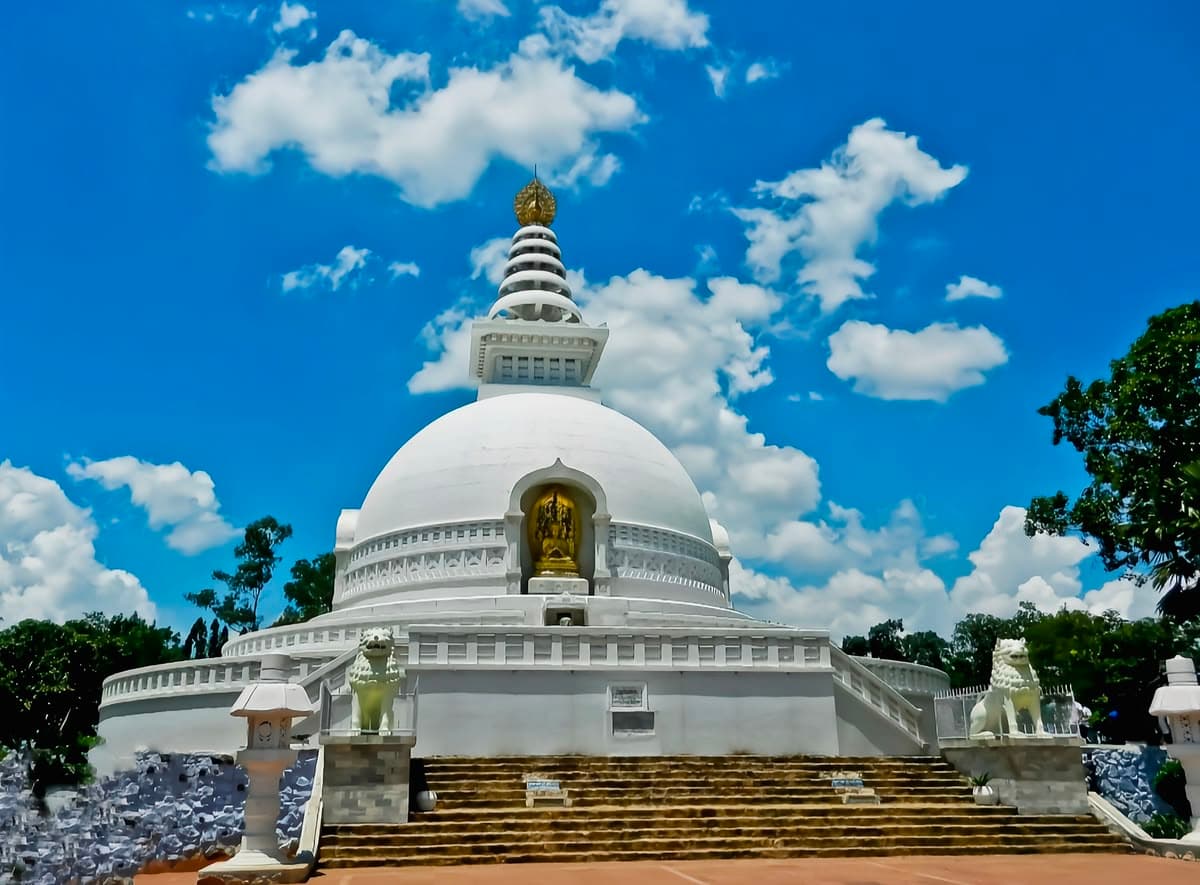
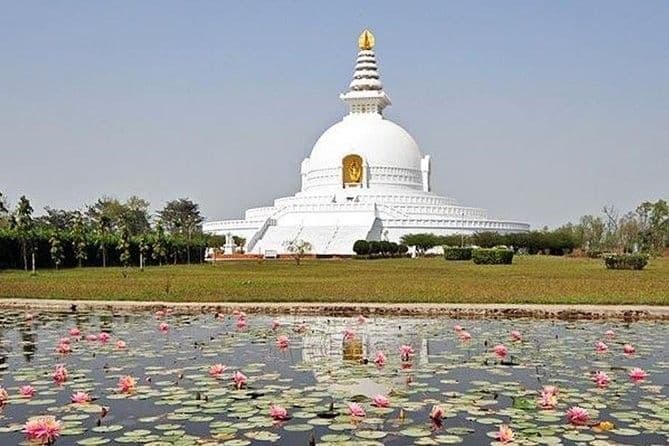
Nalanda is the academic anchor of Bihar's Buddhist Circuit. Most travellers spend the morning at Nalanda, lunch in the small bazaar, then drive 12 km south to Rajgir for the chairlift up to the Vishwa Shanti Stupa and the hot springs. From Rajgir, Bodh Gaya is 80 km — the place where it all began. The traveller who follows the route in reverse — Bodh Gaya, Rajgir, Nalanda — walks the same path the Buddha walked in the 5th century BCE, and the same path Xuanzang walked twelve hundred years later. Browse all Bihar destinations or other heritage sites.
“When the smoke had cleared, the books were ash. But the ideas had already left India in the heads of every student who studied there.”

About the author
Arjun BanerjeePilgrimage · Heritage
Kolkata-based historian and travel writer who walks India's pilgrimage routes, reading temple towns as living archives of language, ritual and trade.
More from Arjun BanerjeeFrequently asked questions
- How long do I need at the Nalanda ruins?
- A focused visit is 2.5 hours — the ruins are vast, mostly unshaded, and the on-site museum needs another 30 minutes. Combine with Rajgir (12 km) for a full day. Patna airport is the nearest, 90 km north, and Gaya airport is 100 km south-west.
- Is photography allowed at Nalanda?
- Still photography is free. Tripods and video cameras require a small ASI permit (₹25 per camera). The museum prohibits all photography because of the fragile palm-leaf manuscript fragments on display.
- Can I stay overnight in Nalanda village?
- Most travellers stay in Rajgir (12 km, better hotels) or Bodh Gaya (90 km, more international standard). The state-run Nalanda Tourist Bungalow is the only decent option in Nalanda itself, but rooms are basic and book out months ahead during winter.
Discover India
Planning a trip to India?
Most of our editors live and travel across India. Here are some of the destinations and stories worth bookmarking before you go.