About Gangotri
Perched at 3,100 metres on the Bhagirathi, this shrine marks the Ganga's symbolic descent — the second dhām of the Chota Char Dham. The real glacial source, Gaumukh, sits a 19 km trek further up the Gangotri Glacier.
History
The white-granite temple was built by the Gorkha general Amar Singh Thapa in the early 18th century at the spot where King Bhagiratha is said to have meditated for a thousand years — his penance bringing the Ganga down from heaven, broken in Shiva's matted locks before reaching the earth. The actual source of the river, Gaumukh ('cow's mouth'), is a glacial snout 19 km upstream and has been retreating at roughly 20 m per year since the 1930s — a stark, visible record of climate change. A submerged Shivalinga at the bathing ghat is visible in winter when the Bhagirathi runs lower; tradition says this is the very rock on which Shiva sat to receive the river.
Best Time to Visit
May to June, September to October
Entry fees in your currency
- Gaumukh trek permit (Indian)₹150$…
- Gaumukh trek permit (Foreigner)₹600$…
Live INR rates, refreshed hourly. Confirm at the gate counter — entry fees may have changed since this page was updated.
Entry Fee · Tickets
How much does it cost to visit Gangotri?
Free temple entry. Permit required for the Gaumukh trek.
- Gaumukh trek permit (Indian)₹150
- Gaumukh trek permit (Foreigner)₹600
- Mandatory Char Dham yatra biometric registration
- Open early May to early November (Akshaya Tritiya to Diwali / Govardhan Pooja)
- Aarti timings: 5:30 a.m. and 7:00 p.m.
- Gaumukh permit available 1 day in advance at the Gangotri National Park gate or online via Uttarakhand Forest portal
Plan your visit
Stay, fly, or ride to Gangotri, Uttarakhand
Affiliate links — we may earn a small commission at no extra cost to you.
Traveller photos
Photos from people who’ve been
Be the first to add a shot of how it really looks.
Got a photo from your visit? Add it here.
Uploading anonymously is fine — but sign in so your photos move with you across devices.
Loading photos…
Traveller reviews
What others say about Gangotri
Sign in to leave a review for Gangotri.
Sign inLoading reviews…
Travel Tips
- Roadhead reaches the temple — no trek required for darshan itself
- Gaumukh trek requires a permit from the Gangotri National Park office (Bhagirathi range, capped at 150/day)
- Carry empty bottles to fill with Gangajal — pilgrims traditionally take it home or use it for life rituals
- Harsil (25 km downstream) makes a quieter overnight base than Gangotri itself
- The 'aarti' at the ghat at dusk uses 108 oil lamps and is the highlight of an overnight stay
Temples & Heritage Sites
- Bhagirath Shila — the rock platform of King Bhagiratha's penance
- Mukhwa Temple — Ganga's winter abode, 20 km below Gangotri
- Tapovan and Nandanvan — high-altitude meditation grounds beyond Gaumukh, 23–25 km
How to Reach Gangotri
Gangotri is located in Uttarakhand, India at coordinates 30.9947°N, 78.9398°E. You can reach Gangotri by air (nearest airport in Uttarakhand), train, or road. Use YatraJunction's free fare calculator to compare live train, bus and flight prices, and to build an AI-powered itinerary tailored to your budget and travel dates.
Planning Your Visit to Gangotri
Gangotri lies in Uttarakhand, India, and ranks among the state’s most-visited pilgrimage destinations. The nearest major city and transport gateway is Dehradun, roughly 115 km away — most travellers route through Dehradun by air or rail before continuing on to Gangotri. Time your trip for May to June, September to October for the most comfortable weather.
Visitors from Japan are eligible for India’s e-Tourist Visa — apply online a few days before you fly. Foreign nationals pay ₹600 entry at Gangotri, and all on-site costs are in Indian Rupees (₹); use the currency converter above to see each ticket tier in your home currency.
Attractions closest to Gangotri
Frequently Asked Questions
- What is the best time to visit Gangotri?
- The best time to visit Gangotri is May to June, September to October.
- What are the top travel tips for Gangotri?
- Roadhead reaches the temple — no trek required for darshan itself. Gaumukh trek requires a permit from the Gangotri National Park office (Bhagirathi range, capped at 150/day). Carry empty bottles to fill with Gangajal — pilgrims traditionally take it home or use it for life rituals. Harsil (25 km downstream) makes a quieter overnight base than Gangotri itself. The 'aarti' at the ghat at dusk uses 108 oil lamps and is the highlight of an overnight stay.
- Where is Gangotri located?
- Gangotri is in Uttarakhand, India, at 30.9947° N, 78.9398° E. The nearest major city and transport hub is Dehradun, about 115 km away.
- What are the best places to visit near Gangotri?
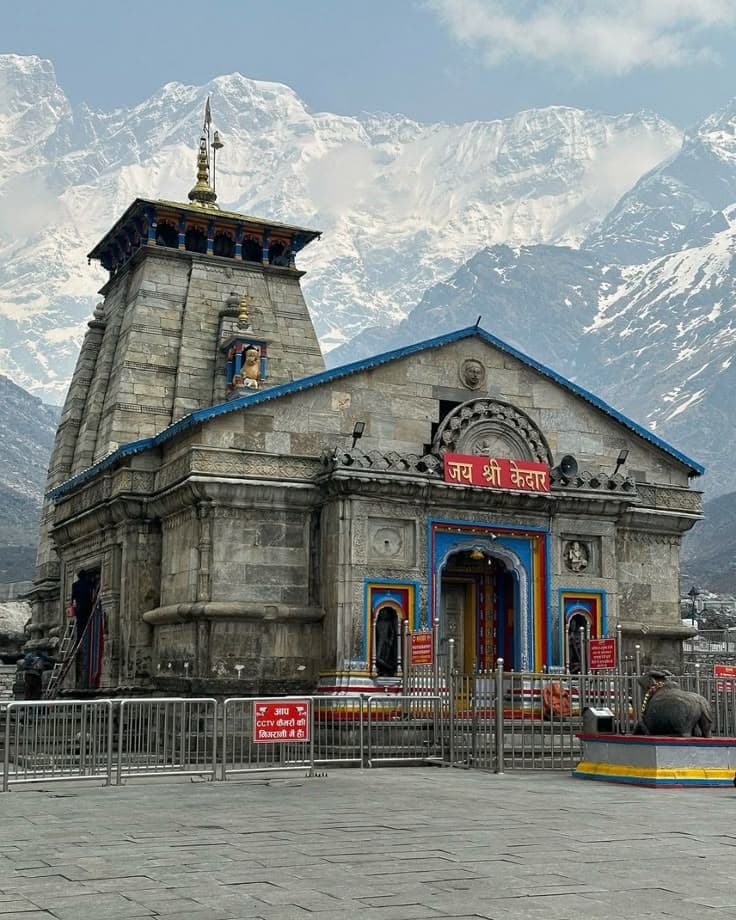
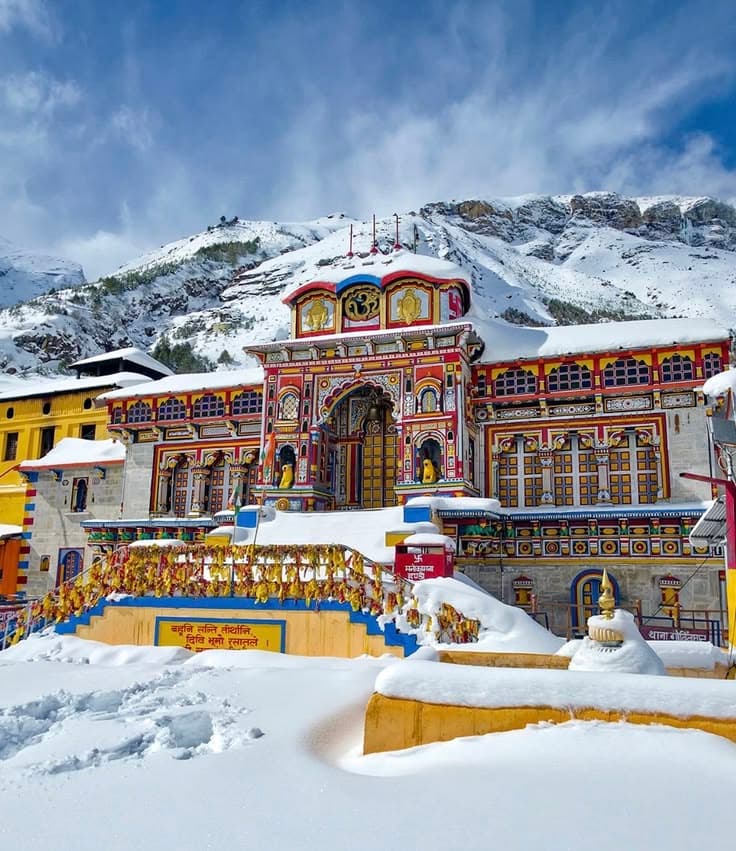
- Top attractions near Gangotri include Kedarnath Temple (about 31 km away), Yamunotri (about 47 km away), Badrinath Temple (about 60 km away) — all easy to combine on a Uttarakhand trip.
- What is the entry fee at Gangotri for foreign tourists?
- Foreign nationals pay ₹600 to enter Gangotri (rates last verified 2025-10). Indian and other ticket tiers are listed in the Entry Fee section above.
Discover India
Planning a trip to India?
Most of our editors live and travel across India. Here are some of the destinations and stories worth bookmarking before you go.