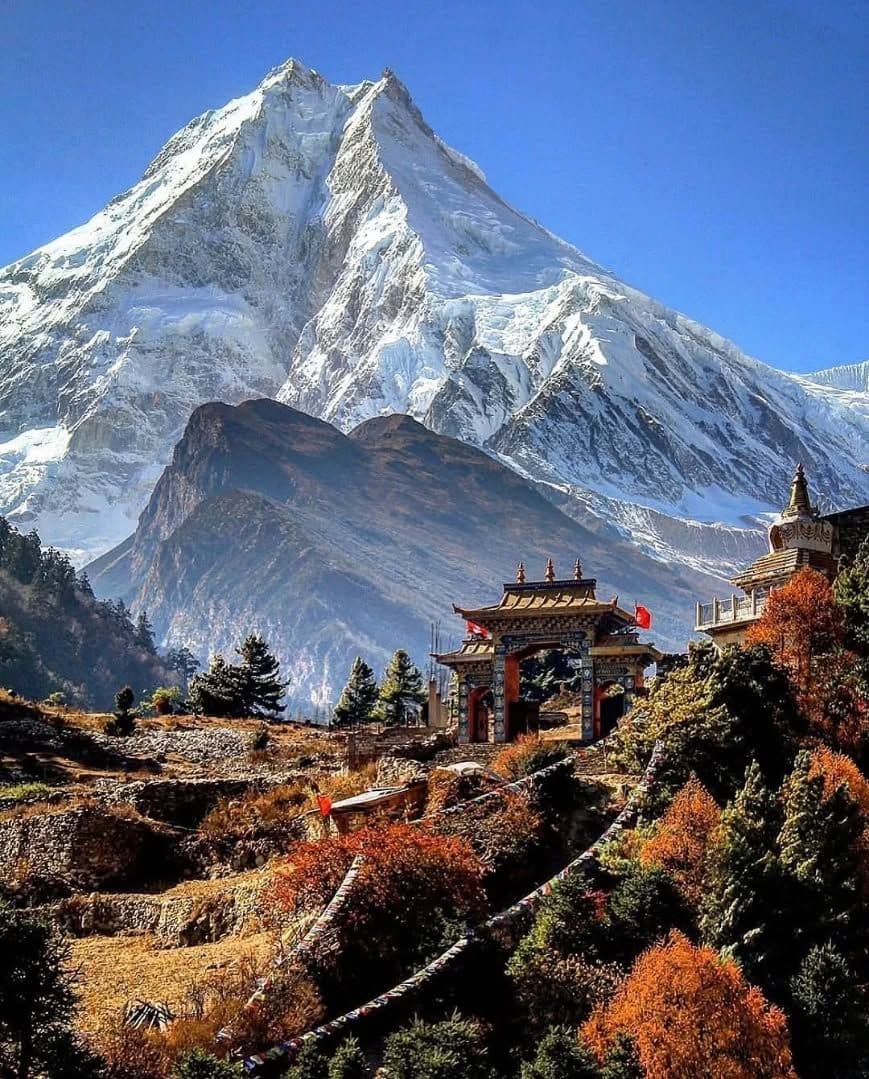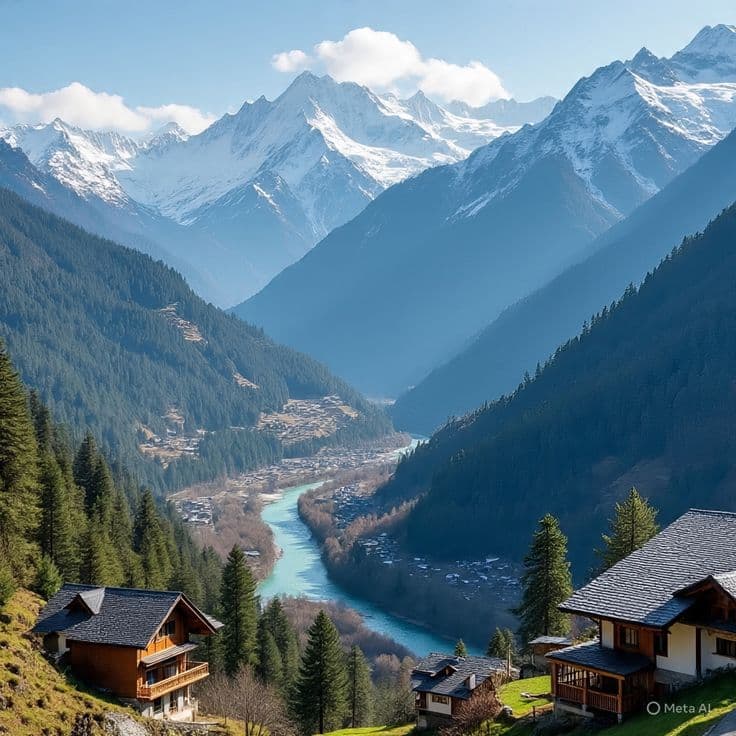
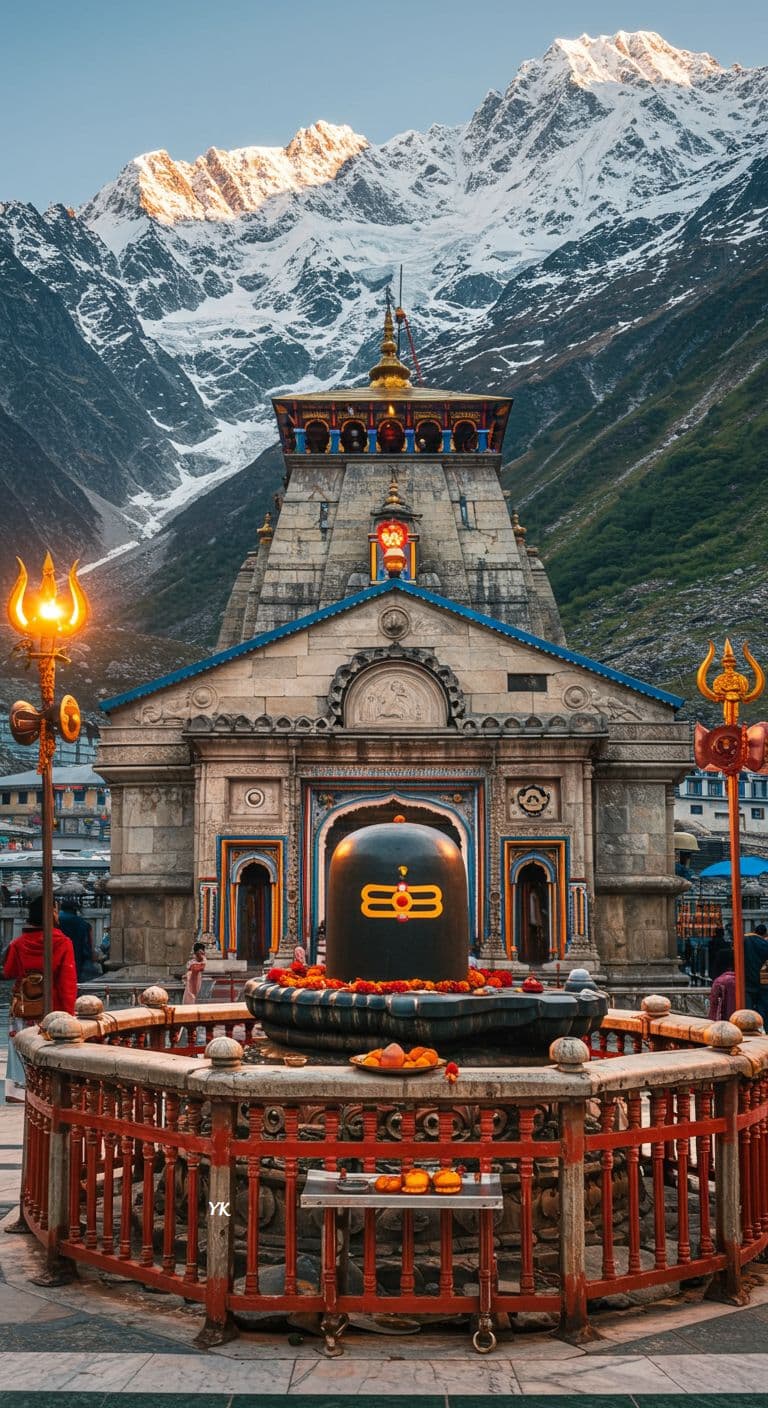
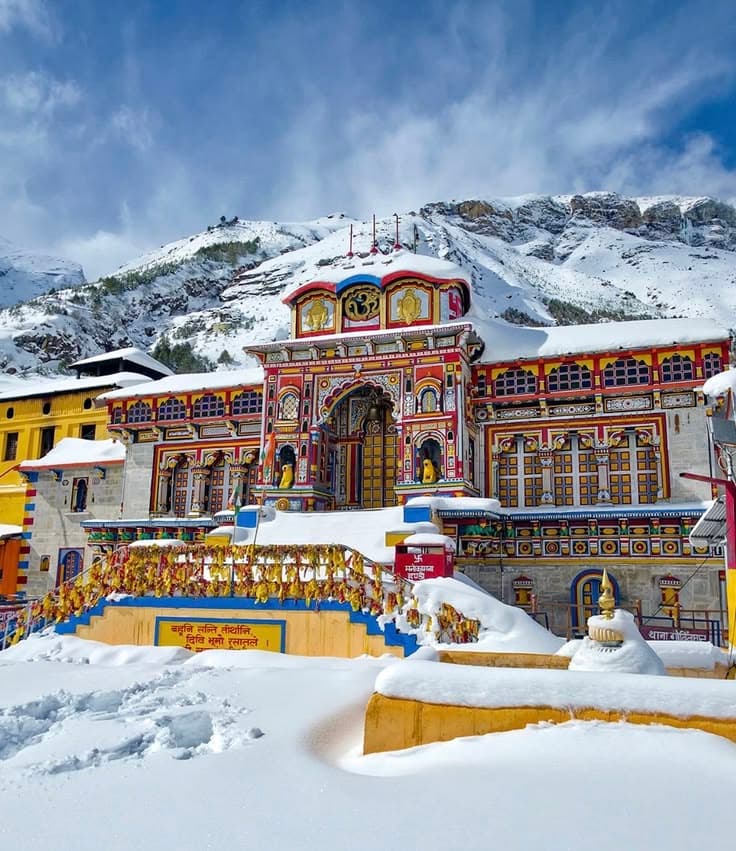
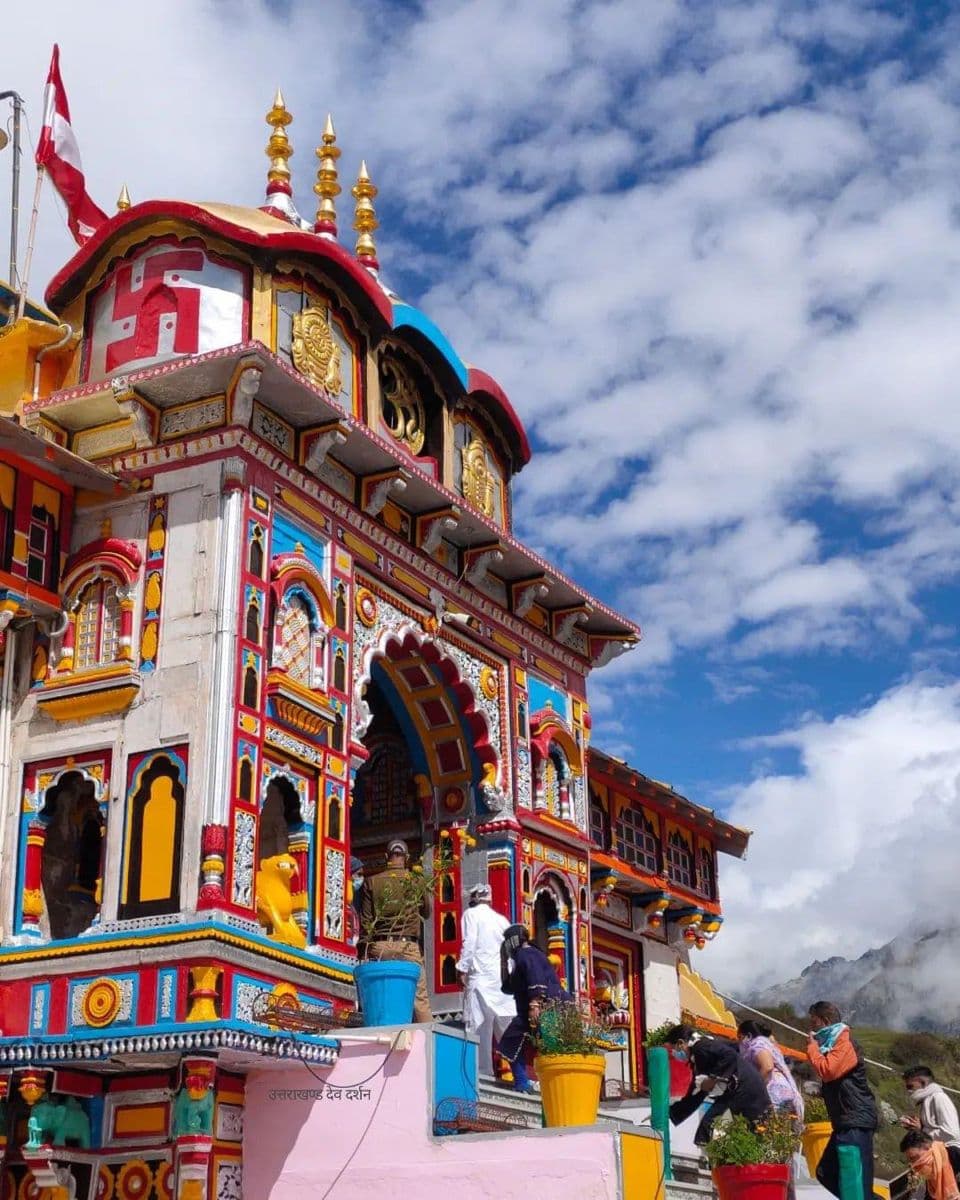
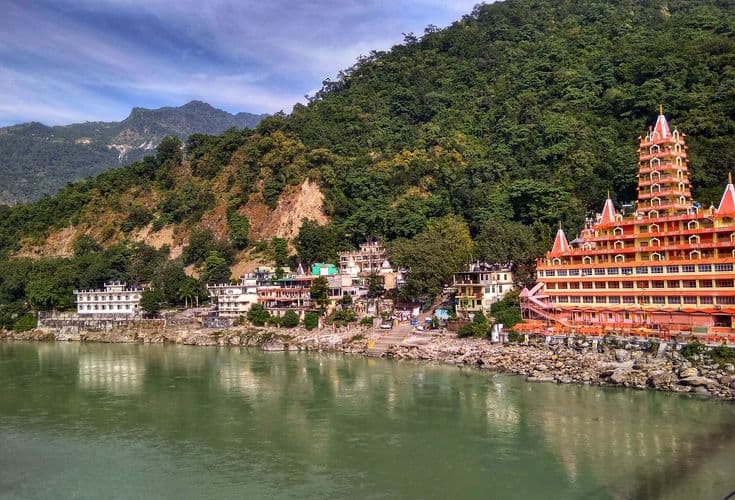
Gangotri temple on the Bhagirathi river, Uttarakhand

Chota Char Dham: A Pilgrim's Path Through the Garhwal Himalayas

Four shrines at the head of two rivers and the abodes of Shiva and Vishnu. The 8-12 day yatra that every North Indian household hopes to complete in a single Himalayan summer.

YJ
YatraJunction Editorial
12 min read695 words

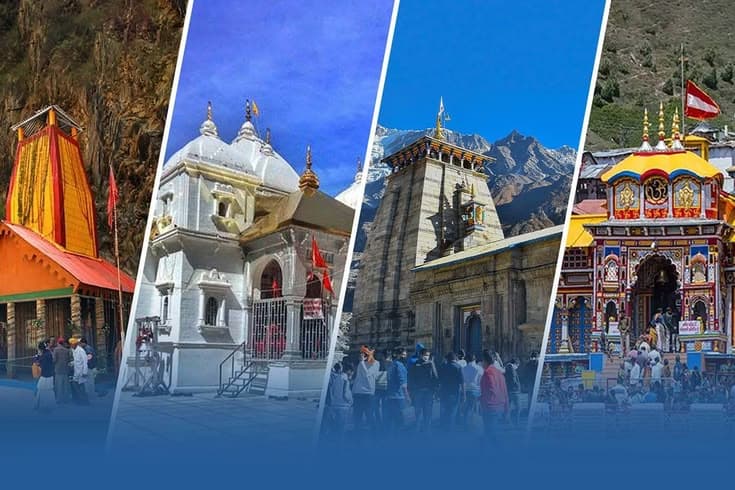
There is a sentence repeated in every Garhwali home as the snow recedes in late April: Akshaya Tritiya pe kapat khulenge — 'the doors will open on Akshaya Tritiya'. Four temples, locked under three metres of snow each winter, fling their gates open in unison on a single auspicious day. From that morning until early November, an unbroken stream of pilgrims walks, drives and now flies into the Garhwal Himalayas to complete the Chota Char Dham — the four small abodes — at Yamunotri, Gangotri, Kedarnath and Badrinath.

The four shrines, in canonical order

The traditional pradakshina is clockwise — Yamunotri first, then Gangotri, then Kedarnath, finishing at Badrinath. The order is not arbitrary: the first two are the symbolic sources of the Yamuna and the Ganga; the second two are the high-altitude abodes of Shiva and Vishnu. Together they thread two of India's most sacred rivers through a four-temple geography that begins with water and ends with the Himalayan gods.

  • Yamunotri (3,293 m) — a 6 km uphill trek from Janki Chatti. Pilgrims cook rice in the boiling Surya Kund spring as the goddess's offering — a ritual found at no other Char Dham shrine.
  • Gangotri (3,100 m) — the only one of the four reachable by road right up to the temple. The actual Ganga source, Gaumukh, is a permitted 19 km trek further on the Gangotri Glacier.
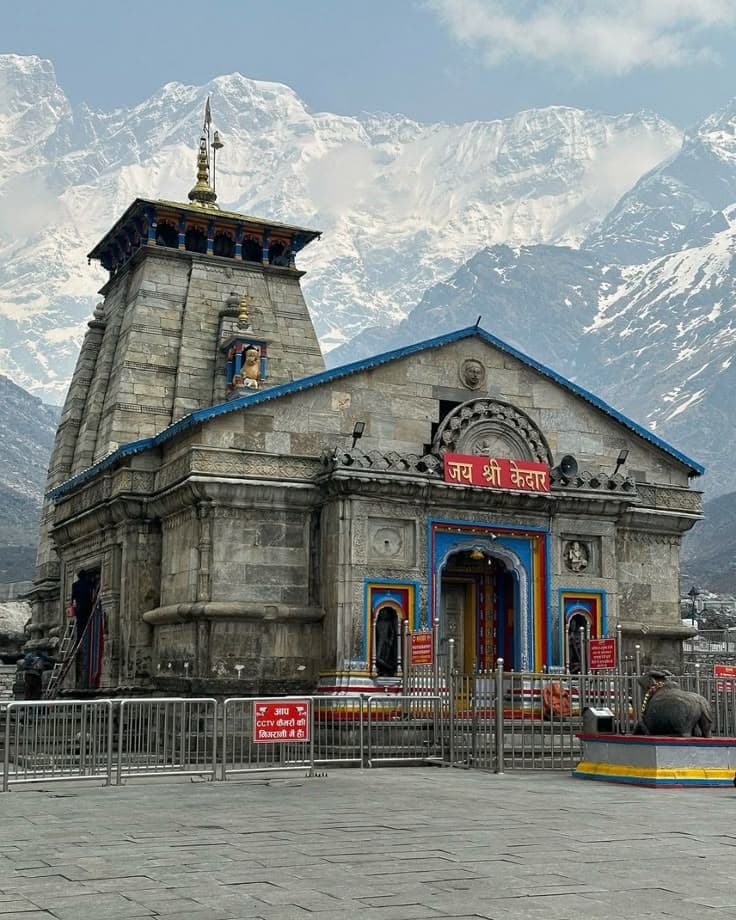
  • Kedarnath (3,583 m) — the most challenging stop, also a Jyotirlinga. The 18-21 km rebuilt trek from Sonprayag, or a 6-minute helicopter from Phata.
  • Badrinath (3,133 m) — the highest road-accessible Char Dham. The Tapt Kund hot spring at 55°C is mandatory ablution before darshan.

The 2013 floods, and what changed

On 16 June 2013 a glacial lake burst at Chorabari Tal, two kilometres above Kedarnath. A wall of water and boulders ploughed down the valley and killed over 5,700 pilgrims, mostly trapped on the trail to the shrine. The Kedarnath sanctum survived — a massive boulder, now revered as the Bhim Shila, lodged itself directly behind the temple and split the torrent. Everything else was destroyed. The trek you walk today is a wholly rebuilt route — wider, higher above the Mandakini, with weather-monitoring stations every 4 km. The state of Uttarakhand also introduced mandatory biometric registration via registrationandtouristcare.uk.gov.in: every pilgrim now scans a fingerprint at the gate, partly so that families can track loved ones in any future emergency.

How to plan: helicopter, ponies, or your own feet

Three travel modes coexist on the same trail and each is honest about itself. On foot: 8-12 days of total walking, ₹15,000 budget, and the most spiritually charged way to do it — the Yamunotri and Kedarnath trails alone are 24 km of climbing. Pony / palki / kandi (porter basket): ₹1,500 to ₹8,000 per shrine, depending on weight and pilot. The same path, different effort. Helicopter: ₹70,000 to ₹1,20,000 per person for the full circuit in 5 days, departing Dehradun. The only way for elderly pilgrims and the absolute fastest, but you miss almost everything between the helipads. Most operators wrap the package as a single payment, and slots for May-June fill within hours of opening on the IRCTC heliyatra portal.

Where the rivers really begin

The shrine at Gangotri is symbolic. The Ganga's actual physical source is the Gaumukh ('cow's mouth') glacial snout, 19 km further upstream — and that snout has been retreating roughly 20 m per year since the 1930s. Pilgrims who add the Gaumukh trek (permit-only, 150 visitors per day) come back changed. Walking on a glacier that is visibly shrinking under your feet, while devout chants of Har Har Gange echo behind you, is among the strongest collisions of climate change and tradition I've witnessed in India.

Combining with the rest of Uttarakhand

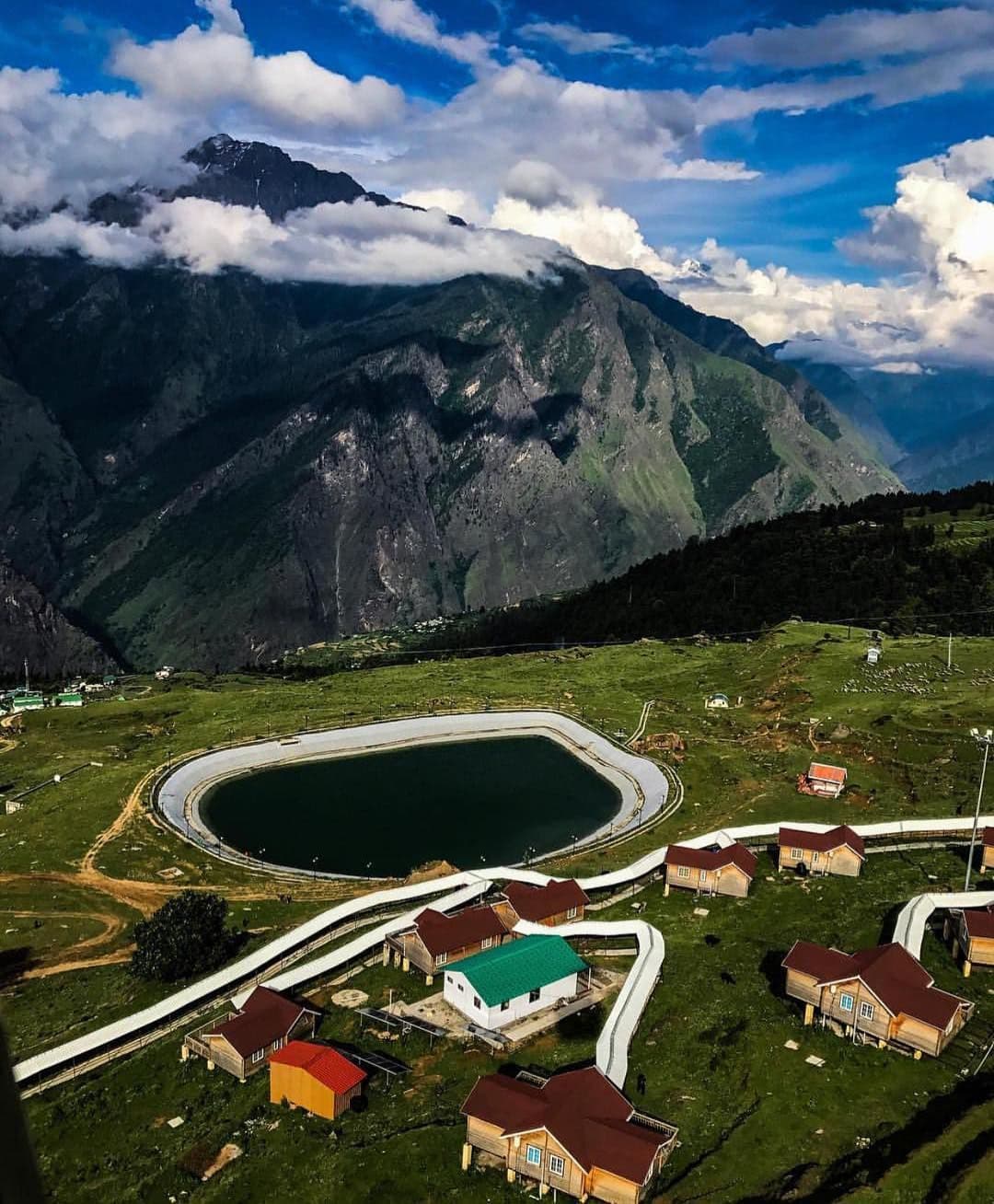
Most yatris start from Rishikesh or Haridwar — both are 2-3 hours from the trailheads and offer a pre-yatra Ganga arati, plus the chance to recover before going home. Adventurous travellers extend the route west to Auli (a skiing-and-Nanda-Devi-views side trip from Joshimath) or east to the Valley of Flowers (open July-September only). Browse all Uttarakhand destinations or our pilgrimage circuits.

Akshaya Tritiya pe kapat khulenge.
A Garhwali household saying
Share
#Pilgrimage#char-dham#himalayas#yatra#uttarakhand#ganga
YJ

About the author

YatraJunction Editorial

Our editors are travellers, historians and food lovers who have collectively visited every state of India. Every guide is fact-checked, field-tested and updated with love.

Learn about us

Frequently asked questions

When does the Chota Char Dham yatra open and close?
Temple gates open on Akshaya Tritiya (late April / early May) and close around Bhai Dooj or Diwali (early November). Yamunotri and Gangotri open earliest; Kedarnath and Badrinath usually 2-3 days later. Outside this window the deities move down to winter abodes — Yamuna to Kharsali, Ganga to Mukhwa, Kedar to Ukhimath, Badri to Joshimath's Narsingh Temple — and pilgrims visit those instead.
Do I need a medical certificate?
For Kedarnath, yes — pilgrims over 60 or with cardiac, pulmonary or diabetic conditions need a medical fitness certificate. The Sonprayag medical camp does free check-ups and dispenses Diamox for altitude sickness. AMS is the single biggest reason for evacuations on the route.
Is biometric registration really mandatory?
Yes, since 2023. Pre-register on registrationandtouristcare.uk.gov.in 7-30 days before your visit. Gate scans use fingerprint matching; turning up unregistered means a slow on-the-spot enrolment that can cost you a darshan slot. Foreign nationals also pre-register; they need a passport at the gate.
How is the Chota Char Dham different from the all-India Char Dham?
Different circuits, often confused. The all-India Char Dham (Adi Shankaracharya, 8th century) is Badrinath, Dwarka, Puri and Rameswaram — one in each cardinal direction. The Chota Char Dham is regional, all in Uttarakhand. Many pilgrims do both as a lifelong project; Badrinath is the only stop common to both circuits.
The Journal

Continue exploring India

Sunrise on Dashashwamedh Ghat, Varanasi
Uttar Pradesh
The Seven Sacred Ghats of Varanasi: Where Life and Death Dance Together
Hawa Mahal’s honeycomb façade in Jaipur
Rajasthan
Jaipur: The Living Museum of Rajputana Royalty
Traditional kettuvallam on the Alleppey backwaters
Kerala
Kerala’s Backwaters: Sailing Through God’s Own Country
A crowd covered in pink and yellow powder at Banke Bihari temple, Vrindavan
Uttar Pradesh
Holi in Mathura: Where Krishna’s Colour Still Lingers
The white salt flats of Rann of Kutch under a full moon
Gujarat
Rann of Kutch: Salt, Stars and Nomadic Souls
Thiksey Monastery glowing at sunrise in Ladakh
Ladakh
Himalayan Monasteries: Whispers from the Roof of the World
Portuguese-era church in Old Goa at golden hour
Goa
Goa Beyond the Beaches: Heritage, Feni and Fish Curry Rice
The Golden Temple reflecting in the Amrit Sarovar at night
Punjab
Amritsar’s Golden Temple: Langar, Faith and the World’s Largest Free Kitchen
Stone chariot at the Vittala Temple complex, Hampi
Karnataka
Hampi: Walking Through the Ruins of the Last Great Hindu Empire
The Darjeeling Himalayan Railway toy train rounding a curve with Kanchenjunga in the background
West Bengal
Darjeeling: Tea, the Toy Train and the Himalayan Dawn
Ram Jhula suspension bridge over the Ganga at sunset, Rishikesh
Uttarakhand
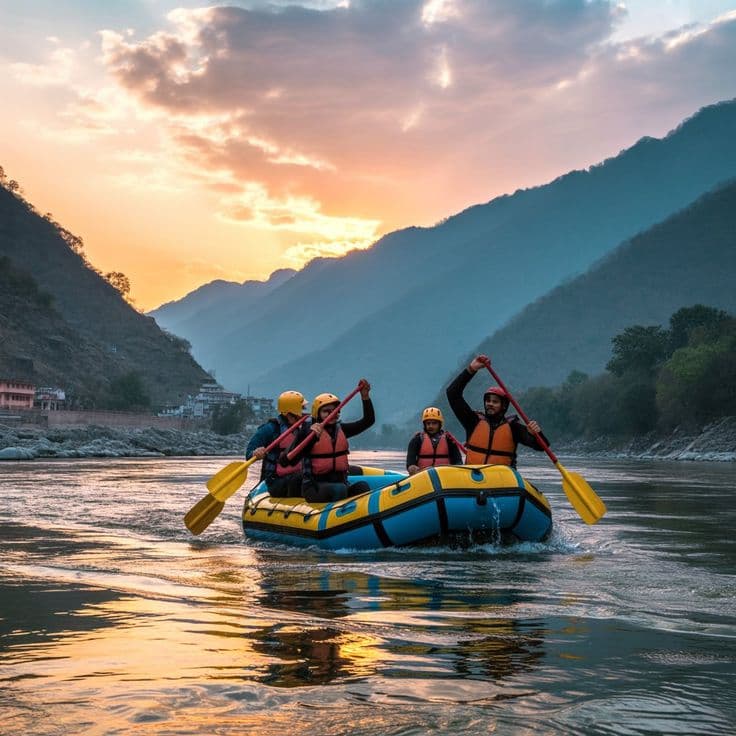
Rishikesh: Yoga at Sunrise, White Water by Noon
Bengal tiger walking through the ruins of Ranthambore Fort
Rajasthan
The Tigers of Ranthambore: Tracking Jungle Kings in a Mughal Fort
The grand Kailasa Temple carved from a single rock at Ellora
Maharashtra
Ajanta & Ellora: The Cave Art That Predates the Renaissance by a Millennium
The rainbow gopurams of Meenakshi Temple rising above Madurai at dusk
Tamil Nadu
Madurai’s Meenakshi Temple: 33,000 Sculptures and 2,500 Years of Dravidian Devotion
Red sandstone ramparts of Agra Fort at sunrise
Uttar Pradesh
Agra Fort: The Red Sandstone Throne Where Shah Jahan Lost an Empire
Chinese fishing nets at sunset in Fort Kochi
Kerala
Fort Kochi: Where Four Empires Came for Pepper and Left Their Churches
Snow-capped Pir Panjal range above Manali village
Himachal Pradesh
Manali: The Himalayan Valley of Apples, Adventures and Old Gods
City Palace and Lake Pichola reflected at dusk, Udaipur
Rajasthan
Udaipur: The Mewar City of Lakes, Where Rajput Kings Built on Water
Stone wheel of the Konark Sun Temple chariot
Odisha
Konark Sun Temple: The Stone Chariot That Rises From The Bay of Bengal
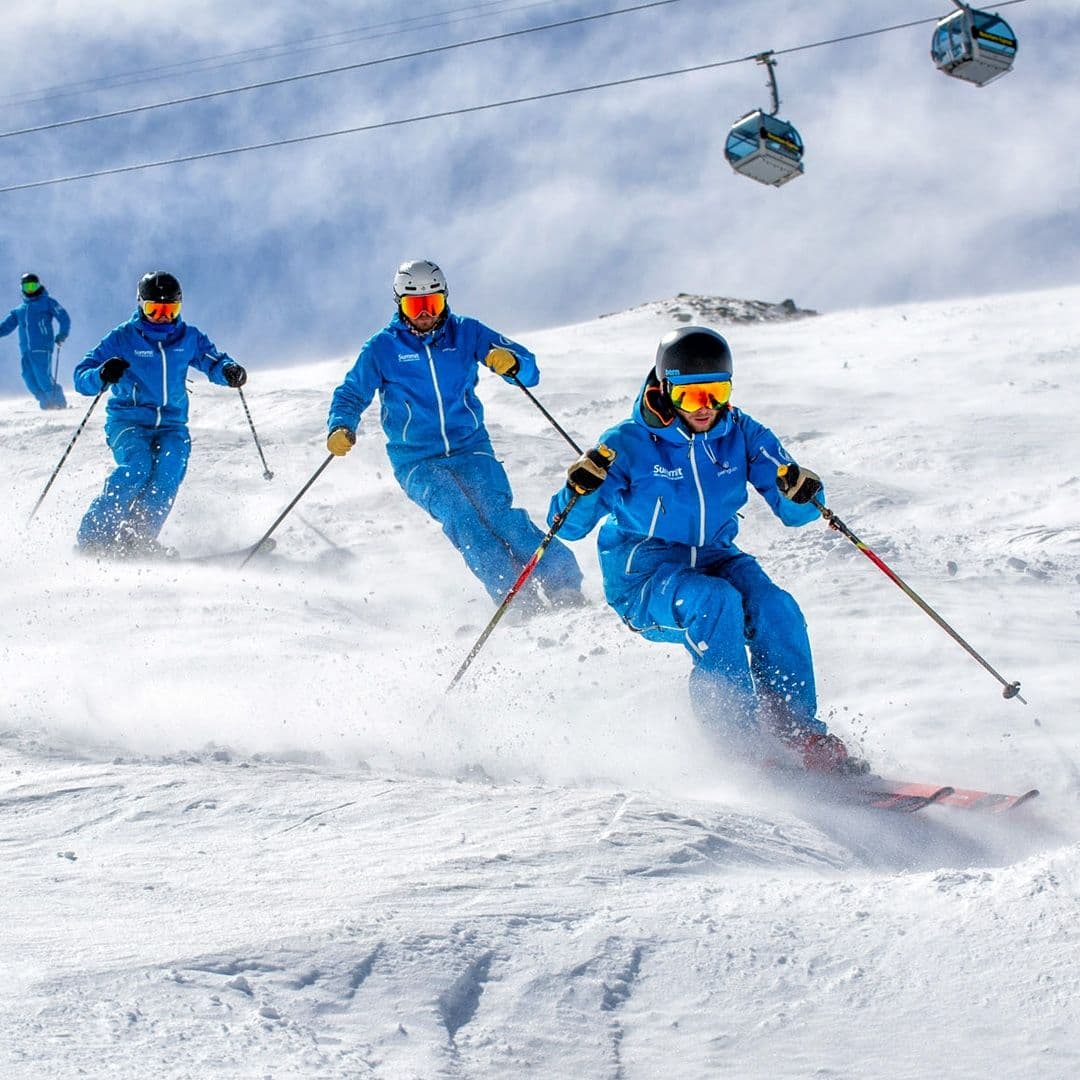
Skier on the Auli slopes with Nanda Devi in the distance
Uttarakhand
Auli: India's Only Serious Ski Slope, At The Foot of Nanda Devi
Mist-shrouded coffee estate in Coorg, Western Ghats
Karnataka
Coorg: Inside Karnataka's Coffee Country and the Last Warrior Clan
Mangrove waterways of the Sundarbans delta
West Bengal
Sundarbans: Where Tigers Swim and the World's Largest Delta Breathes
The Sri Venkateswara Temple at Tirumala at dawn
Andhra Pradesh
Tirupati: The World's Richest Temple and the 30 Million Pilgrims Who Climb to Its Gates
The Mahabodhi Temple and Bodhi Tree in Bodh Gaya
Bihar
Bodh Gaya: Where the Buddha Sat Under a Tree and Changed the World
Double-decker living root bridge in Nongriat, Meghalaya
Meghalaya
Cherrapunji: The Wettest Place on Earth and Its Living Root Bridges
Kanchenjunga massif from Gangtok ridge at sunrise
Sikkim
Sikkim: Gangtok, Tsomgo Lake and the Shadow of Kanchenjunga
Charminar illuminated at dusk with Laad Bazaar in the foreground
Telangana
Hyderabad's Charminar: 434 Years Under Four Minarets
Tawang Monastery prayer hall at dawn
Arunachal Pradesh
Tawang Monastery: India's Last Tibetan Buddhist Kingdom
Yellow French colonial building in Pondicherry White Town
Puducherry
Pondicherry: The French Quarter, Auroville and the Slow South
Naga warrior dancing in traditional dress at Hornbill Festival
Nagaland
Kohima's Hornbill Festival: Ten Days With 17 Naga Tribes
Jaisalmer Fort glowing amber at sunset against the Thar Desert sky
Rajasthan
Jaisalmer: The Golden Fort That Still Breathes in the Thar Desert
Hairpin road winding through the cold desert of Spiti Valley with snow-capped peaks
Himachal Pradesh
Spiti Valley Road Trip: Driving on the Moon at 13,000 Feet
Shikara at sunrise on Dal Lake, Srinagar
Jammu and Kashmir
Kashmir by Shikara: Drifting Through the Paradise Emperors Could Not Buy
Carved stone temples of Khajuraho at sunset
Madhya Pradesh
Khajuraho: A Thousand Years of Stone That Still Whispers
Vaishnavite sattra dancer in Majuli, Assam
Assam
Majuli: The World's Largest River Island Is Writing Its Own Elegy
Havelock Island sunrise, Andaman and Nicobar
Andaman and Nicobar
The Andamans: From Kala Pani Prison to Coral Turquoise in Four Days
Sunrise at Kanyakumari's tri-sea confluence
Tamil Nadu
Kanyakumari: Where Three Seas Become One Horizon
The brick stupa of Sariputra at the Nalanda Mahavihara ruins
Bihar
Nalanda: The University That Taught the World, Then Was Burned for Three Months
The hanging pillar at Veerabhadra Temple, Lepakshi
Andhra Pradesh
Lepakshi: The 16th-Century Temple With a Pillar That Doesn't Touch the Ground
Prehistoric rock paintings at Bhimbetka, Madhya Pradesh
Madhya Pradesh
Bhimbetka: India's Oldest Art Gallery, Painted 30,000 Years Before the Taj
Omkareshwar Jyotirlinga on Mandhata island in the Narmada
Madhya Pradesh
The Twelve Jyotirlingas: India's Pillars of Light
Dhamek Stupa at Sarnath, where the Buddha gave his first sermon
Uttar Pradesh
Walking the Buddha's Footsteps: India's Buddhist Heritage Circuit
Chamundeshwari Temple atop the Chamundi Hills, Mysore
Multiple
Ashtadasha Shakti Peetha: The Eighteen Abodes of the Goddess
Kalighat Temple in Kolkata, the Shakti Peetha that gave Calcutta its name
West Bengal
The Bengali Shakta Trail: Kalighat, Tarapith and the Goddess of the East

Ready for the road?

Turn this story into a yatra

Every place, temple, ghat and trail mentioned in this post lives on this site with timings, tips, transport and stays. Pick one up and start building your own journey across India.