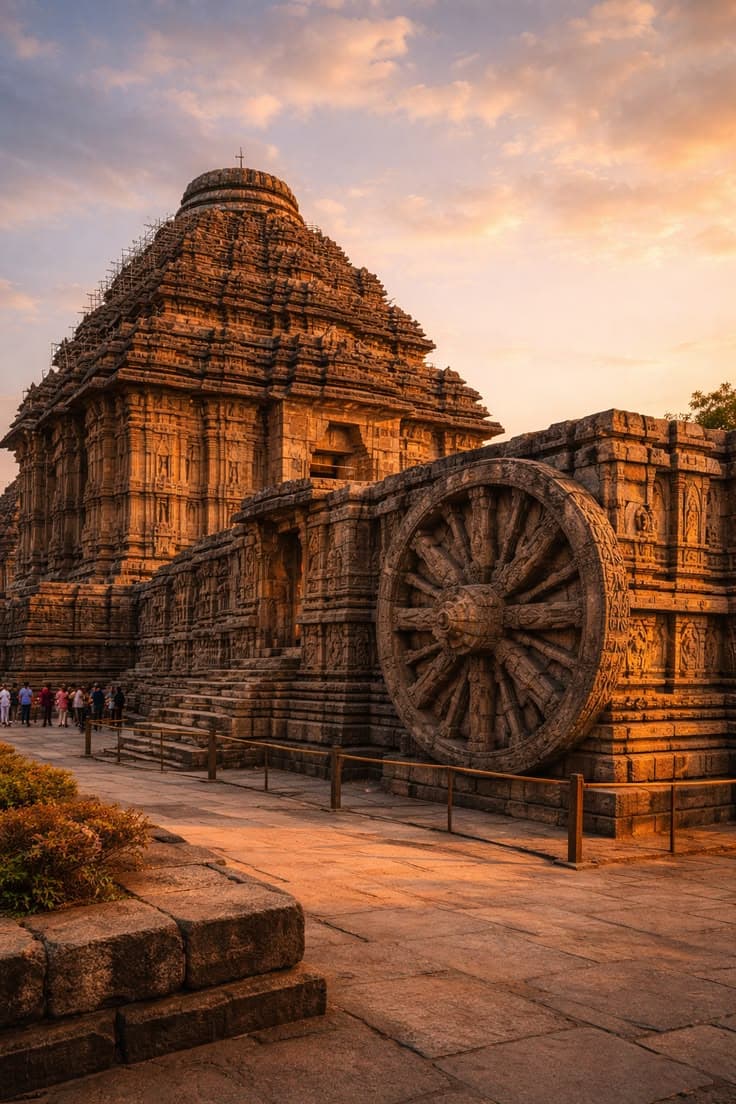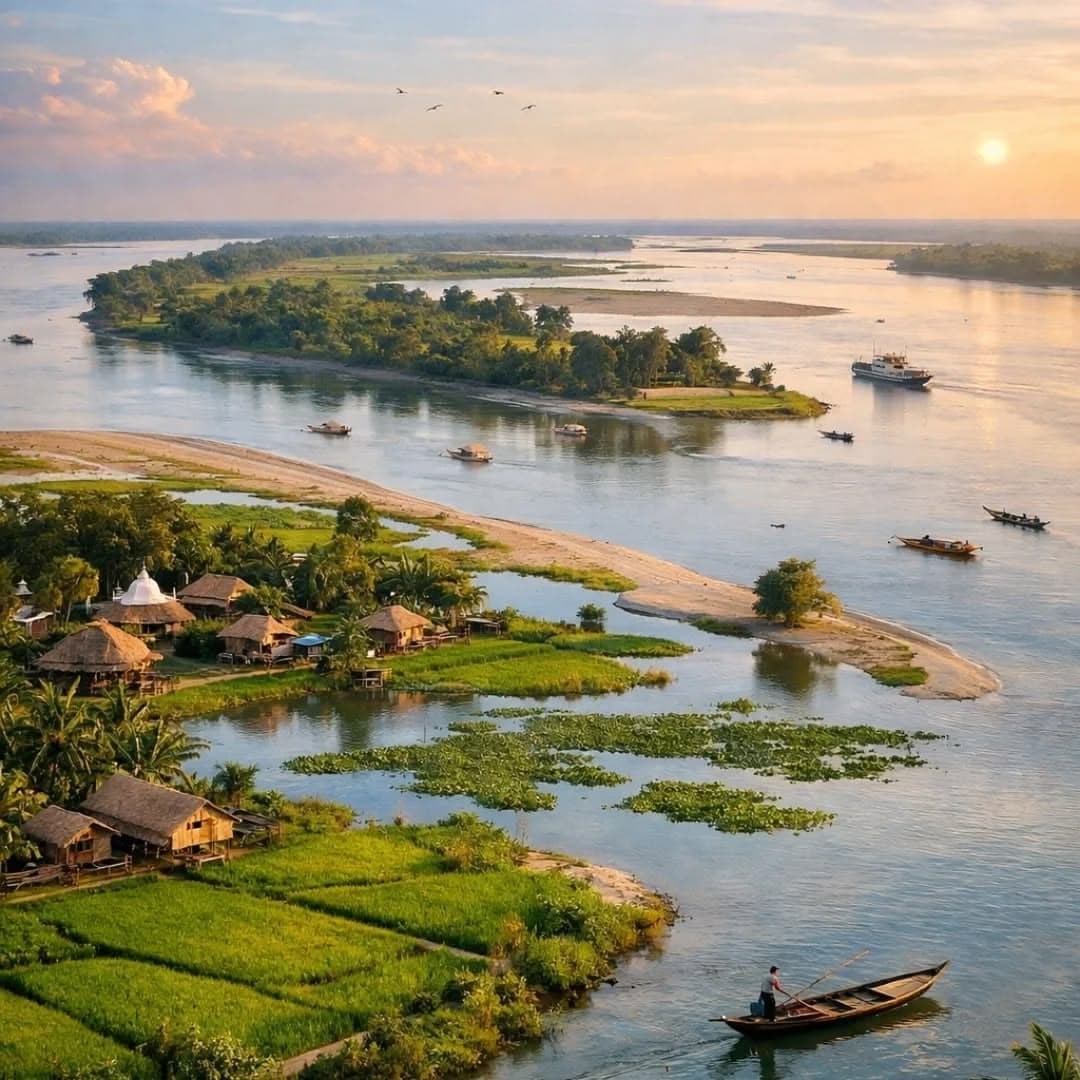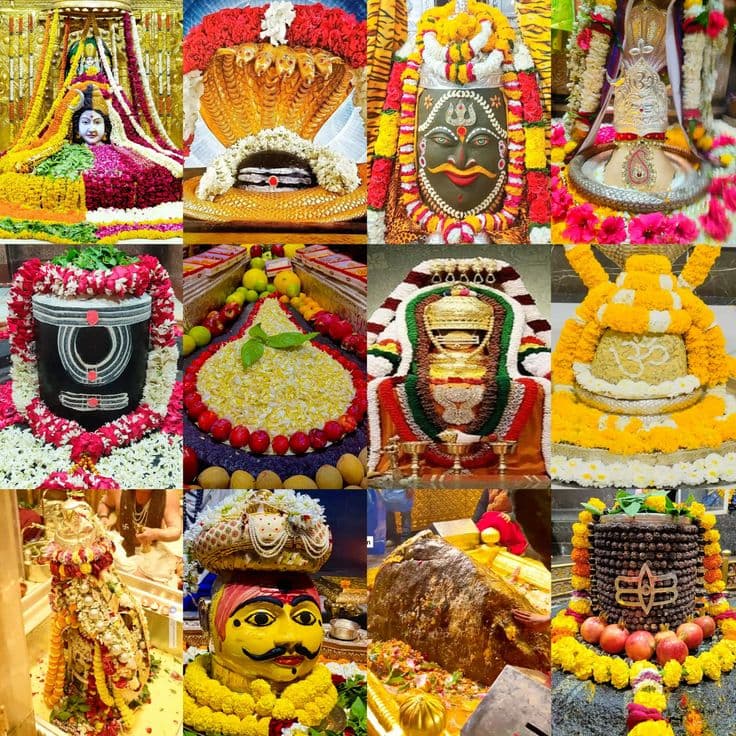
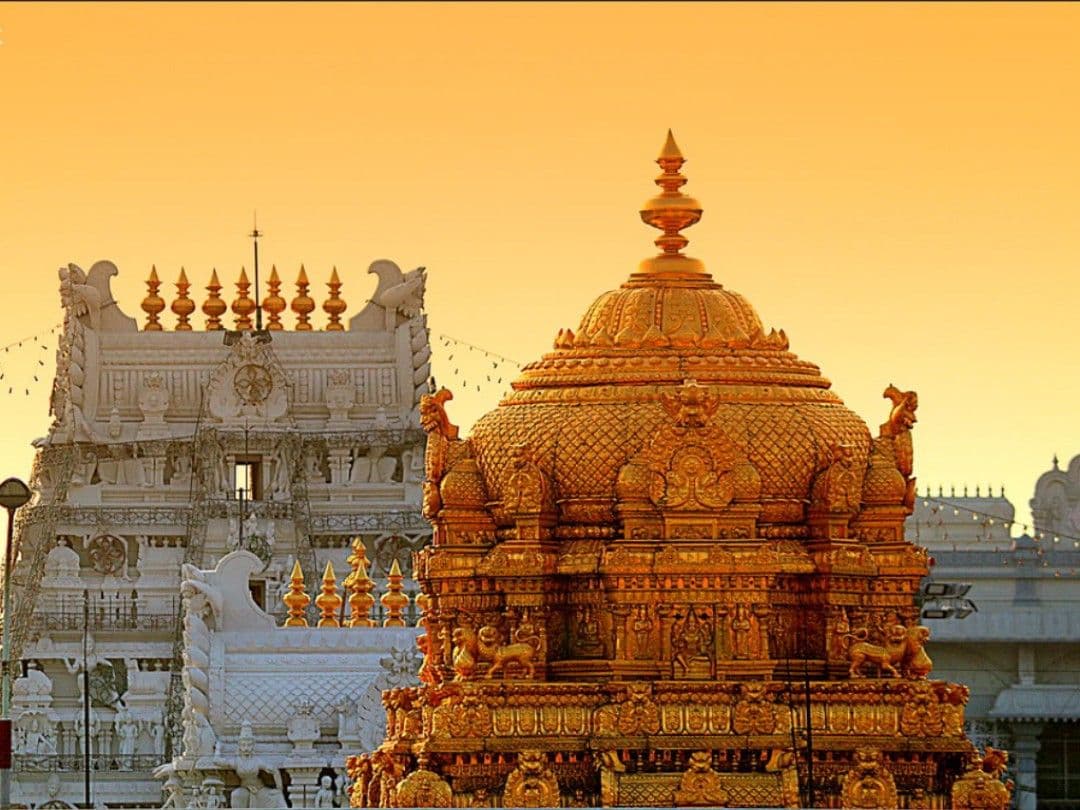
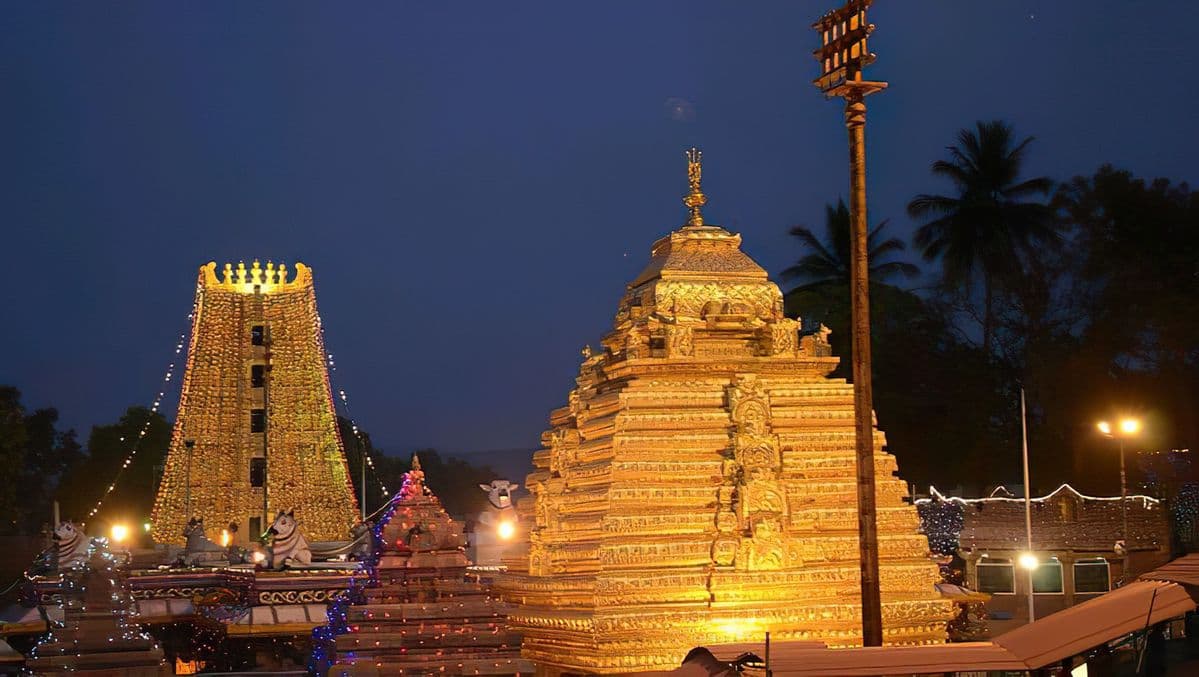
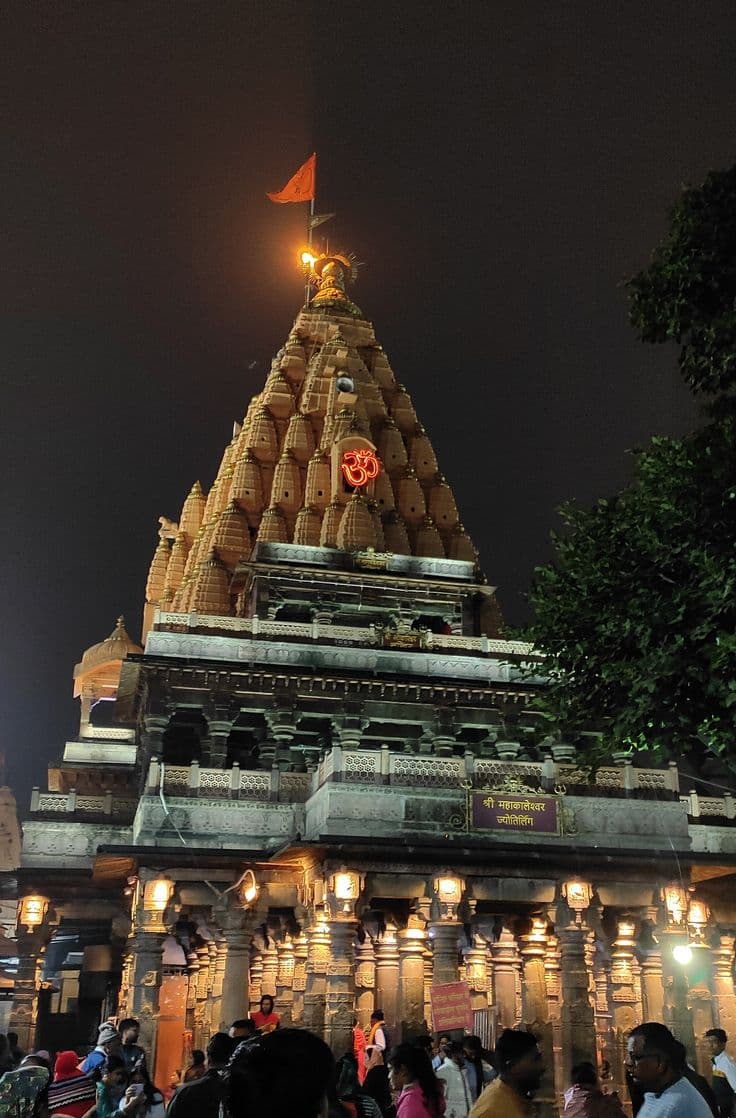
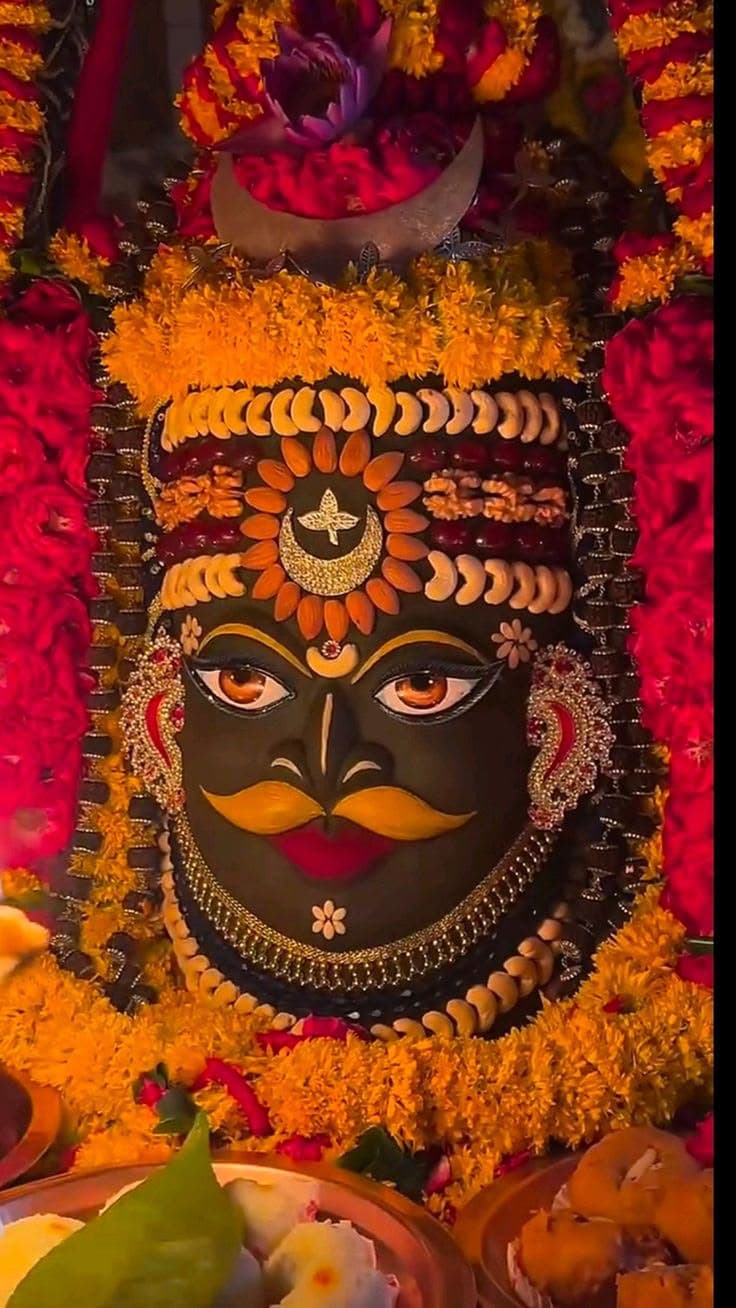
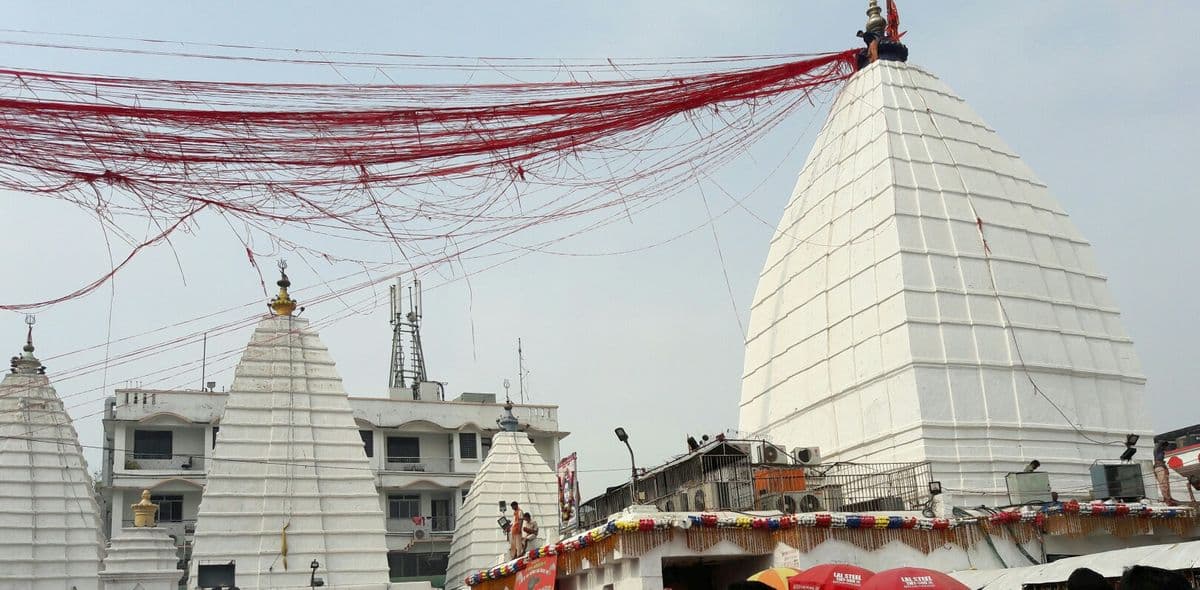
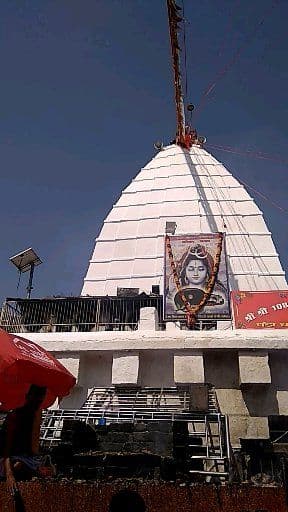
Omkareshwar Jyotirlinga on Mandhata island in the Narmada

The Twelve Jyotirlingas: India's Pillars of Light

Twelve sites where Shiva manifested as a column of light — from the Arabian Sea to the Bay of Bengal, from the Himalayas to the southern tip. A 21-day journey through the highest yatra in the Shaiva tradition.

YJ
YatraJunction Editorial
14 min read602 words

There is a hymn in the Shiva Purana called the Dwadasha Jyotirlinga Stotra — twelve verses, attributed to Adi Shankaracharya, that name the twelve sites where Shiva is said to have manifested as a column of light. Pilgrims memorise it as schoolchildren and recite it on Maha Shivaratri. To complete a yatra to all twelve is the highest journey in the Shaiva tradition — a circuit that crosses eight states, climbs to 3,583 metres at Kedarnath, and finishes at the very southern tip of India where Rama is said to have built a Shivalinga of sand before crossing to Lanka.

The canonical twelve

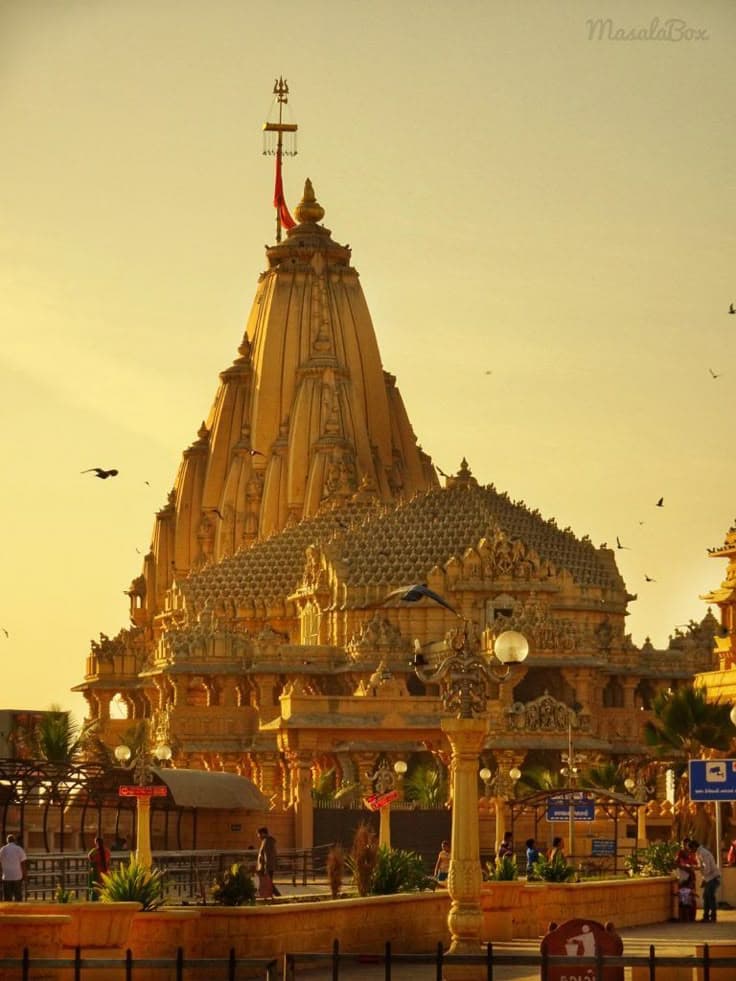
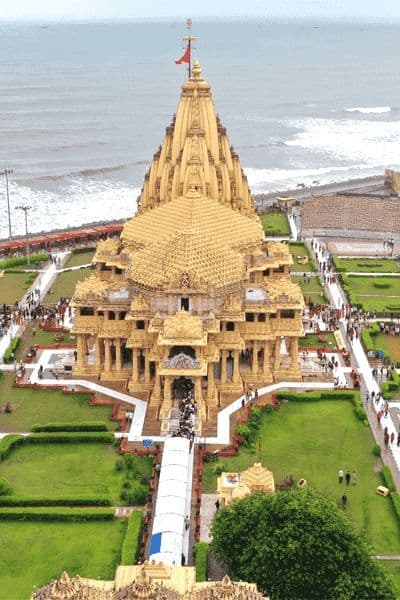
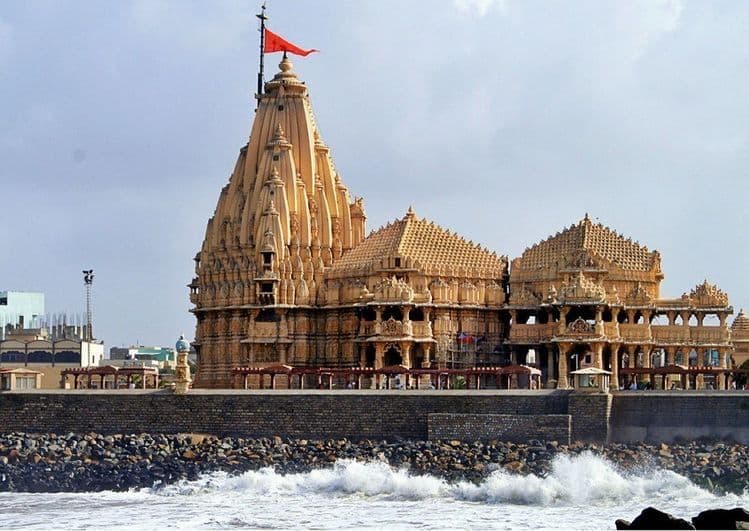
  • Somnath, Gujarat — the first; destroyed six times since 1024 CE, rebuilt seven.
  • Mallikarjuna at Srisailam, Andhra Pradesh — the only site that is also a Shakti Peetha.
  • Mahakaleshwar at Ujjain, Madhya Pradesh — the only south-facing Jyotirlinga; the 4 a.m. Bhasma Aarti anoints the linga with cremation ash.
  • Omkareshwar, Madhya Pradesh — on Mandhata island, the island itself shaped like the syllable Om.
  • Baidyanath, Jharkhand — the 'physician of the gods'; pilgrims walk 108 km barefoot from Sultanganj during Shravani Mela.
  • Bhimashankar, Maharashtra — set inside a wildlife sanctuary protecting the giant Indian squirrel.
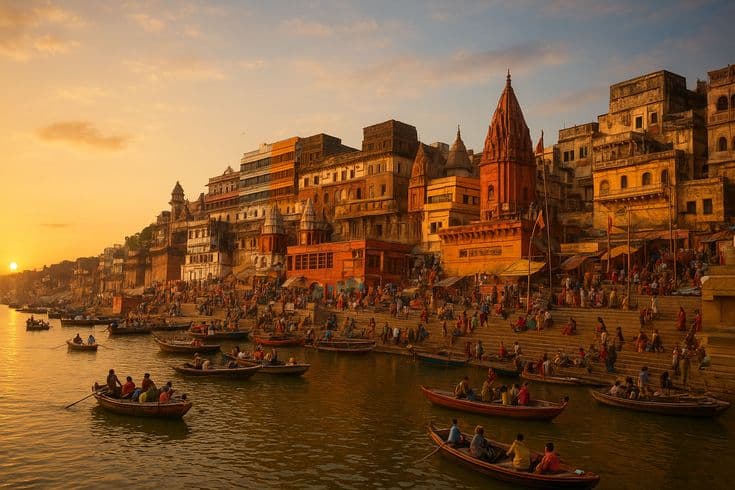
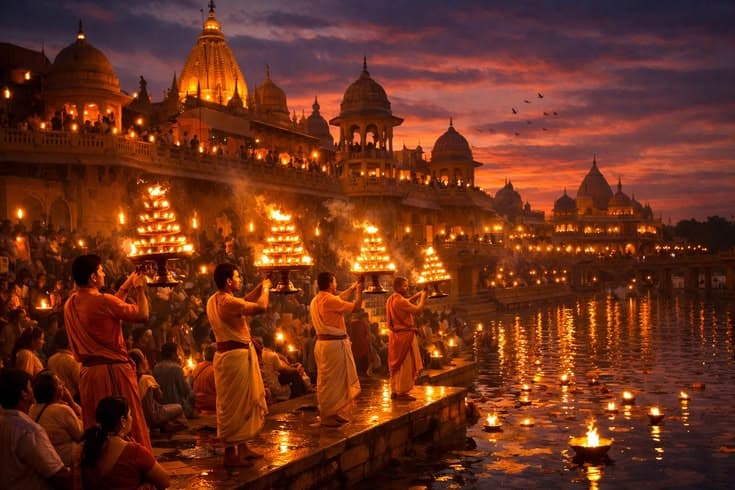
  • Kashi Vishwanath, Uttar Pradesh — the supreme Jyotirlinga; moksha to anyone who dies in Kashi.
  • Trimbakeshwar, Maharashtra — source of the Godavari; the only three-faced linga.
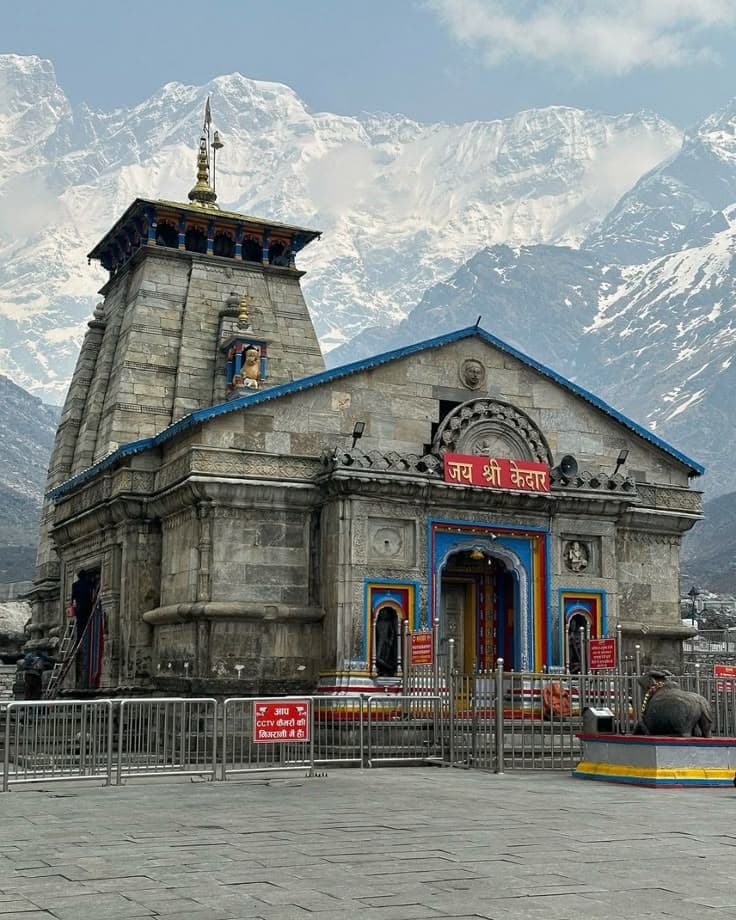
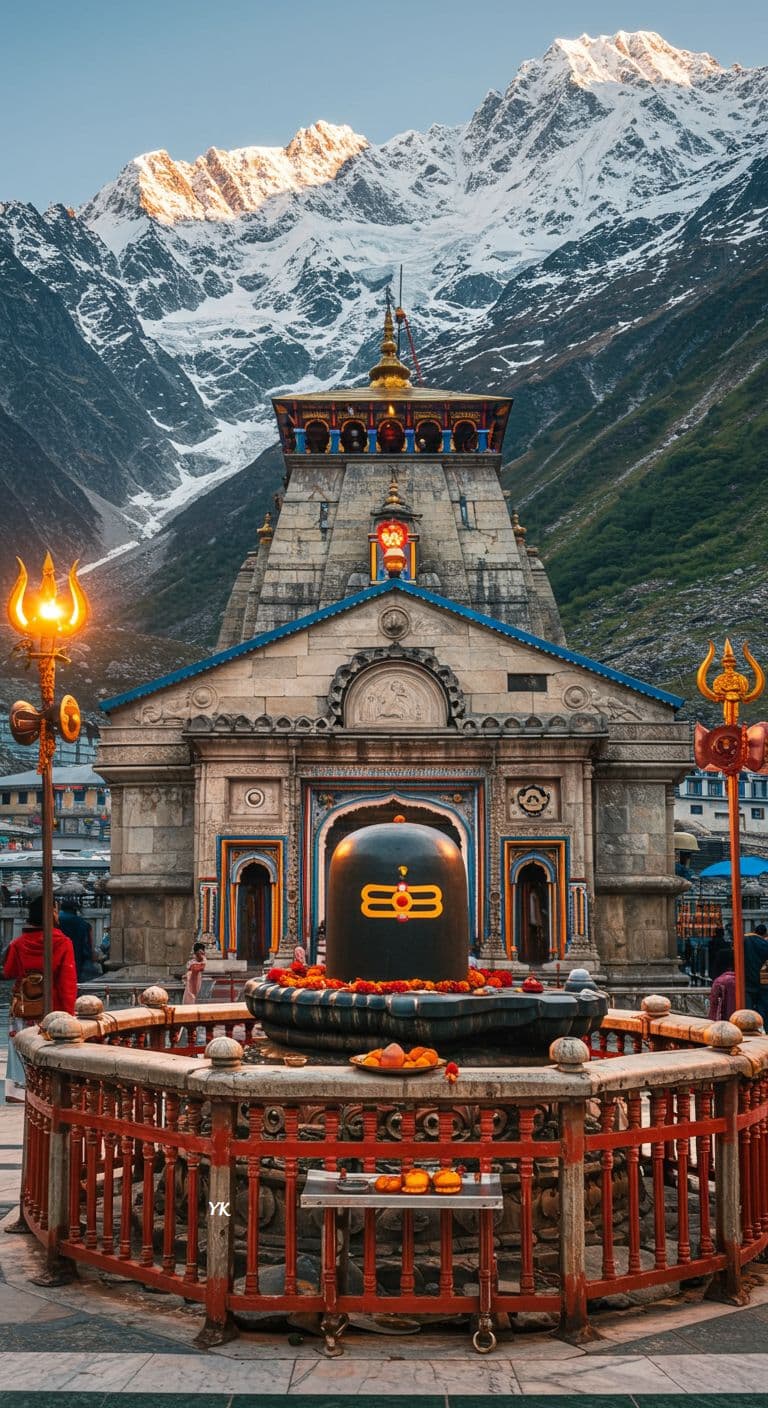
  • Kedarnath, Uttarakhand — the Himalayan dhām, open May-October only.
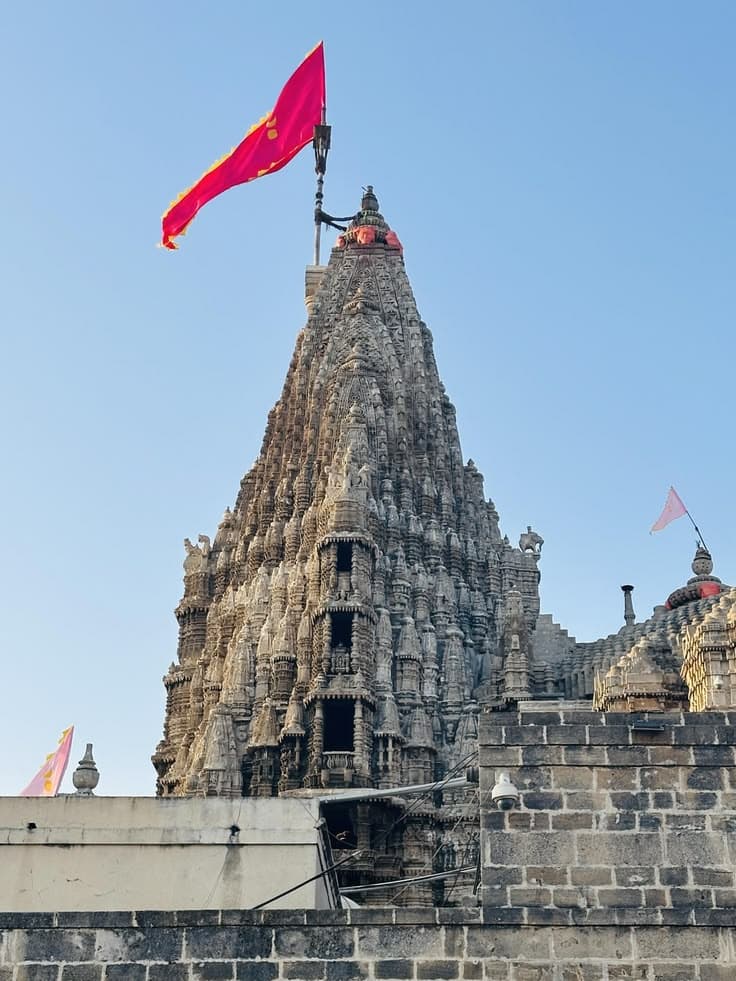
  • Nageshwar, Gujarat — 17 km from Dwarka, beneath a 25-m statue of Shiva.
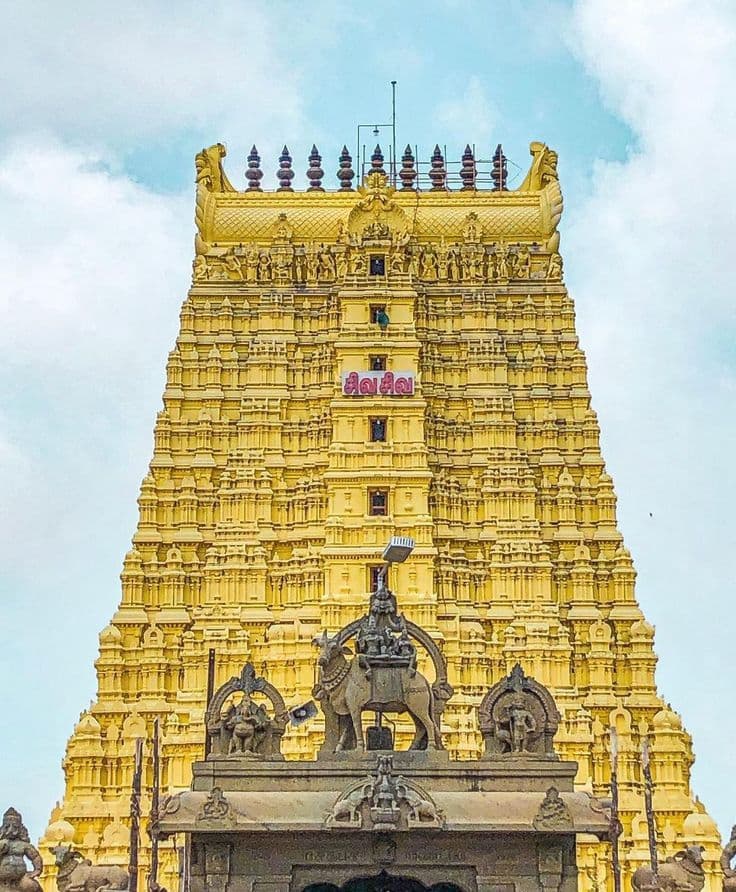
  • Ramanathaswamy at Rameswaram, Tamil Nadu — where Rama worshipped Shiva before crossing to Lanka.
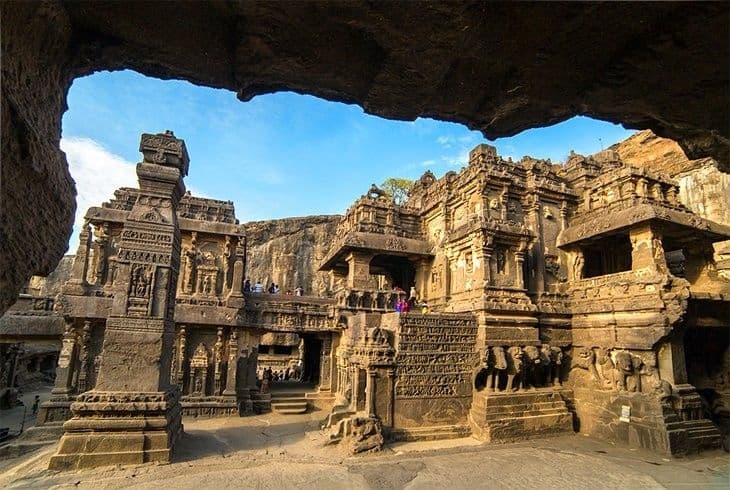
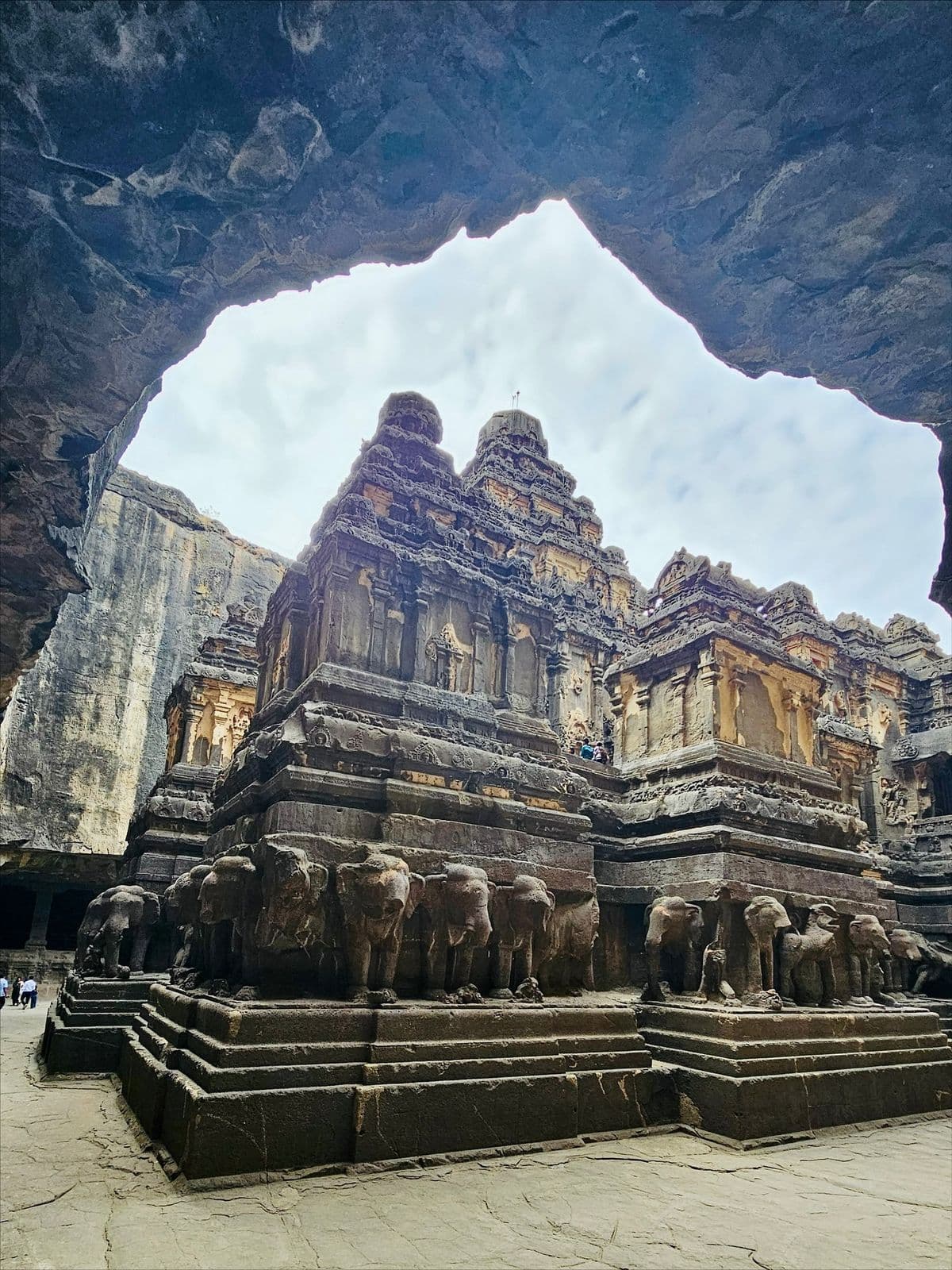
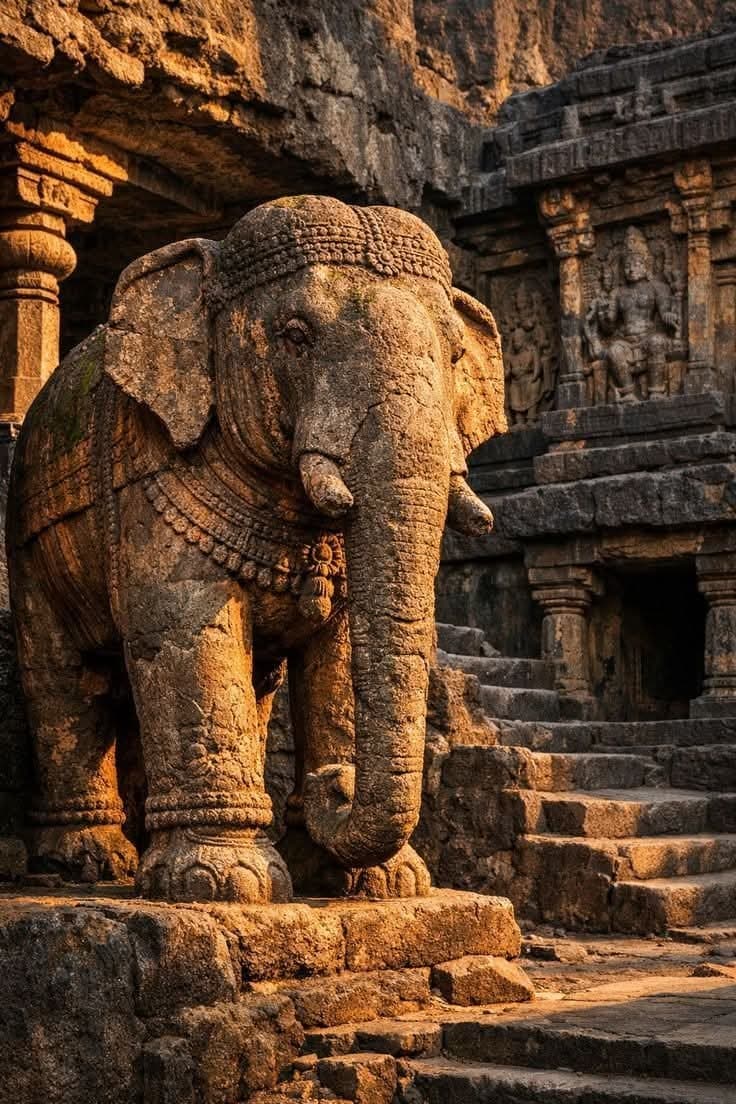
  • Grishneshwar at Ellora, Maharashtra — the smallest and last; right beside the Kailasa rock-cut temple.

Three new entries you might not know

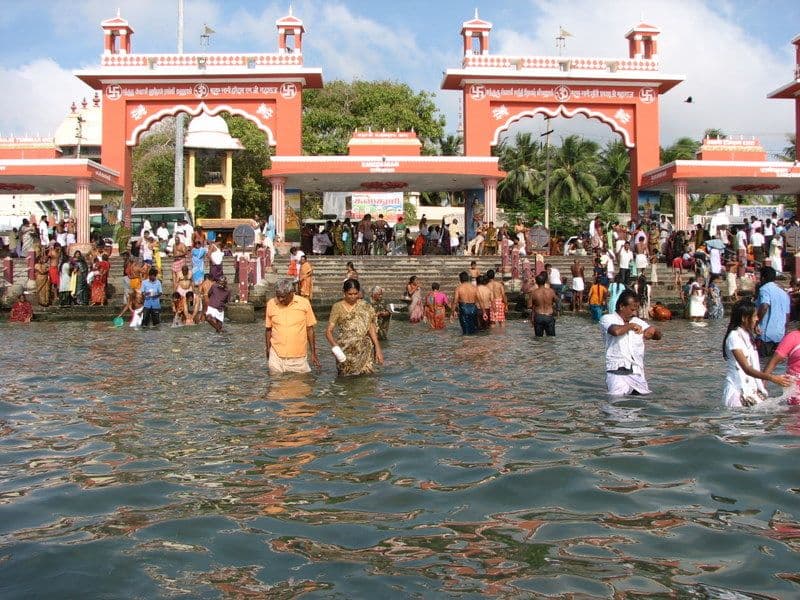
If you've grown up with Hindi household discussion of the Jyotirlingas, you'll know Somnath, Mahakaleshwar, Kashi and Kedarnath by heart. The three less-known stops, all in central India, deserve their own paragraph. Omkareshwar sits on a small island where the Kaveri tributary meets the Narmada. The 7 km island parikrama, best done at dawn, takes you past the 24 Avatars temples, the Adi Shankara cave (where the saint met his guru), and the new 108-foot Statue of Oneness unveiled in 2023. Bhimashankar is a 4-hour drive from Pune through Sahyadri evergreen forest — pilgrims and birdwatchers share the same trail, scanning the canopy for the giant Indian squirrel (Maharashtra's state animal). Trimbakeshwar is the source of the Godavari — every 12 years, the Simhastha Kumbh Mela brings 10-20 million pilgrims to bathe at the river's headwaters; the next is in 2027.

Three regional sub-circuits

Twenty-one days is too long for most working pilgrims. Three sub-circuits compress the canonical twelve into manageable chunks: the South (Mallikarjuna and Rameswaram, ~7 days), the West-Central (Somnath, Nageshwar, Mahakaleshwar, Omkareshwar, Trimbakeshwar, Bhimashankar and Grishneshwar — seven of the twelve in 12 days), and the North-East (Kashi Vishwanath, Baidyanath, Kedarnath, ~10 days). IRCTC's Bharat Gaurav Jyotirlinga Yatra trains run rail packages from ₹50,000 per person covering each sub-circuit. The Mahakaleshwar Bhasma Aarti, in particular, must be booked 30 days ahead — only 200 slots/day, and they fill within hours.

Two paired Devi shrines you'll meet on the way

Two of the twelve Jyotirlingas share their compound with a Shakti PeethaSrisailam (with Bhramaramba Devi) and Ujjain (with Harsiddhi Mata). Visiting these counts as a double pilgrimage in the Smarta tradition — Shiva and Shakti at one address. Plan an extra day at each so you have time for both shrines and the supporting rituals (Mahakaleshwar's Bhasma Aarti, Srisailam's pre-dawn Mukha Darshan).

Lingam achalam, jnanam achalam — the linga does not move; knowledge does not move.
Shaiva aphorism
Share
#Pilgrimage#jyotirlinga#shiva#yatra#shaiva#ashtadasha
YJ

About the author

YatraJunction Editorial

Our editors are travellers, historians and food lovers who have collectively visited every state of India. Every guide is fact-checked, field-tested and updated with love.

Learn about us

Frequently asked questions

Is there a single 'right' order to do the twelve?
The Stotra order (Somnath first, Grishneshwar last) is canonical but few modern pilgrims follow it strictly because it makes no geographic sense. Most operators sequence by sub-circuit. What matters is that the sankalpa (intention) is declared at the start and the same set of sacred clothing is carried through the entire yatra.
Can foreigners enter all twelve sanctums?
Eleven, yes. Mahakaleshwar restricts non-Hindus from the inner Garbhagriha but welcomes them to the courtyard for darshan. Trimbakeshwar formally restricts non-Hindus from the inner sanctum but enforcement is inconsistent. The other ten are open to all — modest dress required at every site.
What is the Bhasma Aarti at Mahakaleshwar?
A 4 a.m. ritual in which the Mahakaleshwar linga is anointed with cremation ash — a practice unique to this Jyotirlinga and a direct reminder that Shiva is the lord of cremation grounds. Only 200 entry slots per day; book on shrimahakaleshwar.com 30 days ahead. Men must wear dhoti, women saree — no stitched garments.
Which Jyotirlinga is the easiest to combine with non-pilgrimage travel?
{{strong|Grishneshwar}} — sits 1 km from the {{link|/place/ellora-caves|Ellora caves}}, so the same morning that you visit the smallest Jyotirlinga also gives you the rock-cut Kailasa temple, one of India's greatest non-pilgrimage monuments. Aurangabad / Daulatabad are nearby for further heritage stops.
The Journal

Continue exploring India

Sunrise on Dashashwamedh Ghat, Varanasi
Uttar Pradesh
The Seven Sacred Ghats of Varanasi: Where Life and Death Dance Together
Hawa Mahal’s honeycomb façade in Jaipur
Rajasthan
Jaipur: The Living Museum of Rajputana Royalty
Traditional kettuvallam on the Alleppey backwaters
Kerala
Kerala’s Backwaters: Sailing Through God’s Own Country
A crowd covered in pink and yellow powder at Banke Bihari temple, Vrindavan
Uttar Pradesh
Holi in Mathura: Where Krishna’s Colour Still Lingers
The white salt flats of Rann of Kutch under a full moon
Gujarat
Rann of Kutch: Salt, Stars and Nomadic Souls
Thiksey Monastery glowing at sunrise in Ladakh
Ladakh
Himalayan Monasteries: Whispers from the Roof of the World
Portuguese-era church in Old Goa at golden hour
Goa
Goa Beyond the Beaches: Heritage, Feni and Fish Curry Rice
The Golden Temple reflecting in the Amrit Sarovar at night
Punjab
Amritsar’s Golden Temple: Langar, Faith and the World’s Largest Free Kitchen
Stone chariot at the Vittala Temple complex, Hampi
Karnataka
Hampi: Walking Through the Ruins of the Last Great Hindu Empire
The Darjeeling Himalayan Railway toy train rounding a curve with Kanchenjunga in the background
West Bengal
Darjeeling: Tea, the Toy Train and the Himalayan Dawn
Ram Jhula suspension bridge over the Ganga at sunset, Rishikesh
Uttarakhand
Rishikesh: Yoga at Sunrise, White Water by Noon
Bengal tiger walking through the ruins of Ranthambore Fort
Rajasthan
The Tigers of Ranthambore: Tracking Jungle Kings in a Mughal Fort
The grand Kailasa Temple carved from a single rock at Ellora
Maharashtra
Ajanta & Ellora: The Cave Art That Predates the Renaissance by a Millennium
The rainbow gopurams of Meenakshi Temple rising above Madurai at dusk
Tamil Nadu
Madurai’s Meenakshi Temple: 33,000 Sculptures and 2,500 Years of Dravidian Devotion
Red sandstone ramparts of Agra Fort at sunrise
Uttar Pradesh
Agra Fort: The Red Sandstone Throne Where Shah Jahan Lost an Empire
Chinese fishing nets at sunset in Fort Kochi
Kerala
Fort Kochi: Where Four Empires Came for Pepper and Left Their Churches
Snow-capped Pir Panjal range above Manali village
Himachal Pradesh
Manali: The Himalayan Valley of Apples, Adventures and Old Gods
City Palace and Lake Pichola reflected at dusk, Udaipur
Rajasthan
Udaipur: The Mewar City of Lakes, Where Rajput Kings Built on Water
Stone wheel of the Konark Sun Temple chariot
Odisha
Konark Sun Temple: The Stone Chariot That Rises From The Bay of Bengal
Skier on the Auli slopes with Nanda Devi in the distance
Uttarakhand
Auli: India's Only Serious Ski Slope, At The Foot of Nanda Devi
Mist-shrouded coffee estate in Coorg, Western Ghats
Karnataka
Coorg: Inside Karnataka's Coffee Country and the Last Warrior Clan
Mangrove waterways of the Sundarbans delta
West Bengal
Sundarbans: Where Tigers Swim and the World's Largest Delta Breathes
The Sri Venkateswara Temple at Tirumala at dawn
Andhra Pradesh
Tirupati: The World's Richest Temple and the 30 Million Pilgrims Who Climb to Its Gates
The Mahabodhi Temple and Bodhi Tree in Bodh Gaya
Bihar
Bodh Gaya: Where the Buddha Sat Under a Tree and Changed the World
Double-decker living root bridge in Nongriat, Meghalaya
Meghalaya
Cherrapunji: The Wettest Place on Earth and Its Living Root Bridges
Kanchenjunga massif from Gangtok ridge at sunrise
Sikkim
Sikkim: Gangtok, Tsomgo Lake and the Shadow of Kanchenjunga
Charminar illuminated at dusk with Laad Bazaar in the foreground
Telangana
Hyderabad's Charminar: 434 Years Under Four Minarets
Tawang Monastery prayer hall at dawn
Arunachal Pradesh
Tawang Monastery: India's Last Tibetan Buddhist Kingdom
Yellow French colonial building in Pondicherry White Town
Puducherry
Pondicherry: The French Quarter, Auroville and the Slow South
Naga warrior dancing in traditional dress at Hornbill Festival
Nagaland
Kohima's Hornbill Festival: Ten Days With 17 Naga Tribes
Jaisalmer Fort glowing amber at sunset against the Thar Desert sky
Rajasthan
Jaisalmer: The Golden Fort That Still Breathes in the Thar Desert
Hairpin road winding through the cold desert of Spiti Valley with snow-capped peaks
Himachal Pradesh
Spiti Valley Road Trip: Driving on the Moon at 13,000 Feet
Shikara at sunrise on Dal Lake, Srinagar
Jammu and Kashmir
Kashmir by Shikara: Drifting Through the Paradise Emperors Could Not Buy
Carved stone temples of Khajuraho at sunset
Madhya Pradesh
Khajuraho: A Thousand Years of Stone That Still Whispers
Vaishnavite sattra dancer in Majuli, Assam
Assam
Majuli: The World's Largest River Island Is Writing Its Own Elegy
Havelock Island sunrise, Andaman and Nicobar
Andaman and Nicobar
The Andamans: From Kala Pani Prison to Coral Turquoise in Four Days
Sunrise at Kanyakumari's tri-sea confluence
Tamil Nadu
Kanyakumari: Where Three Seas Become One Horizon
The brick stupa of Sariputra at the Nalanda Mahavihara ruins
Bihar
Nalanda: The University That Taught the World, Then Was Burned for Three Months
The hanging pillar at Veerabhadra Temple, Lepakshi
Andhra Pradesh
Lepakshi: The 16th-Century Temple With a Pillar That Doesn't Touch the Ground
Prehistoric rock paintings at Bhimbetka, Madhya Pradesh
Madhya Pradesh
Bhimbetka: India's Oldest Art Gallery, Painted 30,000 Years Before the Taj
Gangotri temple on the Bhagirathi river, Uttarakhand
Uttarakhand
Chota Char Dham: A Pilgrim's Path Through the Garhwal Himalayas
Dhamek Stupa at Sarnath, where the Buddha gave his first sermon
Uttar Pradesh
Walking the Buddha's Footsteps: India's Buddhist Heritage Circuit
Chamundeshwari Temple atop the Chamundi Hills, Mysore
Multiple
Ashtadasha Shakti Peetha: The Eighteen Abodes of the Goddess
Kalighat Temple in Kolkata, the Shakti Peetha that gave Calcutta its name
West Bengal
The Bengali Shakta Trail: Kalighat, Tarapith and the Goddess of the East

Ready for the road?

Turn this story into a yatra

Every place, temple, ghat and trail mentioned in this post lives on this site with timings, tips, transport and stays. Pick one up and start building your own journey across India.