The YatraJunction Journal
Stories from every corner of Bharat
Long-form guides on culture, tradition, festivals and pilgrimage — written by our editors and knit together with every place, state and category on this site, so one story always leads you into the next.
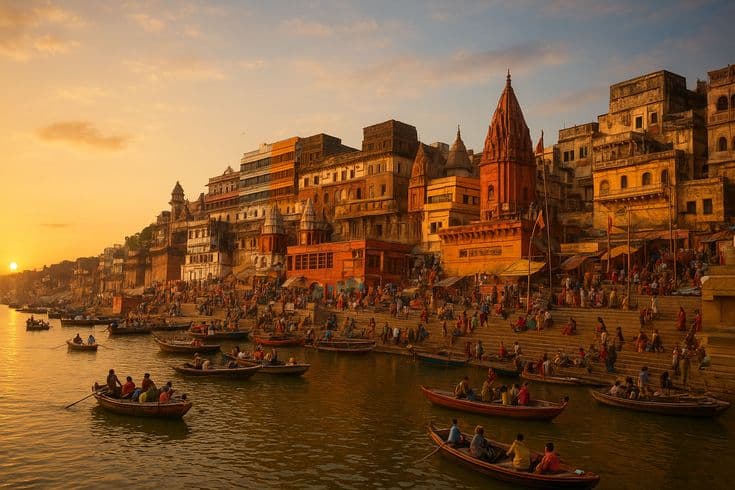
The Seven Sacred Ghats of Varanasi: Where Life and Death Dance Together
On the banks of the Ganga, the world’s oldest living city turns every sunrise into prayer. Walk seven ghats and you read the story of India’s spiritual heart, step by stone step.
Latest stories
More from the journal
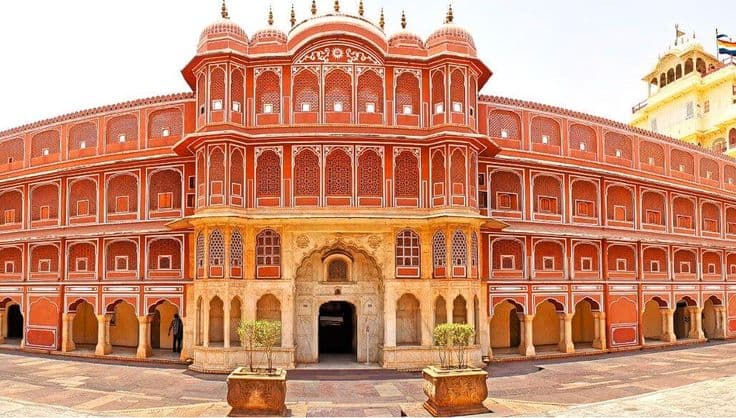
Jaipur: The Living Museum of Rajputana Royalty
Pink walls, blue pottery, peacock gates and astronomical clocks hewn from stone — the capital of Rajasthan is not a city you visit. It is a court you enter.

Kerala’s Backwaters: Sailing Through God’s Own Country
Coconut groves, kettuvallam houseboats and the slow southern pulse — how the canals of Alleppey grew into India's most lyrical waterway.
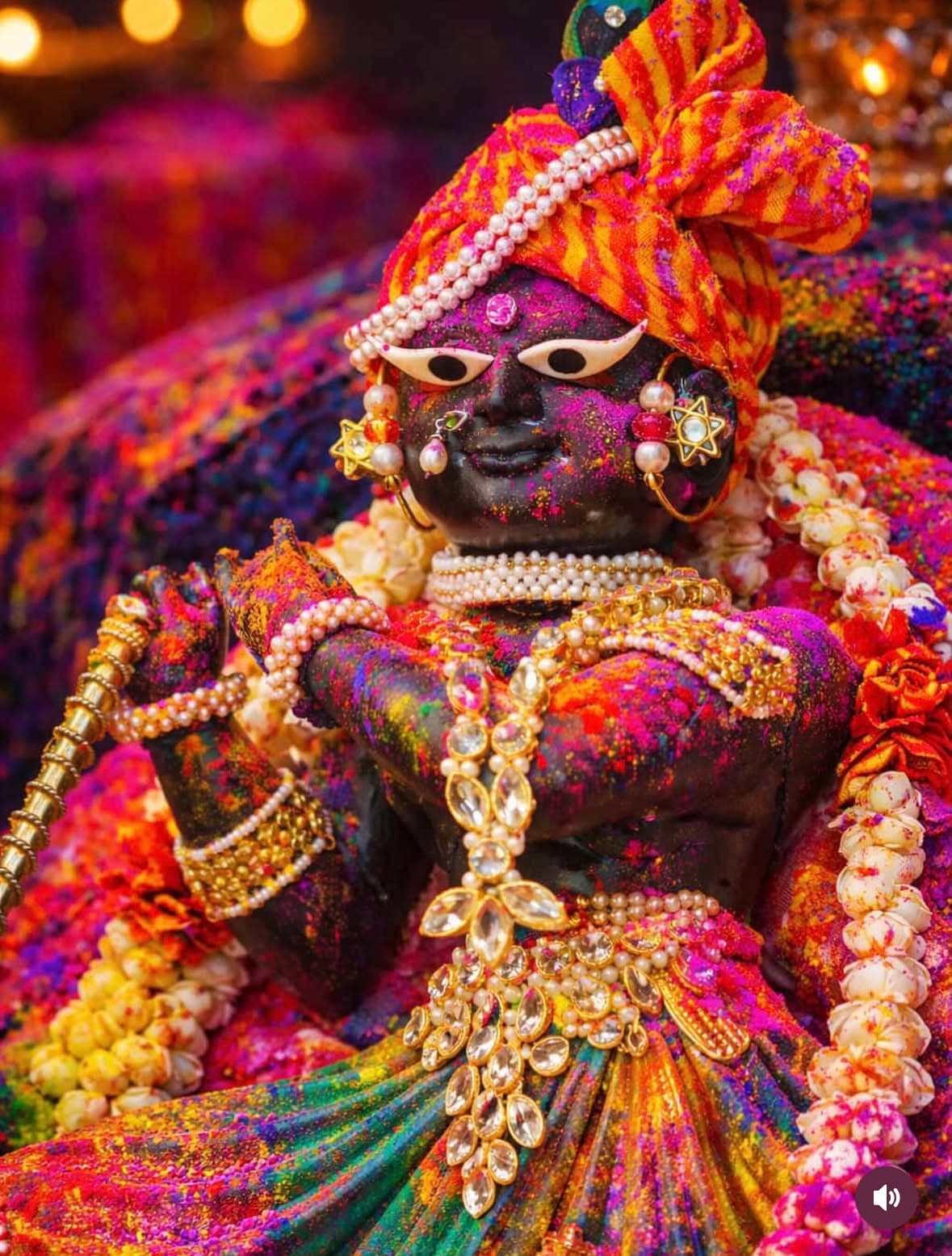
Holi in Mathura: Where Krishna’s Colour Still Lingers
Holi runs forty days in the Braj towns where Lord Krishna was born and fell in love. Flower-fights, turmeric, divine mischief. The oldest Holi anywhere on earth.
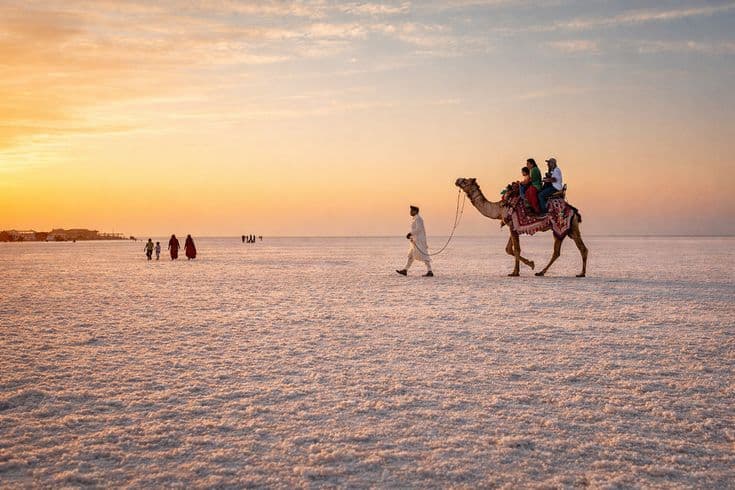
Rann of Kutch: Salt, Stars and Nomadic Souls
India’s white desert is not a desert. It is a dried sea the size of a small country, where embroidered villages and migratory flamingos share a glittering floor of salt.
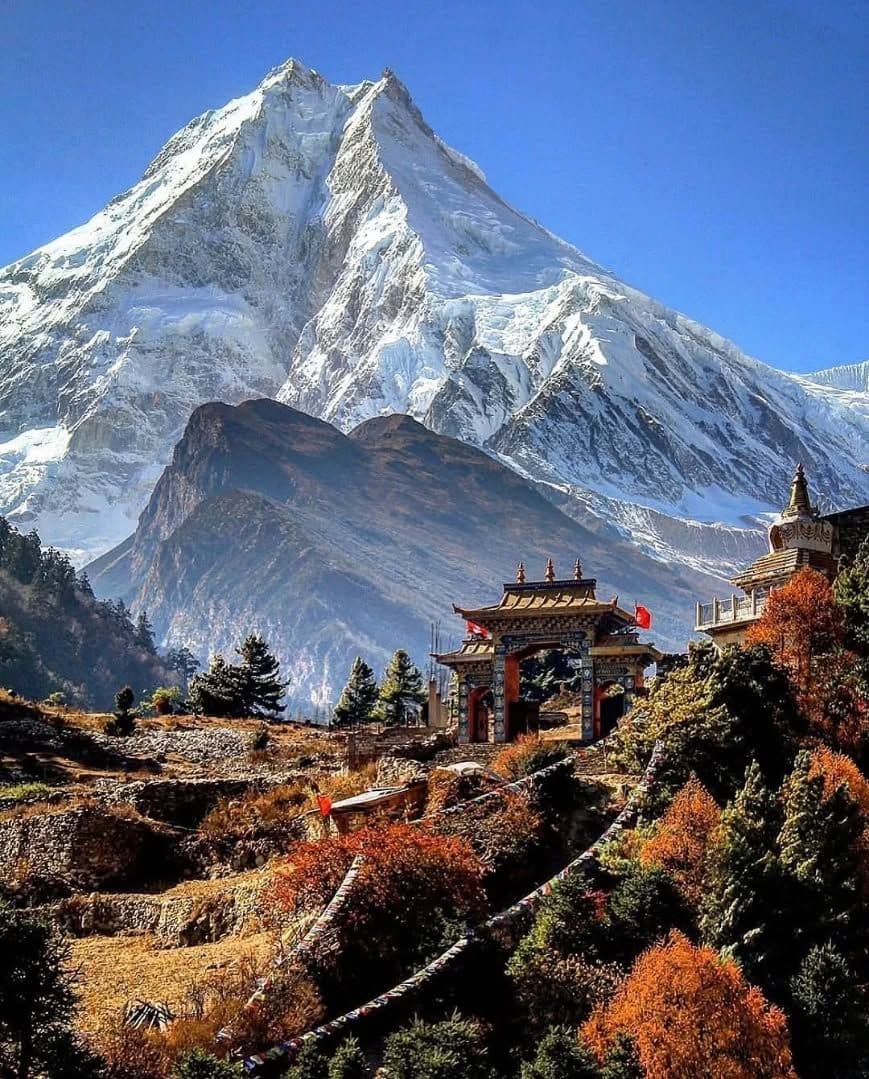
Himalayan Monasteries: Whispers from the Roof of the World
Above 3,500 metres, prayer wheels turn beside yak butter lamps and murals older than a thousand years. Plan a week inside the Vajrayana heart of India, from Ladakh to Spiti.
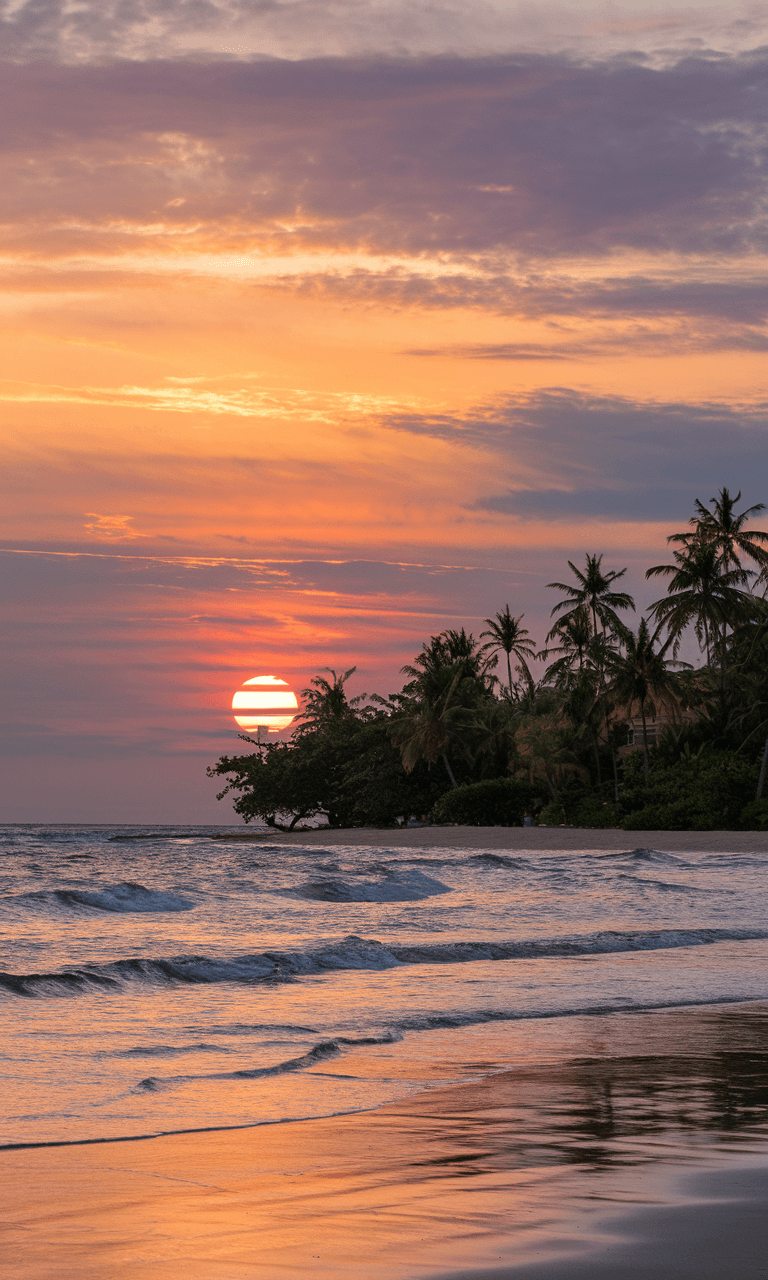
Goa Beyond the Beaches: Heritage, Feni and Fish Curry Rice
Behind the trance parties sits a Goa of 16th-century basilicas, laterite mansions, cashew distilleries and a kitchen that recalls the Portuguese empire more vividly than Lisbon does.

Amritsar’s Golden Temple: Langar, Faith and the World’s Largest Free Kitchen
Each day, 100,000 people sit on the marble floor of the Harmandir Sahib and eat the same meal — free. The Golden Temple’s story is what India does when it decides no one should go hungry.
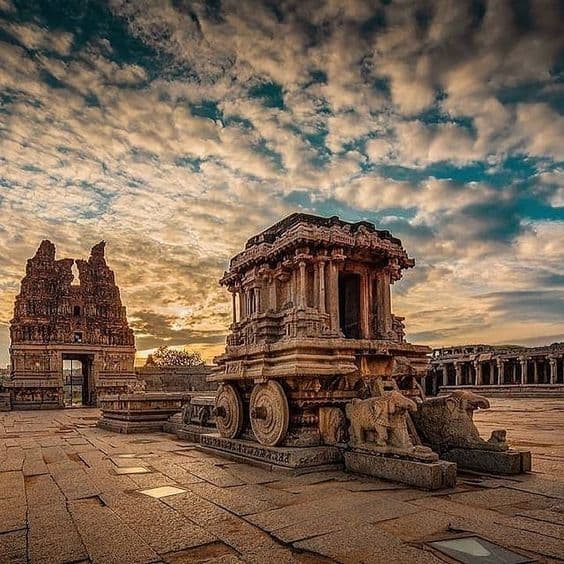
Hampi: Walking Through the Ruins of the Last Great Hindu Empire
In 1500 CE, Vijayanagara was the second-largest city on earth. Today its granite bones lie scattered across 26 square kilometres of boulder-strewn Karnataka, waiting for you to reassemble the empire.
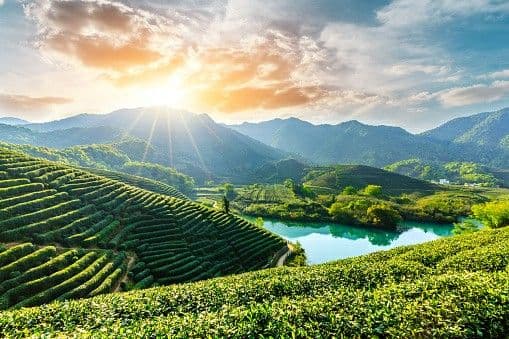
Darjeeling: Tea, the Toy Train and the Himalayan Dawn
At 2,042 metres in the eastern Himalayas sits a Victorian hill station that still grows the champagne of teas, runs a 140-year-old steam railway, and wakes each morning to Kanchenjunga.
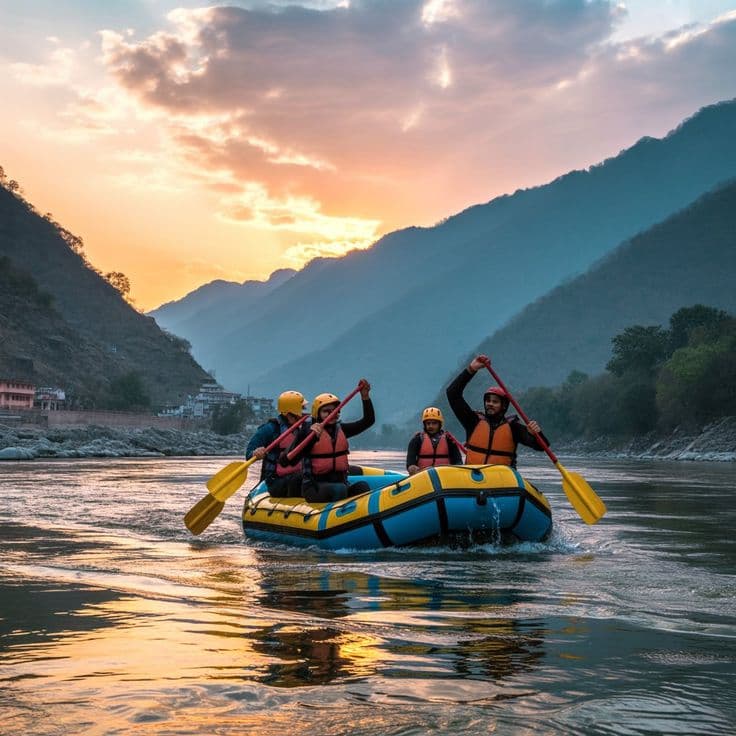
Rishikesh: Yoga at Sunrise, White Water by Noon
The Ganga drops out of the Himalayas and hits the plains at one small town that grew into the yoga capital of the world. Then it took on rafting, bungee jumping and café culture, and somehow kept every mantra intact.

The Tigers of Ranthambore: Tracking Jungle Kings in a Mughal Fort
Bengal tigers nap on 1,000-year-old ramparts here, and one tigress named Machli built a dynasty that still rules half the park. India's most famous reserve sits inside a Chahamana fort that no army ever stormed clean.
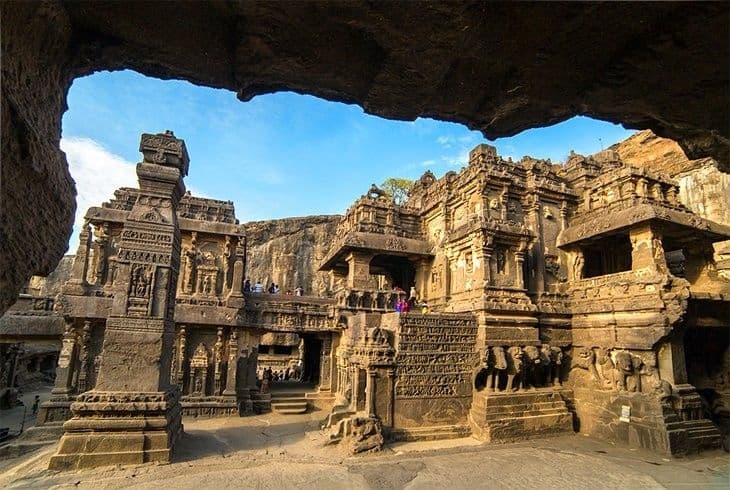
Ajanta & Ellora: The Cave Art That Predates the Renaissance by a Millennium
Eighty-four caves cut into a horseshoe cliff in Maharashtra hold two thousand years of Buddhist, Hindu and Jain art. The paintings and sculpture inside were refined enough to force a global rethink of what ancient India could do with a chisel.

Madurai’s Meenakshi Temple: 33,000 Sculptures and 2,500 Years of Dravidian Devotion
Call the Meenakshi Amman Temple a city within a city. Across 14 acres of gopurams, mandapams and painted gods, it has anchored Tamil civilisation since before Rome was built.
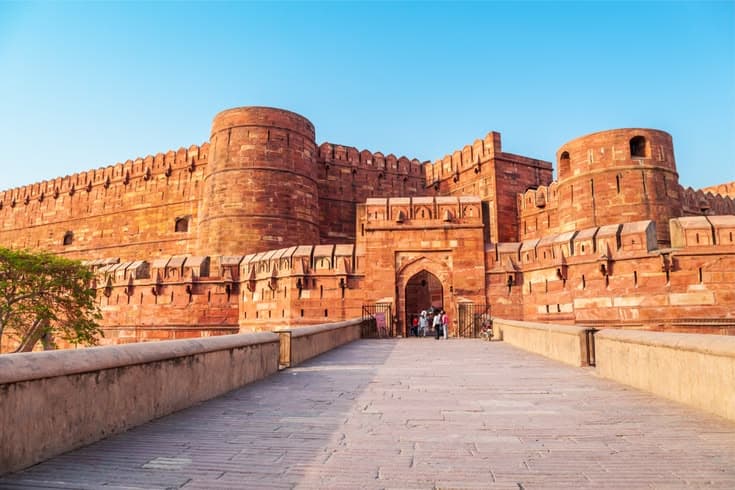
Agra Fort: The Red Sandstone Throne Where Shah Jahan Lost an Empire
Long before the Taj rose across the river, this 94-acre citadel was the operations centre of Mughal India. Audience halls, hidden harems, and a marble tower where a deposed emperor spent eight years staring at his own monument.
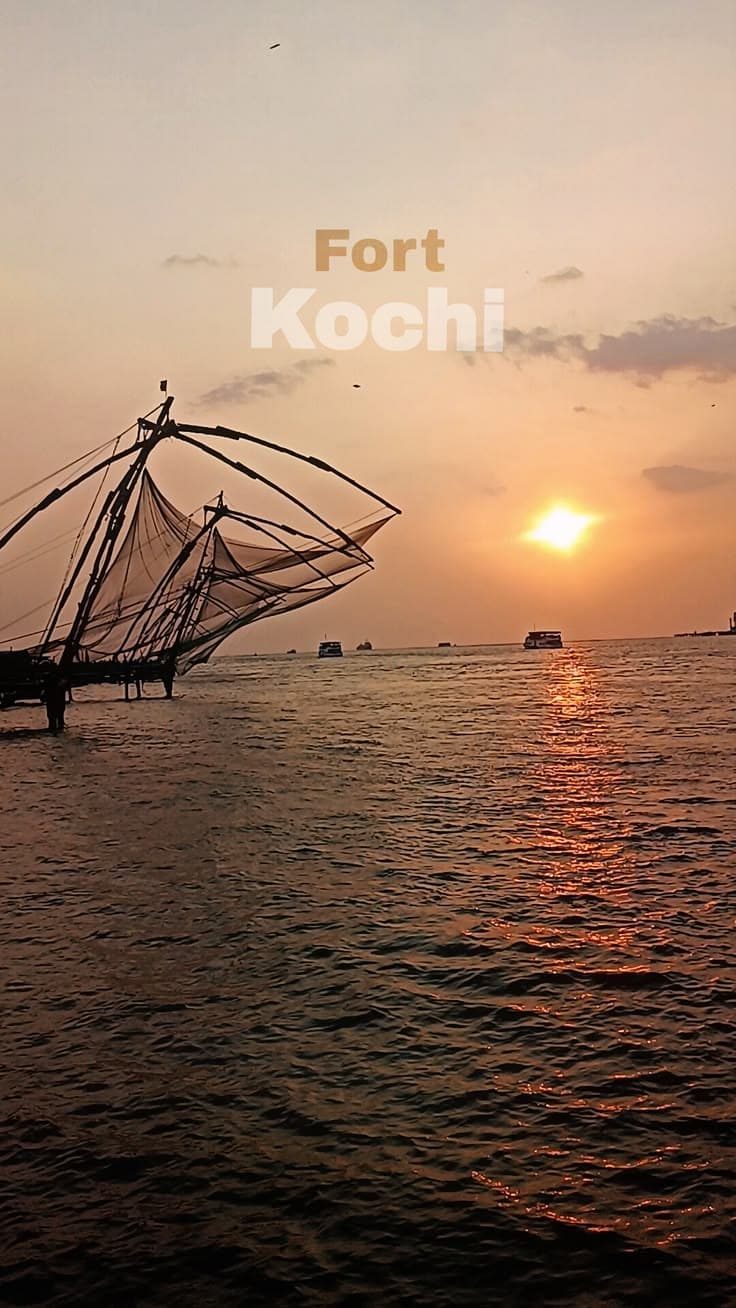
Fort Kochi: Where Four Empires Came for Pepper and Left Their Churches
The oldest European church in India sits two blocks from a 400-year-old synagogue. Chinese fishing nets, a Dutch cemetery, four fallen empires — all crammed into two kilometres of Kerala's spice harbour.
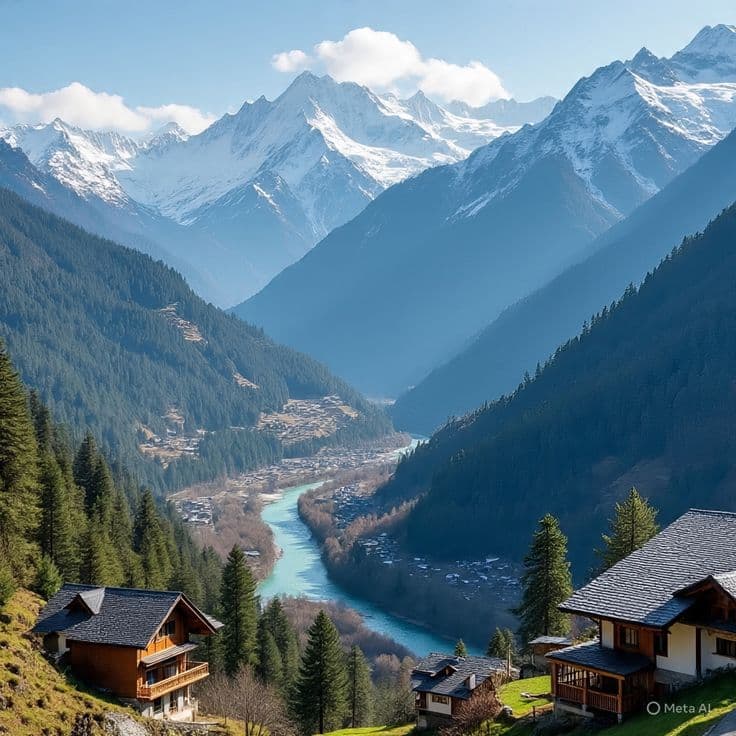
Manali: The Himalayan Valley of Apples, Adventures and Old Gods
A glacial river, a 450-year-old temple, apple orchards reddening every October and a snow pass open just five months a year — how one narrow valley turned into India's adventure capital.
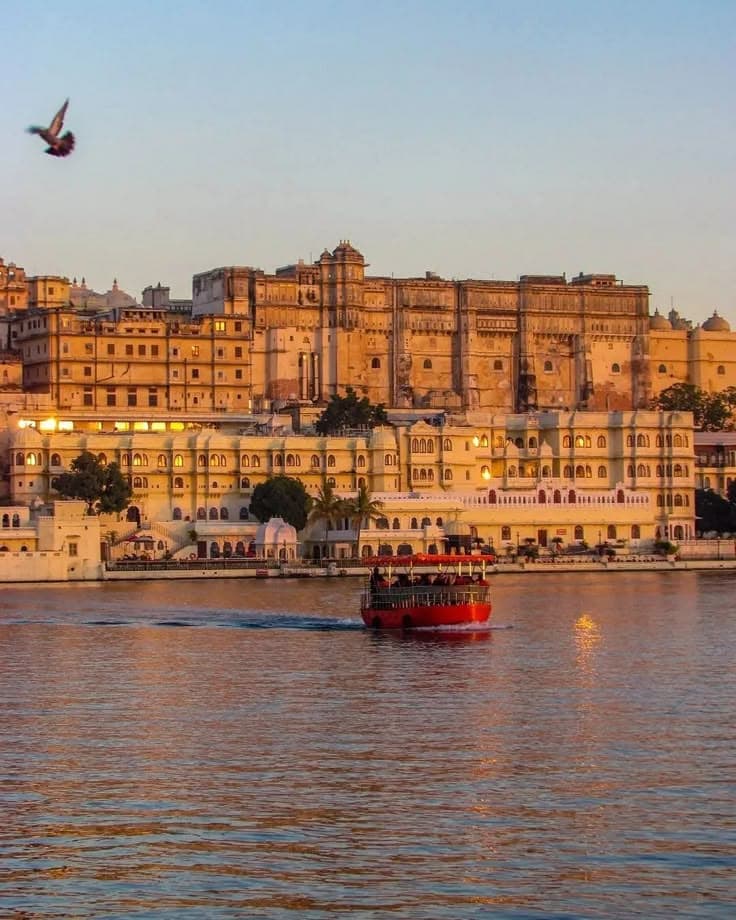
Udaipur: The Mewar City of Lakes, Where Rajput Kings Built on Water
Seven interlinked lakes, eleven palaces inside one complex, and 76 unbroken generations of Mewar royalty. A three-day route through the Rajput capital that was designed around water, not walls.
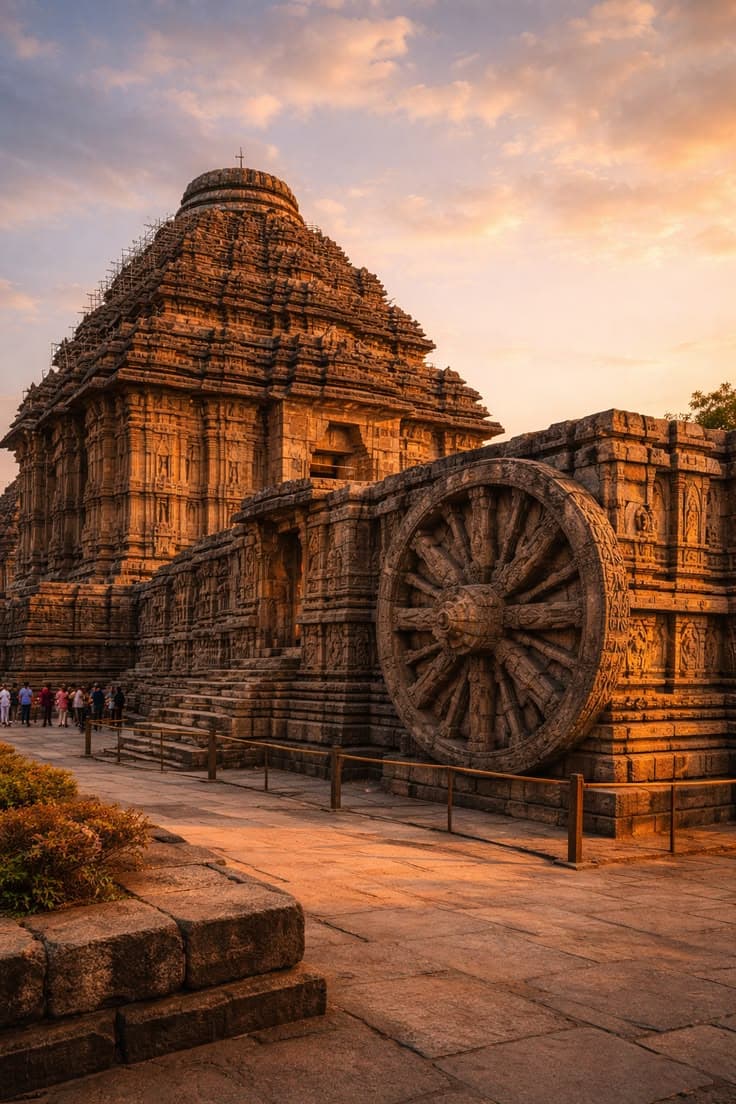
Konark Sun Temple: The Stone Chariot That Rises From The Bay of Bengal
A 13th-century king. Twelve hundred sculptors. A working sundial cut into sandstone. Trace how the most elaborate temple ever raised to the Sun was built, buried, and found again.
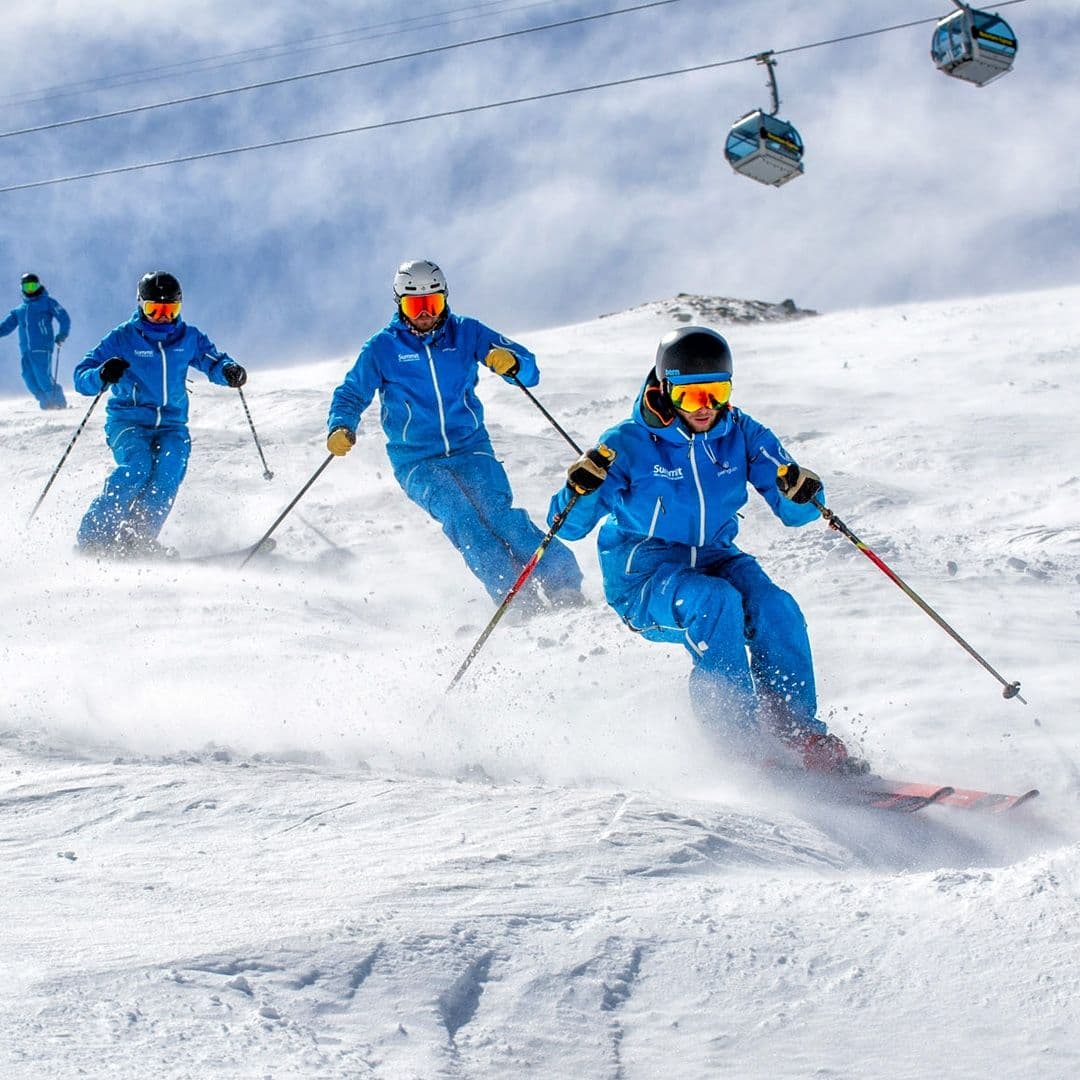
Auli: India's Only Serious Ski Slope, At The Foot of Nanda Devi
A 3-km piste at 2,800 m, the longest cable car in Asia, and runs that open straight onto India's second-highest peak. Here is how a forgotten Garhwali pasture turned into a winter sports venue.
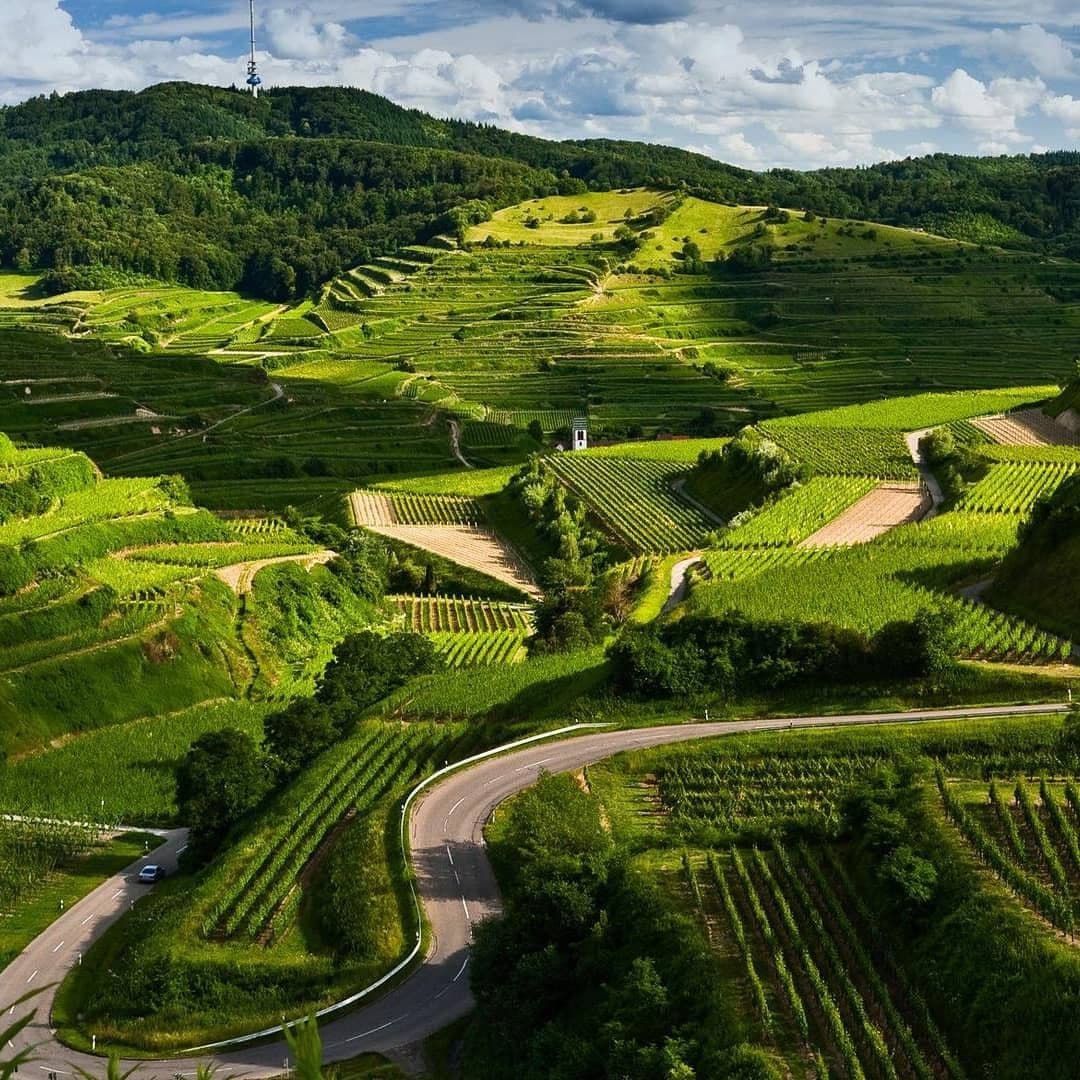
Coorg: Inside Karnataka's Coffee Country and the Last Warrior Clan
A hill district half the size of Goa. One third of India's coffee. And an indigenous warrior clan with their own language, ancestor gods and the only firearm-licence exemption on the subcontinent.
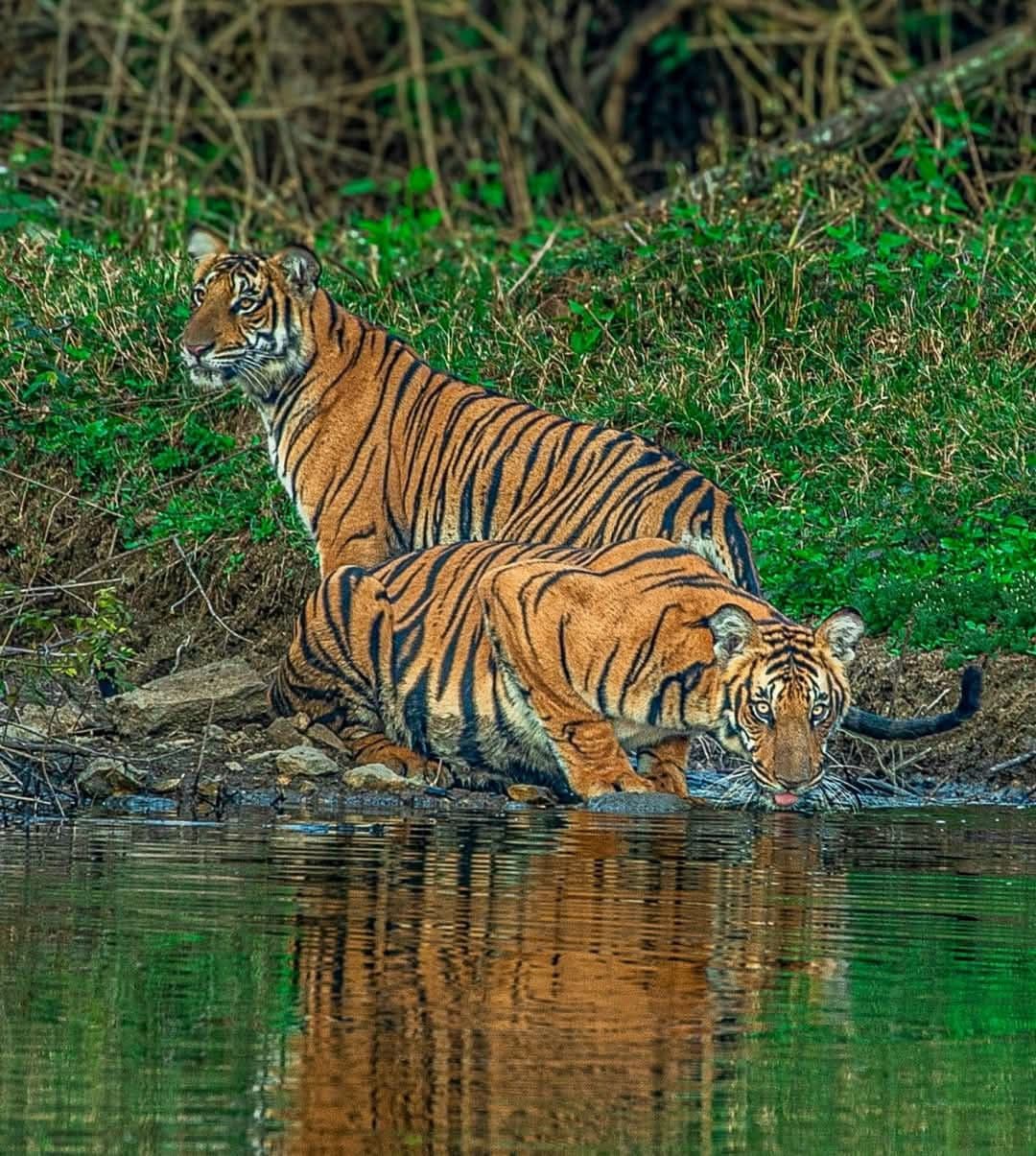
Sundarbans: Where Tigers Swim and the World's Largest Delta Breathes
Tigers that swim kilometre-wide channels and stalk crabs on mudflats. A forest of 10,000 sq km that drowns twice a day. This is the wilderness where the Ganga ends.
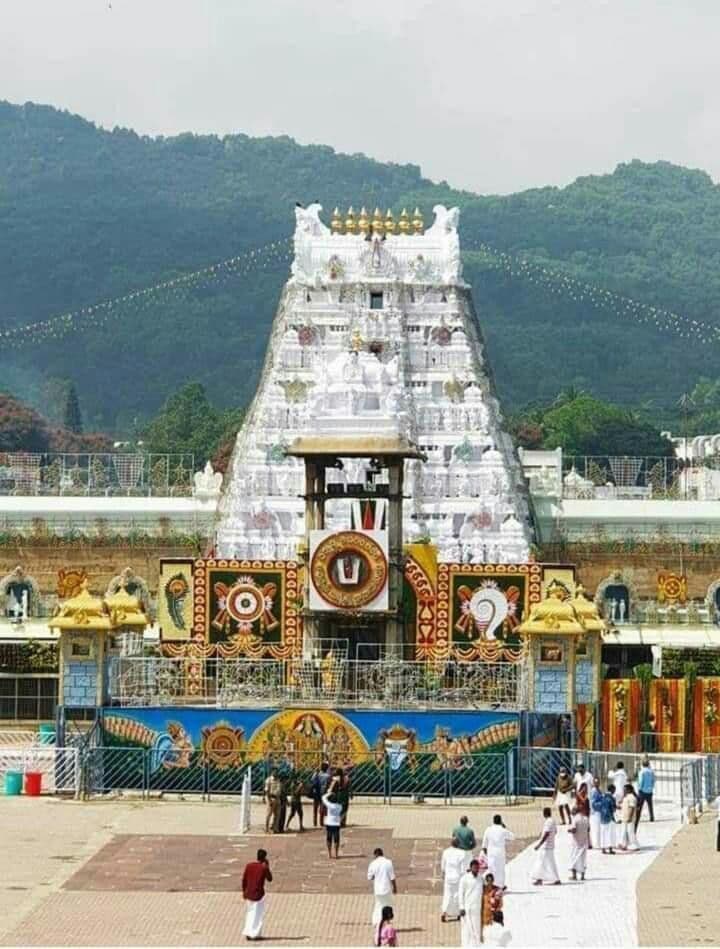
Tirupati: The World's Richest Temple and the 30 Million Pilgrims Who Climb to Its Gates
A granite hill-shrine in Andhra Pradesh that out-earns the Vatican. Seven hills, one deity, and 100,000 pilgrims queuing every single day for four seconds in front of the idol.
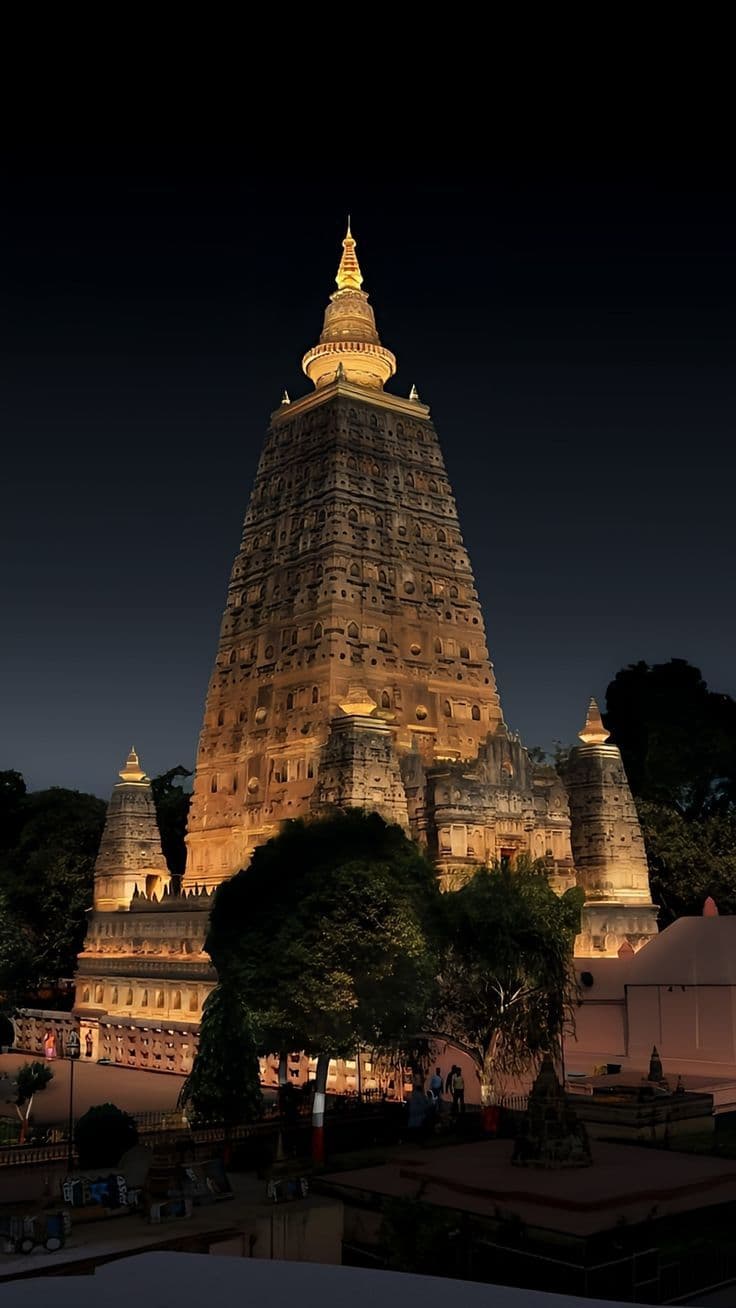
Bodh Gaya: Where the Buddha Sat Under a Tree and Changed the World
Fourteen years of wandering. Six years of starving himself thin. Forty-nine days beneath one fig tree. How a prince from what is now Nepal became the Buddha on a small plain in southern Bihar in 528 BCE.
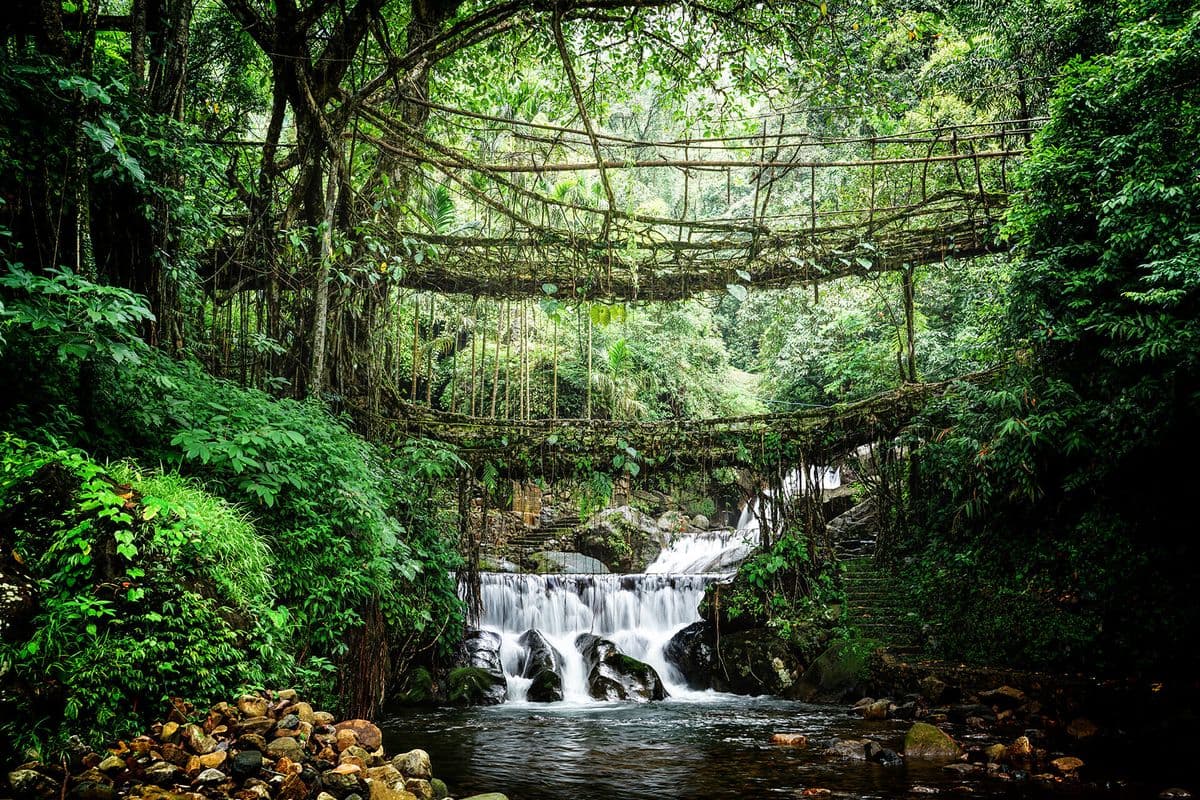
Cherrapunji: The Wettest Place on Earth and Its Living Root Bridges
Eleven thousand millimetres of rain a year, dropped onto a single south-facing escarpment. Five-hundred-year-old foot bridges woven by Khasi hands from the aerial roots of a rubber fig. One Meghalaya district that holds the rainfall record and, almost by accident, perfected self-repairing civil engineering.
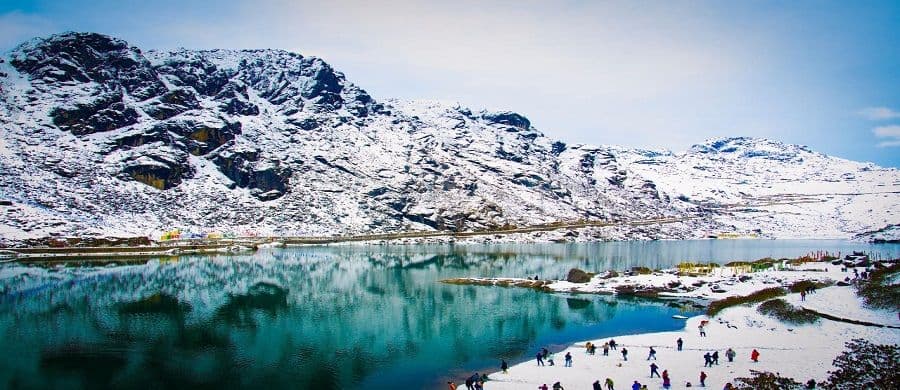
Sikkim: Gangtok, Tsomgo Lake and the Shadow of Kanchenjunga
Smallest Indian state by population. Second smallest by area. Home to the living Karmapa. A 7,096 sq km Himalayan kingdom that only joined India in 1975 — and still feels unlike anywhere else in the country.
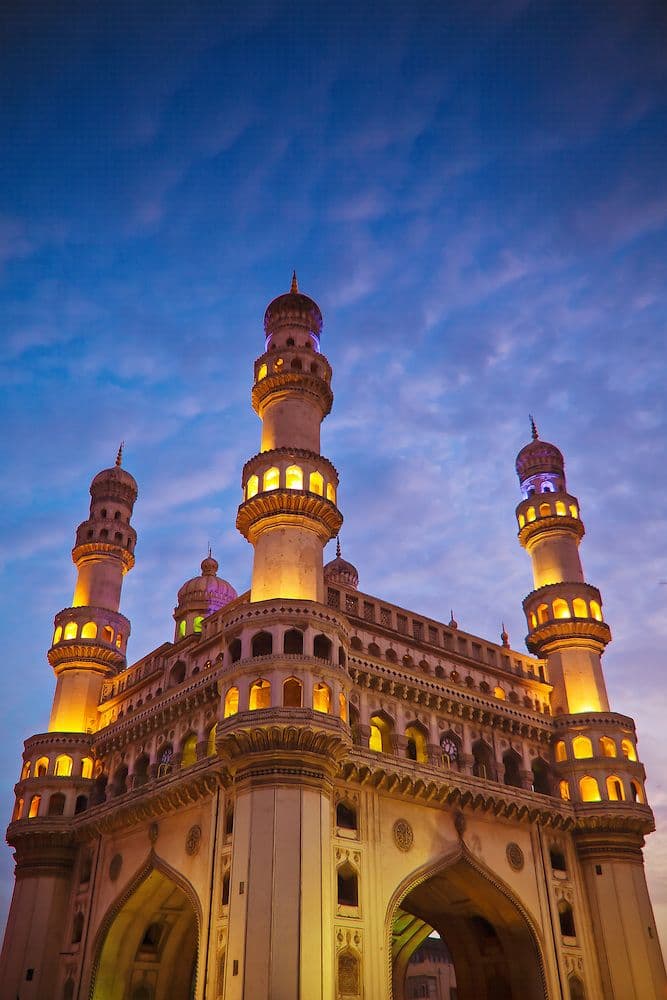
Hyderabad's Charminar: 434 Years Under Four Minarets
A city built to outshine Isfahan, a plague that killed half its people, four towers that became an emblem, and the biryani that Shah Jahan's cook perfected in its palace kitchens.
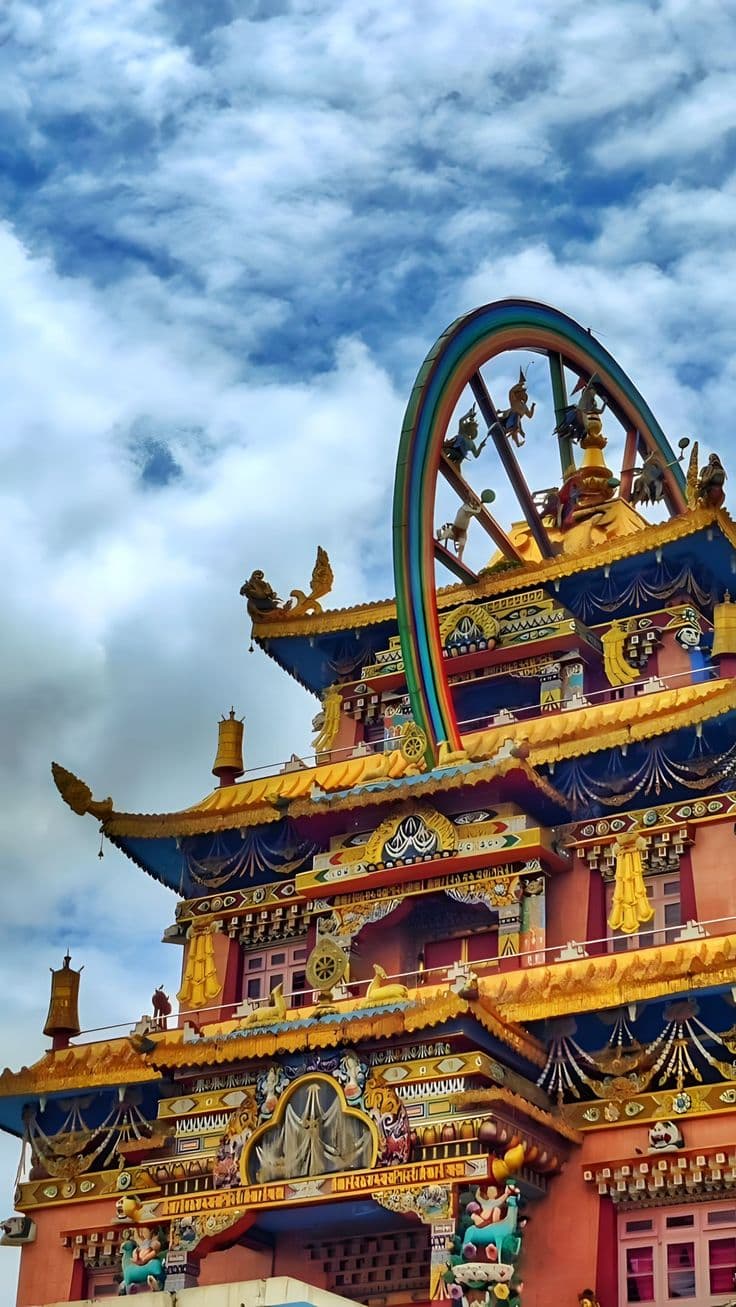
Tawang Monastery: India's Last Tibetan Buddhist Kingdom
A 4,170-metre pass between you and the second-largest Buddhist monastery on earth. Four centuries of Gelugpa robes, the birthplace of the sixth Dalai Lama, and a corner of India that still answers to Lhasa rather than Delhi.
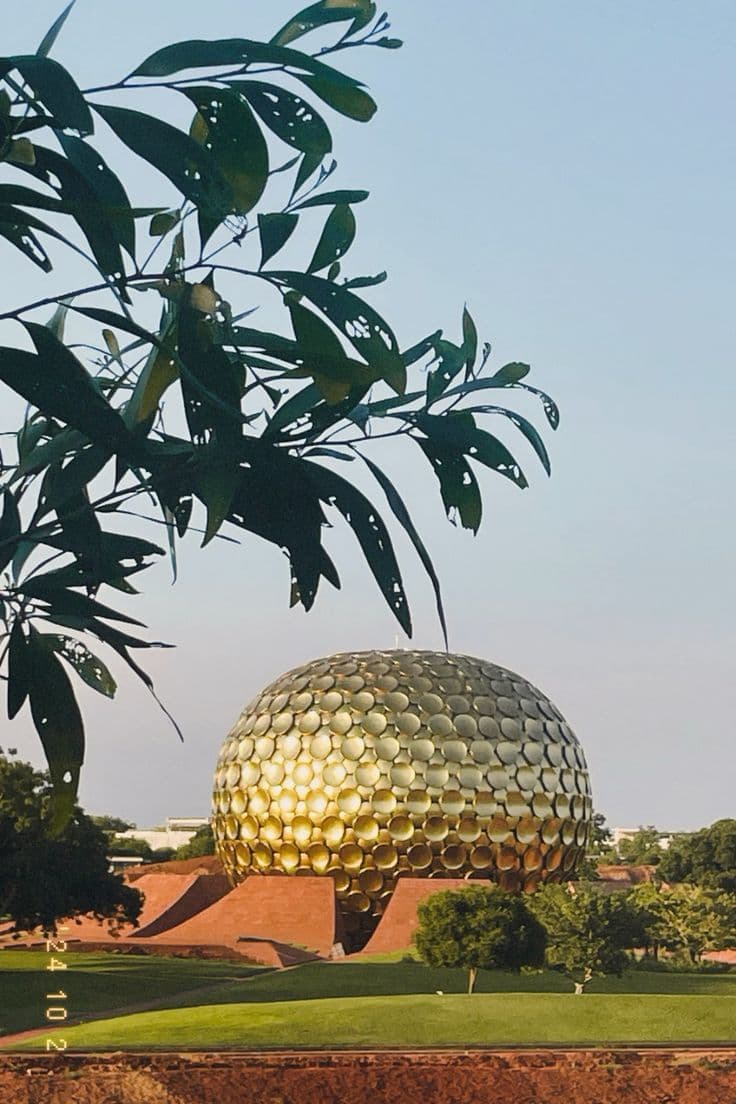
Pondicherry: The French Quarter, Auroville and the Slow South
A pocket of France on the Coromandel coast. A utopian township founded by a Frenchwoman in 1968. The quietest Tamil city in the country. Three ingredients that turned Puducherry into India's favourite weekend away.
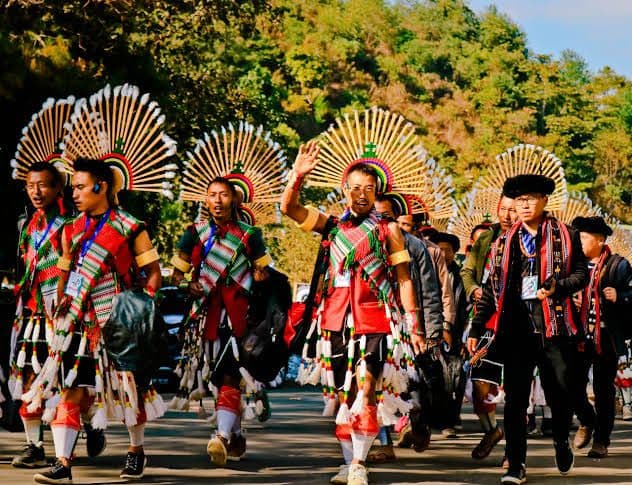
Kohima's Hornbill Festival: Ten Days With 17 Naga Tribes
Feathered headdresses, mithun-horn drinking cups, war dances around bonfires. Seventeen tribes gather, a state-run showcase turned into India's most honest tribal festival, and a WW2 battlefield sits a kilometre away.
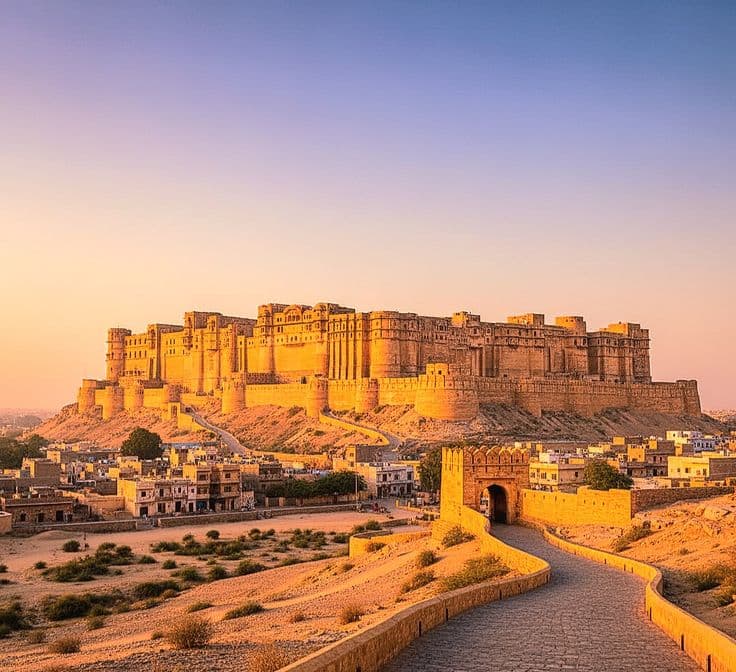
Jaisalmer: The Golden Fort That Still Breathes in the Thar Desert
A 12th-century citadel where 3,000 people still cook, sleep and run guesthouses inside the original ramparts — one of only two living forts left on earth. Expect amber sandstone at sunset, and more camels than scooters in the golden city.
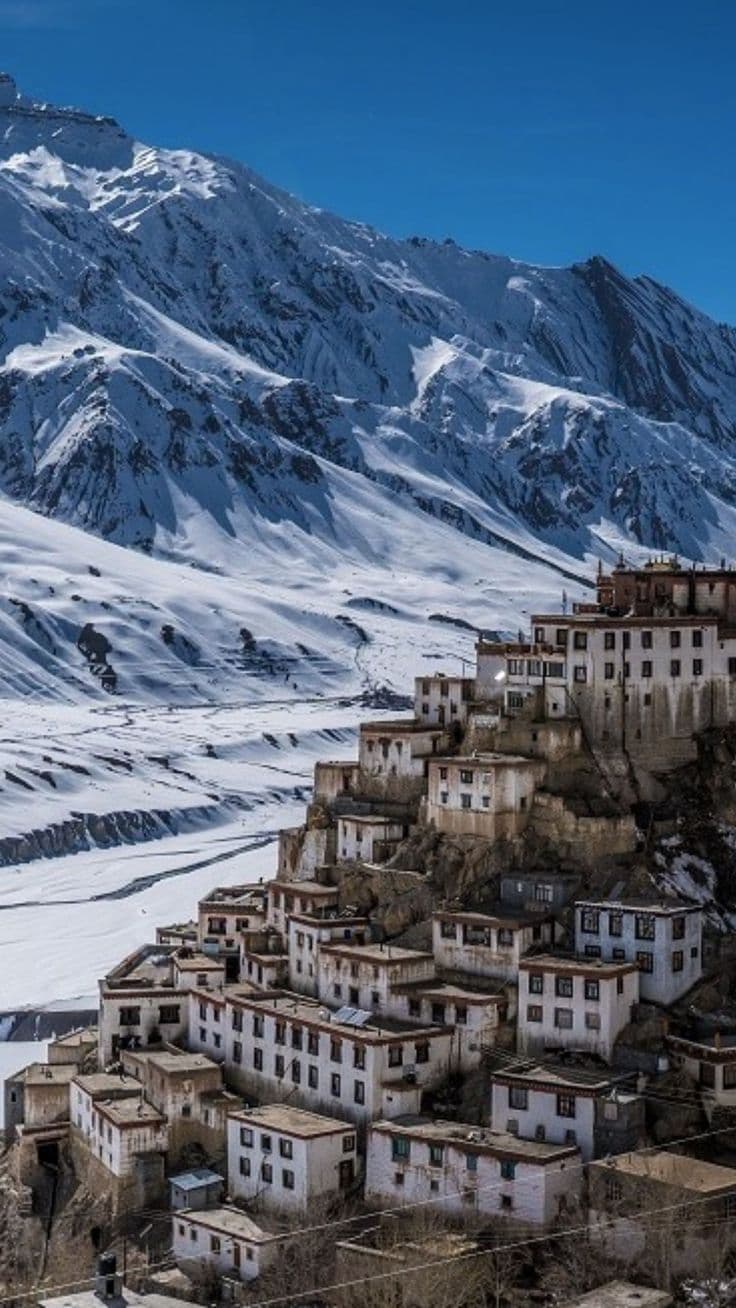
Spiti Valley Road Trip: Driving on the Moon at 13,000 Feet
Ten days across India's strangest, hardest, most repaying road trip — from Shimla's deodars to Ki Monastery's cliff-edge prayer halls, ending at a hand-stamped postcard from the highest post office on earth.
Kashmir by Shikara: Drifting Through the Paradise Emperors Could Not Buy
A cedarwood oar, a copper samovar, and a 400-year-old Mughal garden on the far shore. Three days afloat on the Dal, the Nigeen and the Jhelum reveal the Kashmir most tourists miss.
Khajuraho: A Thousand Years of Stone That Still Whispers
Twenty temples in a sleepy Madhya Pradesh village, carved with 27,000 figures of gods, dancers, warriors and lovers. What the Chandela kings built across 200 years — and why no one has matched it since.
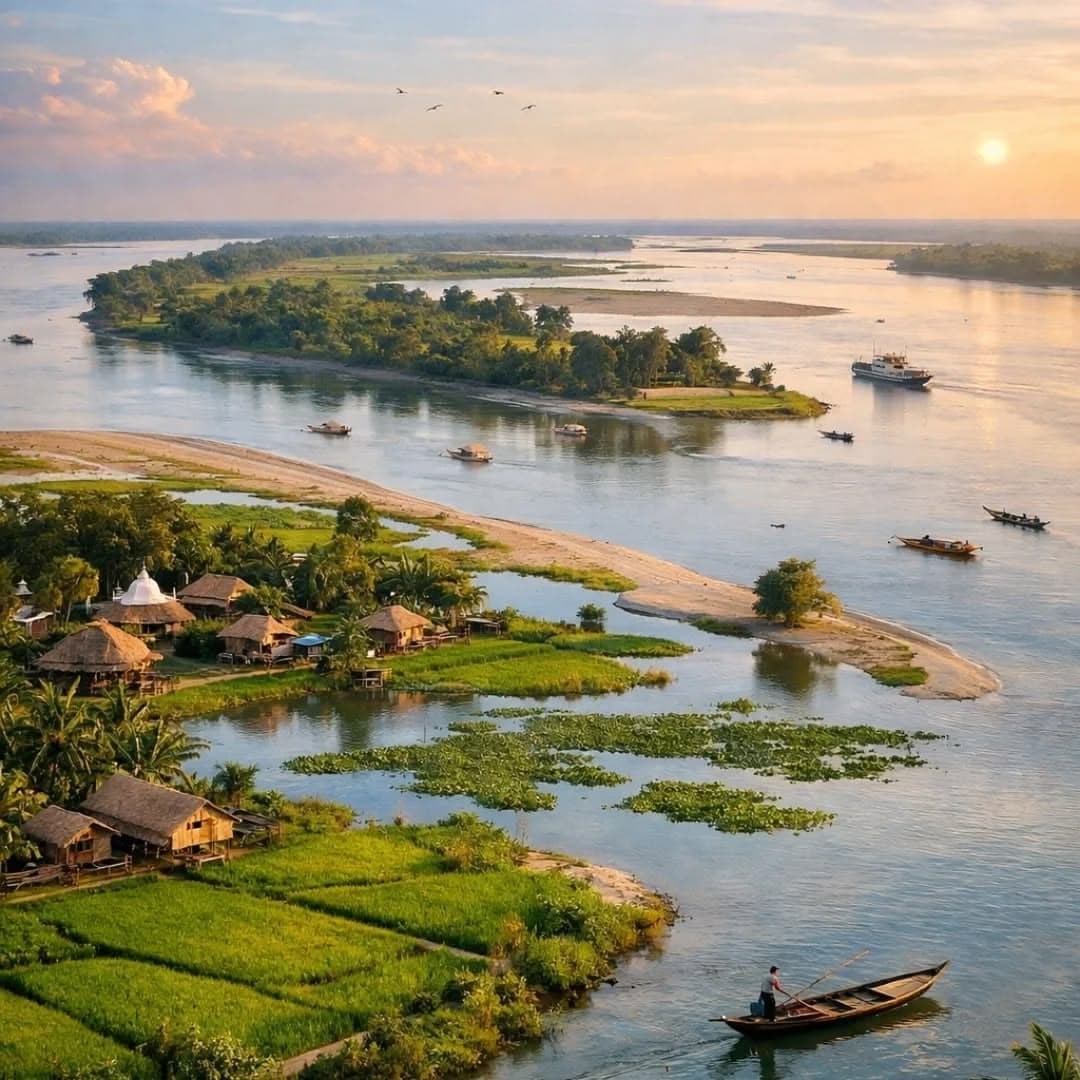
Majuli: The World's Largest River Island Is Writing Its Own Elegy
Born of an 18th-century flood, shrunk by the Brahmaputra every decade, home to 22 Vaishnavite monasteries and the last neo-Sattriya dancers on earth. Assam's Majuli is a living museum of devotion built on the most unstable land in the country.
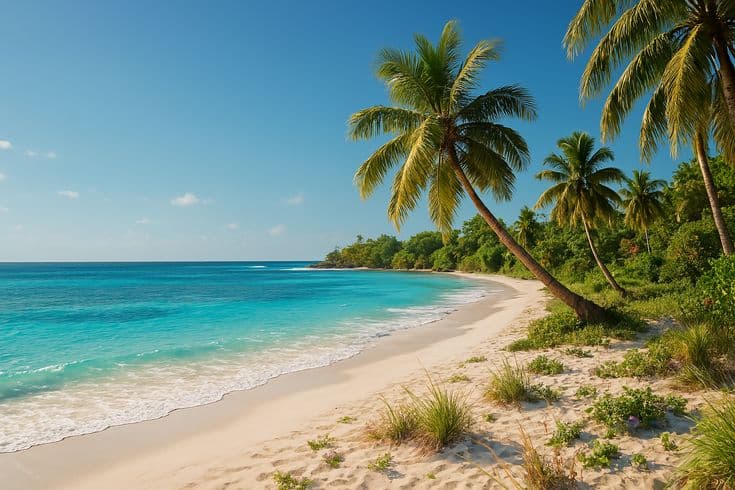
The Andamans: From Kala Pani Prison to Coral Turquoise in Four Days
A British penal colony turned into India's freedom-struggle memorial. A volcanic atoll became one of Asia's last clear-water reefs. Four days in the Andamans compress 200 years of history and 10,000 marine species into one short eastern-sea holiday.
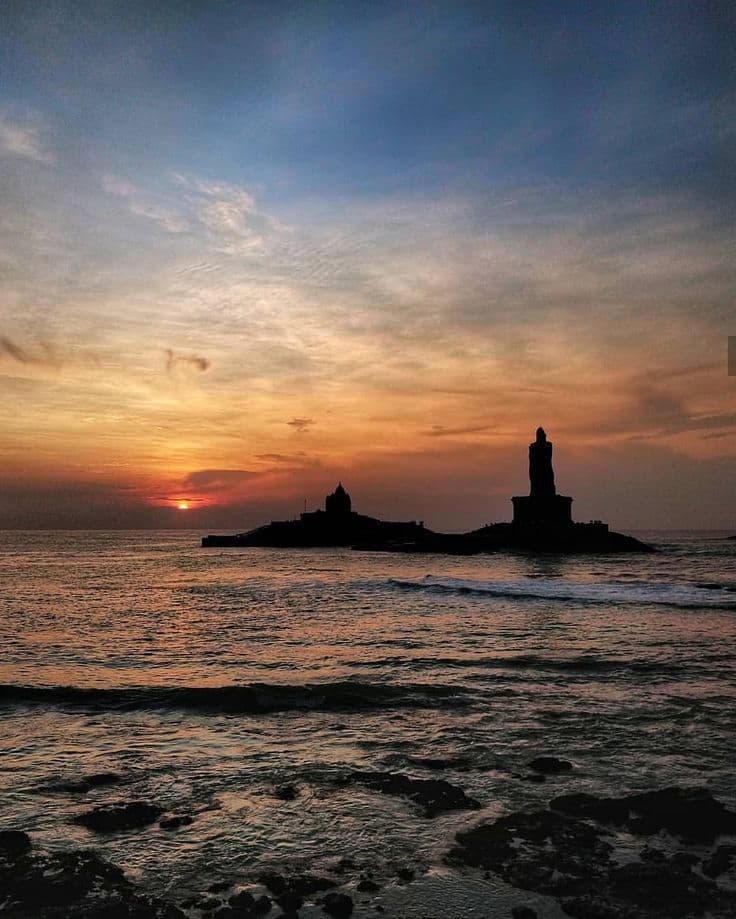
Kanyakumari: Where Three Seas Become One Horizon
Three seas converge in one visible horizon at India's southern tip — the Arabian, the Bay of Bengal and the Indian Ocean. A fishing village, a granite rock where Vivekananda meditated for three days, and the only spot on the subcontinent where sunrise and sunset both happen over water.
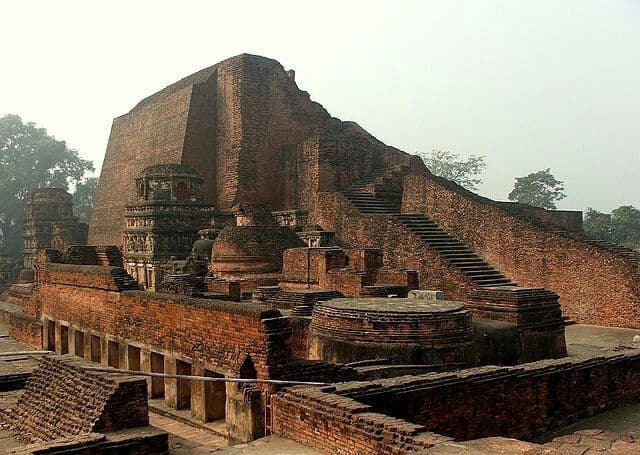
Nalanda: The University That Taught the World, Then Was Burned for Three Months
Five centuries before Oxford existed, a Bihar village was running a residential university of 10,000 students drawn from China, Korea, Tibet and Persia. A single Turkic raid in 1193 set its library on fire — the smoke, one eyewitness recorded, refused to lift for ninety days.
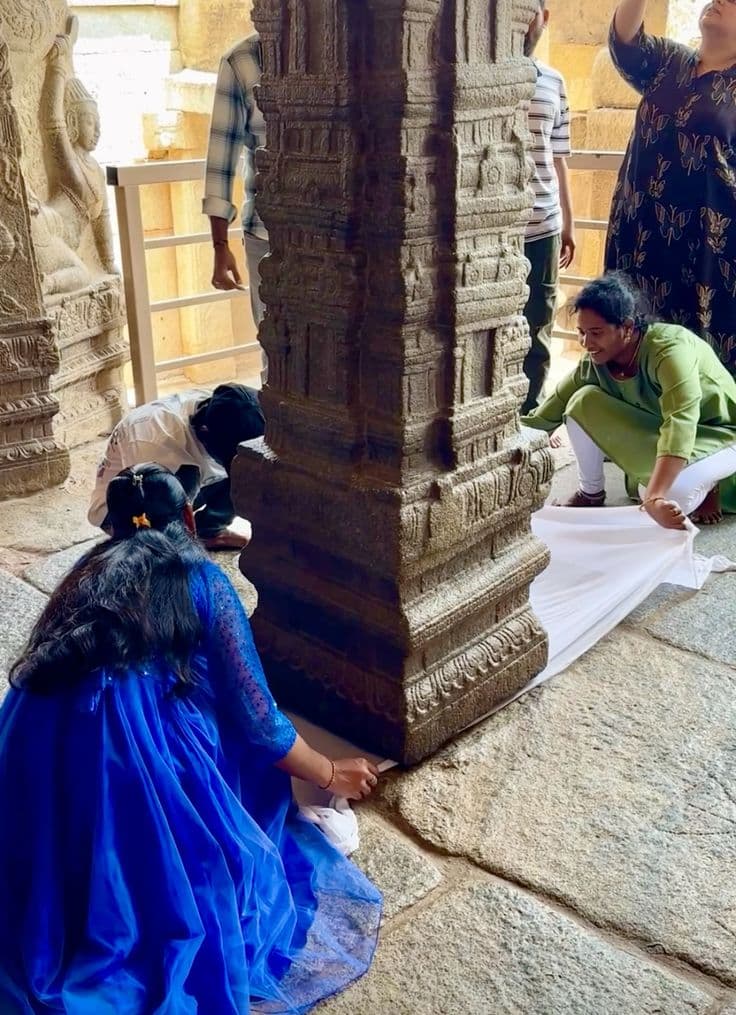
Lepakshi: The 16th-Century Temple With a Pillar That Doesn't Touch the Ground
A granite pillar that hangs from the ceiling and leaves a gap of air beneath it has puzzled engineers for five centuries. You will find it inside a 500-year-old Vijayanagara temple in a small Anantapur village, standing exactly as it has since 1538.
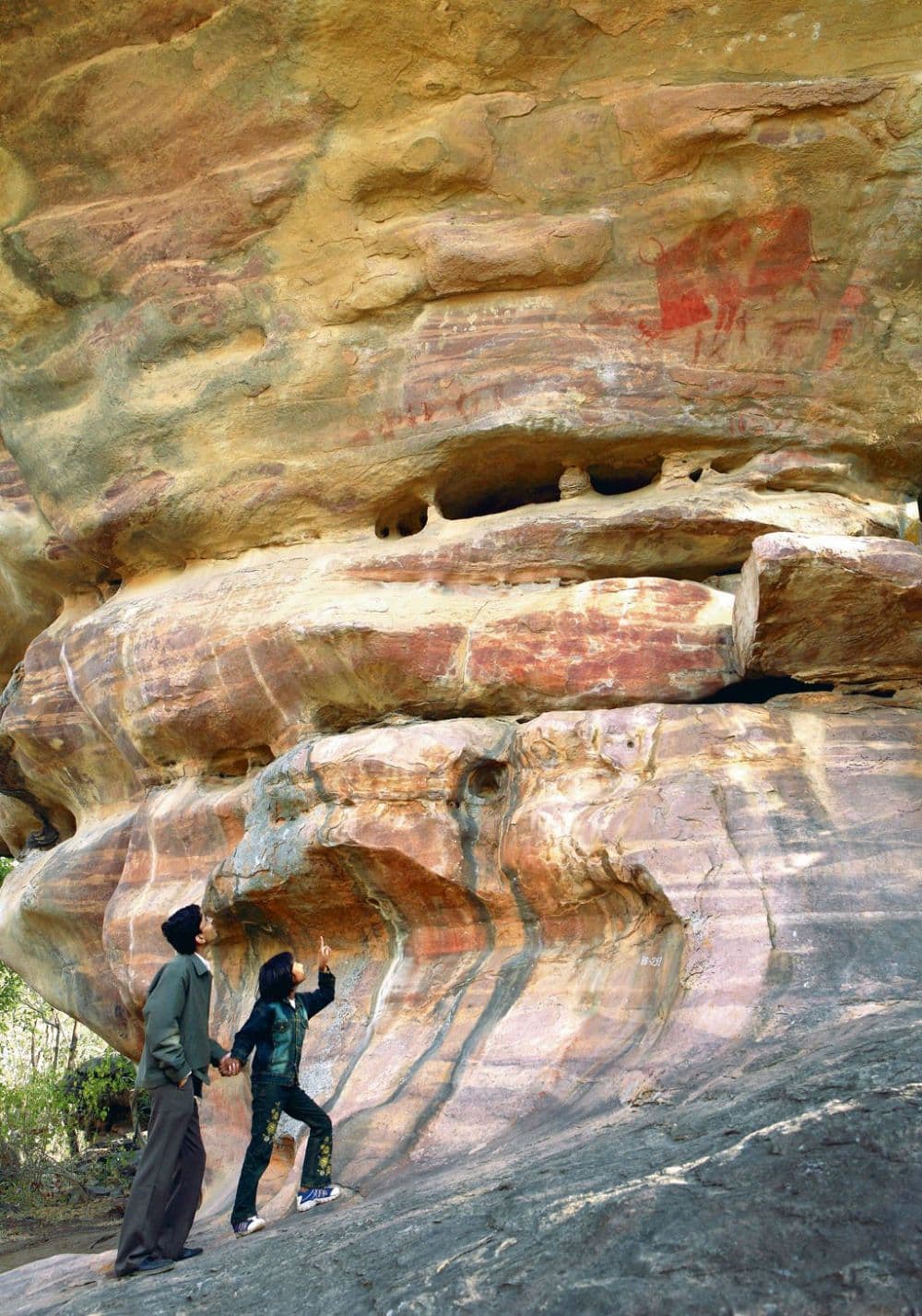
Bhimbetka: India's Oldest Art Gallery, Painted 30,000 Years Before the Taj
Long before the Mughals. Before the Mauryas. Before anyone planted a seed in central India, a hunter in the Vindhya foothills dipped a finger in red ochre and dragged it across sandstone. Seven hundred and fifty caves later, the gallery has not closed.
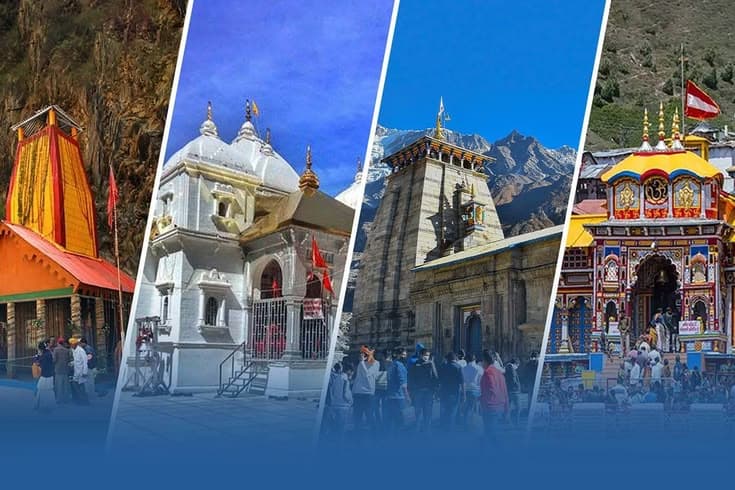
Chota Char Dham: A Pilgrim's Path Through the Garhwal Himalayas
Four shrines. Two river sources. The abodes of Shiva and Vishnu, all sealed under snow for half the year and thrown open on one auspicious dawn. The 8 to 12 day Garhwal yatra most North Indian families hope to finish in a single Himalayan summer.
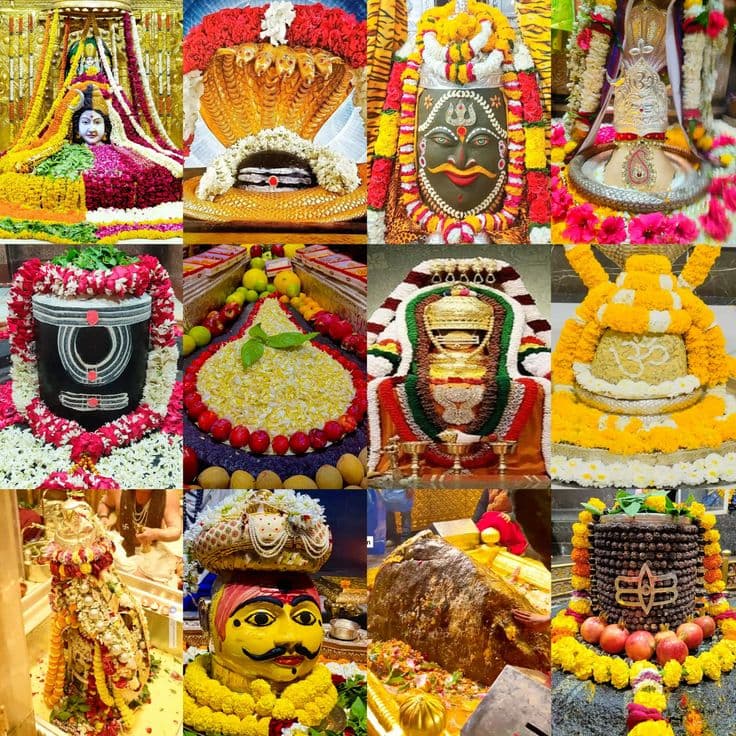
The Twelve Jyotirlingas: India's Pillars of Light
From the Arabian Sea to the Bay of Bengal, from 3,583-metre Kedarnath to the sand-linga at Rameswaram. The twelve sites where Shiva is said to have manifested as light — and three sub-circuits that compress the 21-day yatra into a working pilgrim's calendar.
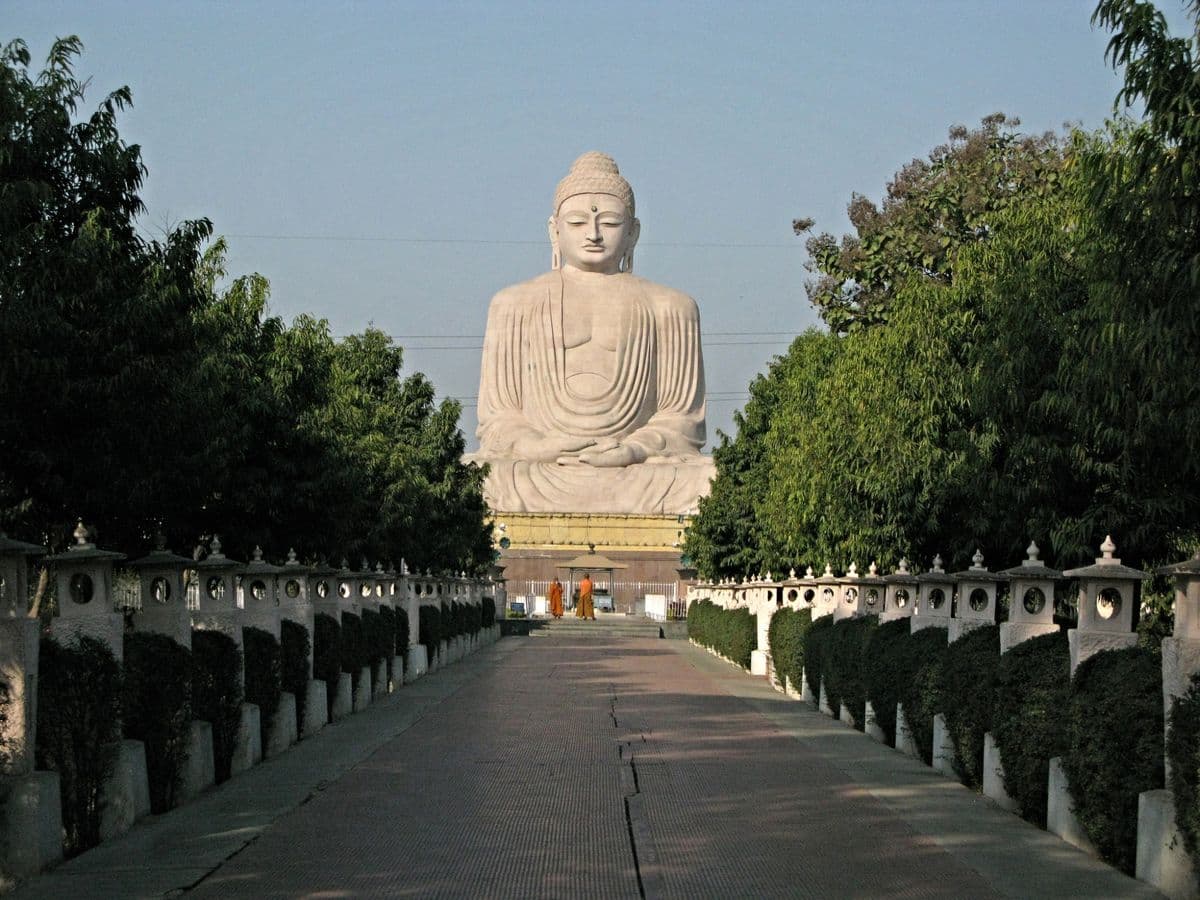
Walking the Buddha's Footsteps: India's Buddhist Heritage Circuit
Bodhi tree to twin sal trees. Bodhgaya to Kushinagar. The seven sites where the Buddha lived, taught and entered nirvana — strung into one 10-14 day journey across the cradle of Buddhism.

Ashtadasha Shakti Peetha: The Eighteen Abodes of the Goddess
Eighteen sites where Sati's body fell across the subcontinent. Hymned by Shankaracharya in the 8th century, the canonical 'major' Shakti Peethas span Sri Lanka, ten Indian states and Pakistan-occupied Kashmir.

The Bengali Shakta Trail: Kalighat, Tarapith and the Goddess of the East
Three Devi shrines that drew Bamakhepa to the cremation ground, gave Calcutta its name, and have hosted living tantric practice for eight centuries. Plus the perpetual flame at Jwala Devi and the inaccessible sanctums of Sri Lanka and Kashmir.
Region by region
Stories from every state
Our blog mirrors the map. Each entry links back to the places, state pages and category pages that live on this site — so one story naturally leads into the next.
Andaman and Nicobar
See all places in Andaman and Nicobar →Andhra Pradesh
See all places in Andhra Pradesh →Tirupati: The World's Richest Temple and the 30 Million Pilgrims Who Climb to Its Gates
A granite hill-shrine in Andhra Pradesh that out-earns the Vatican. Seven hills, one deity, and 100,000 pilgrims queuing every single day for four seconds in front of the idol.
Lepakshi: The 16th-Century Temple With a Pillar That Doesn't Touch the Ground
A granite pillar that hangs from the ceiling and leaves a gap of air beneath it has puzzled engineers for five centuries. You will find it inside a 500-year-old Vijayanagara temple in a small Anantapur village, standing exactly as it has since 1538.
Arunachal Pradesh
See all places in Arunachal Pradesh →Bodh Gaya: Where the Buddha Sat Under a Tree and Changed the World
Fourteen years of wandering. Six years of starving himself thin. Forty-nine days beneath one fig tree. How a prince from what is now Nepal became the Buddha on a small plain in southern Bihar in 528 BCE.
Nalanda: The University That Taught the World, Then Was Burned for Three Months
Five centuries before Oxford existed, a Bihar village was running a residential university of 10,000 students drawn from China, Korea, Tibet and Persia. A single Turkic raid in 1193 set its library on fire — the smoke, one eyewitness recorded, refused to lift for ninety days.
Gujarat
See all places in Gujarat →Himachal Pradesh
See all places in Himachal Pradesh →Manali: The Himalayan Valley of Apples, Adventures and Old Gods
A glacial river, a 450-year-old temple, apple orchards reddening every October and a snow pass open just five months a year — how one narrow valley turned into India's adventure capital.
Spiti Valley Road Trip: Driving on the Moon at 13,000 Feet
Ten days across India's strangest, hardest, most repaying road trip — from Shimla's deodars to Ki Monastery's cliff-edge prayer halls, ending at a hand-stamped postcard from the highest post office on earth.
Jammu and Kashmir
See all places in Jammu and Kashmir →Karnataka
See all places in Karnataka →Hampi: Walking Through the Ruins of the Last Great Hindu Empire
In 1500 CE, Vijayanagara was the second-largest city on earth. Today its granite bones lie scattered across 26 square kilometres of boulder-strewn Karnataka, waiting for you to reassemble the empire.
Coorg: Inside Karnataka's Coffee Country and the Last Warrior Clan
A hill district half the size of Goa. One third of India's coffee. And an indigenous warrior clan with their own language, ancestor gods and the only firearm-licence exemption on the subcontinent.
Kerala’s Backwaters: Sailing Through God’s Own Country
Coconut groves, kettuvallam houseboats and the slow southern pulse — how the canals of Alleppey grew into India's most lyrical waterway.
Fort Kochi: Where Four Empires Came for Pepper and Left Their Churches
The oldest European church in India sits two blocks from a 400-year-old synagogue. Chinese fishing nets, a Dutch cemetery, four fallen empires — all crammed into two kilometres of Kerala's spice harbour.
Madhya Pradesh
See all places in Madhya Pradesh →Khajuraho: A Thousand Years of Stone That Still Whispers
Twenty temples in a sleepy Madhya Pradesh village, carved with 27,000 figures of gods, dancers, warriors and lovers. What the Chandela kings built across 200 years — and why no one has matched it since.
Bhimbetka: India's Oldest Art Gallery, Painted 30,000 Years Before the Taj
Long before the Mughals. Before the Mauryas. Before anyone planted a seed in central India, a hunter in the Vindhya foothills dipped a finger in red ochre and dragged it across sandstone. Seven hundred and fifty caves later, the gallery has not closed.
The Twelve Jyotirlingas: India's Pillars of Light
From the Arabian Sea to the Bay of Bengal, from 3,583-metre Kedarnath to the sand-linga at Rameswaram. The twelve sites where Shiva is said to have manifested as light — and three sub-circuits that compress the 21-day yatra into a working pilgrim's calendar.
Maharashtra
See all places in Maharashtra →Meghalaya
See all places in Meghalaya →Multiple
See all places in Multiple →Nagaland
See all places in Nagaland →Puducherry
See all places in Puducherry →Rajasthan
See all places in Rajasthan →Jaipur: The Living Museum of Rajputana Royalty
Pink walls, blue pottery, peacock gates and astronomical clocks hewn from stone — the capital of Rajasthan is not a city you visit. It is a court you enter.
The Tigers of Ranthambore: Tracking Jungle Kings in a Mughal Fort
Bengal tigers nap on 1,000-year-old ramparts here, and one tigress named Machli built a dynasty that still rules half the park. India's most famous reserve sits inside a Chahamana fort that no army ever stormed clean.
Udaipur: The Mewar City of Lakes, Where Rajput Kings Built on Water
Seven interlinked lakes, eleven palaces inside one complex, and 76 unbroken generations of Mewar royalty. A three-day route through the Rajput capital that was designed around water, not walls.
Jaisalmer: The Golden Fort That Still Breathes in the Thar Desert
A 12th-century citadel where 3,000 people still cook, sleep and run guesthouses inside the original ramparts — one of only two living forts left on earth. Expect amber sandstone at sunset, and more camels than scooters in the golden city.
Tamil Nadu
See all places in Tamil Nadu →Madurai’s Meenakshi Temple: 33,000 Sculptures and 2,500 Years of Dravidian Devotion
Call the Meenakshi Amman Temple a city within a city. Across 14 acres of gopurams, mandapams and painted gods, it has anchored Tamil civilisation since before Rome was built.
Kanyakumari: Where Three Seas Become One Horizon
Three seas converge in one visible horizon at India's southern tip — the Arabian, the Bay of Bengal and the Indian Ocean. A fishing village, a granite rock where Vivekananda meditated for three days, and the only spot on the subcontinent where sunrise and sunset both happen over water.
Telangana
See all places in Telangana →Uttar Pradesh
See all places in Uttar Pradesh →The Seven Sacred Ghats of Varanasi: Where Life and Death Dance Together
On the banks of the Ganga, the world’s oldest living city turns every sunrise into prayer. Walk seven ghats and you read the story of India’s spiritual heart, step by stone step.
Holi in Mathura: Where Krishna’s Colour Still Lingers
Holi runs forty days in the Braj towns where Lord Krishna was born and fell in love. Flower-fights, turmeric, divine mischief. The oldest Holi anywhere on earth.
Agra Fort: The Red Sandstone Throne Where Shah Jahan Lost an Empire
Long before the Taj rose across the river, this 94-acre citadel was the operations centre of Mughal India. Audience halls, hidden harems, and a marble tower where a deposed emperor spent eight years staring at his own monument.
Walking the Buddha's Footsteps: India's Buddhist Heritage Circuit
Bodhi tree to twin sal trees. Bodhgaya to Kushinagar. The seven sites where the Buddha lived, taught and entered nirvana — strung into one 10-14 day journey across the cradle of Buddhism.
Uttarakhand
See all places in Uttarakhand →Rishikesh: Yoga at Sunrise, White Water by Noon
The Ganga drops out of the Himalayas and hits the plains at one small town that grew into the yoga capital of the world. Then it took on rafting, bungee jumping and café culture, and somehow kept every mantra intact.
Auli: India's Only Serious Ski Slope, At The Foot of Nanda Devi
A 3-km piste at 2,800 m, the longest cable car in Asia, and runs that open straight onto India's second-highest peak. Here is how a forgotten Garhwali pasture turned into a winter sports venue.
Chota Char Dham: A Pilgrim's Path Through the Garhwal Himalayas
Four shrines. Two river sources. The abodes of Shiva and Vishnu, all sealed under snow for half the year and thrown open on one auspicious dawn. The 8 to 12 day Garhwal yatra most North Indian families hope to finish in a single Himalayan summer.
West Bengal
See all places in West Bengal →Darjeeling: Tea, the Toy Train and the Himalayan Dawn
At 2,042 metres in the eastern Himalayas sits a Victorian hill station that still grows the champagne of teas, runs a 140-year-old steam railway, and wakes each morning to Kanchenjunga.
Sundarbans: Where Tigers Swim and the World's Largest Delta Breathes
Tigers that swim kilometre-wide channels and stalk crabs on mudflats. A forest of 10,000 sq km that drowns twice a day. This is the wilderness where the Ganga ends.
The Bengali Shakta Trail: Kalighat, Tarapith and the Goddess of the East
Three Devi shrines that drew Bamakhepa to the cremation ground, gave Calcutta its name, and have hosted living tantric practice for eight centuries. Plus the perpetual flame at Jwala Devi and the inaccessible sanctums of Sri Lanka and Kashmir.
Plan the trip the stories talk about
Every blog references real places on this site. Pick one up and start building your own yatra.