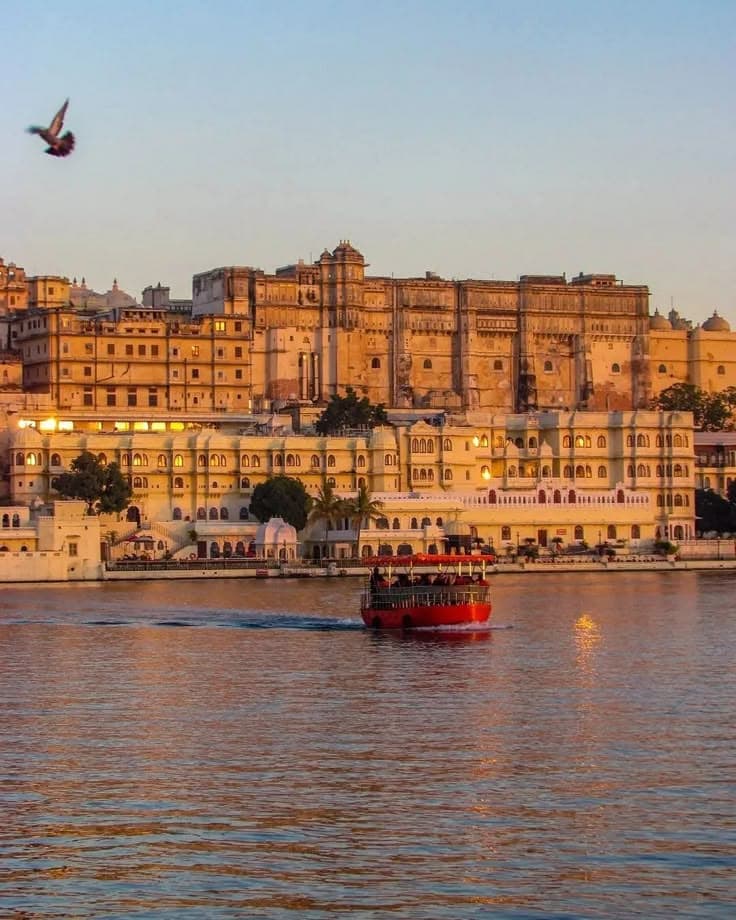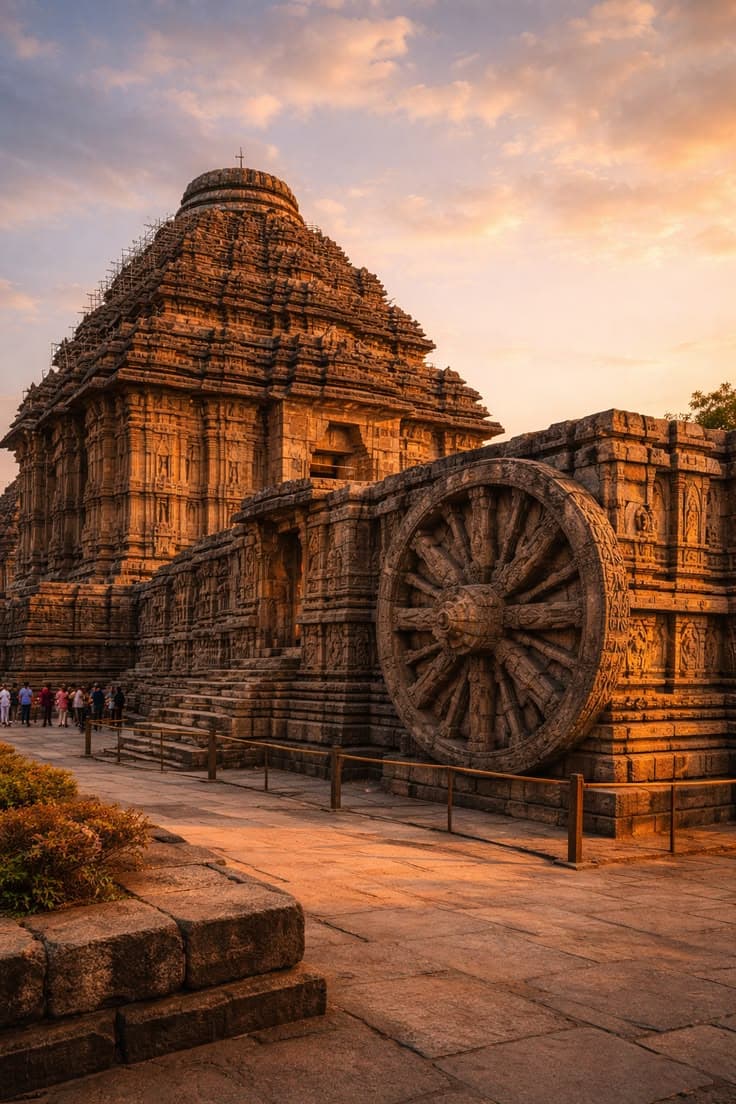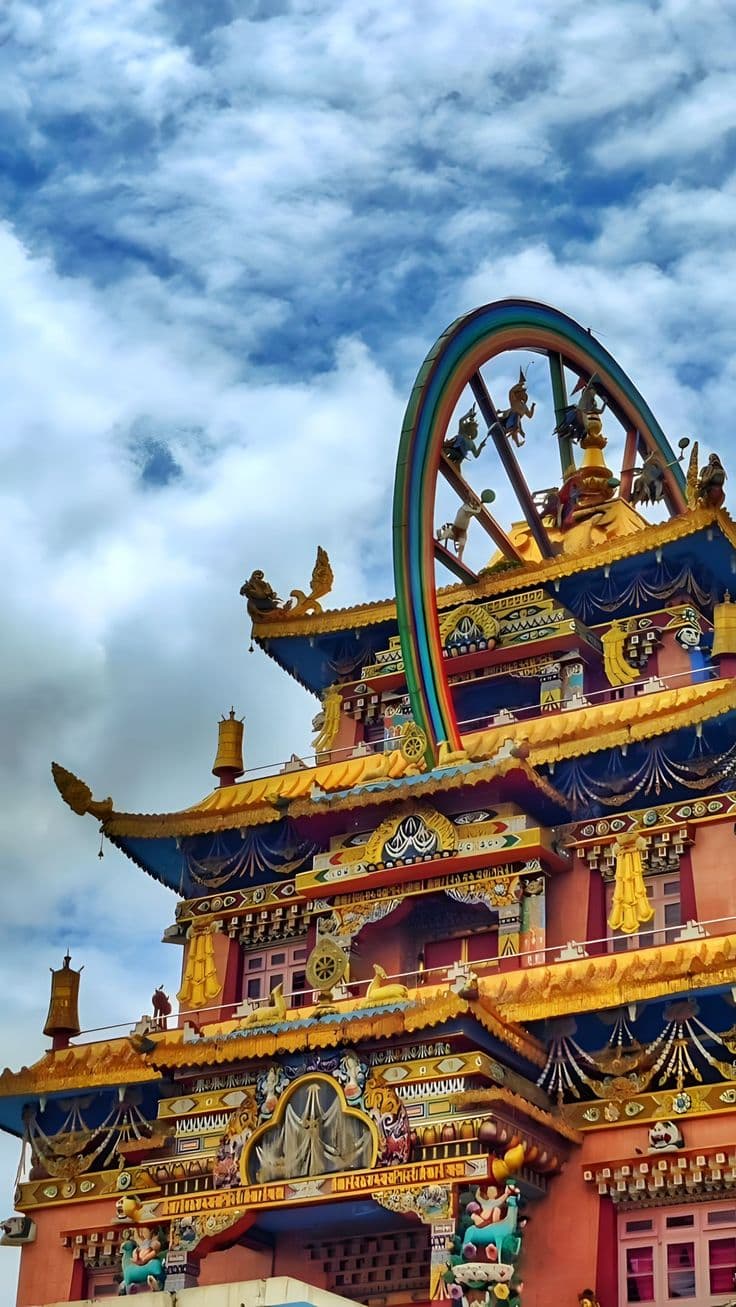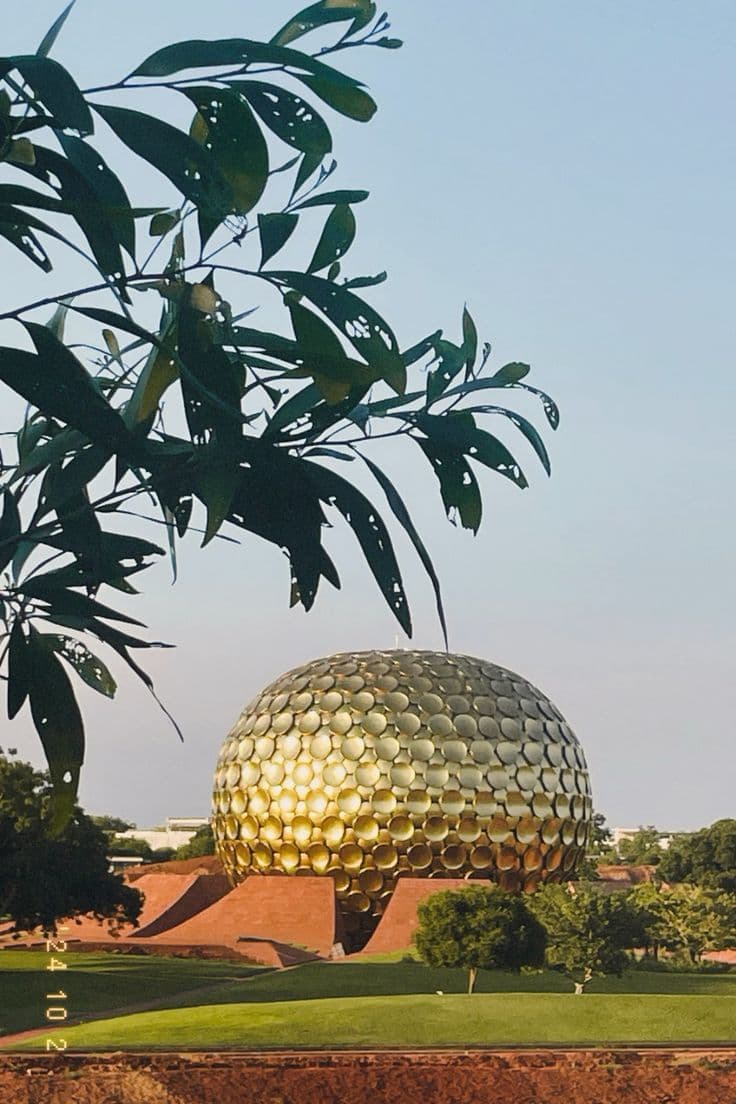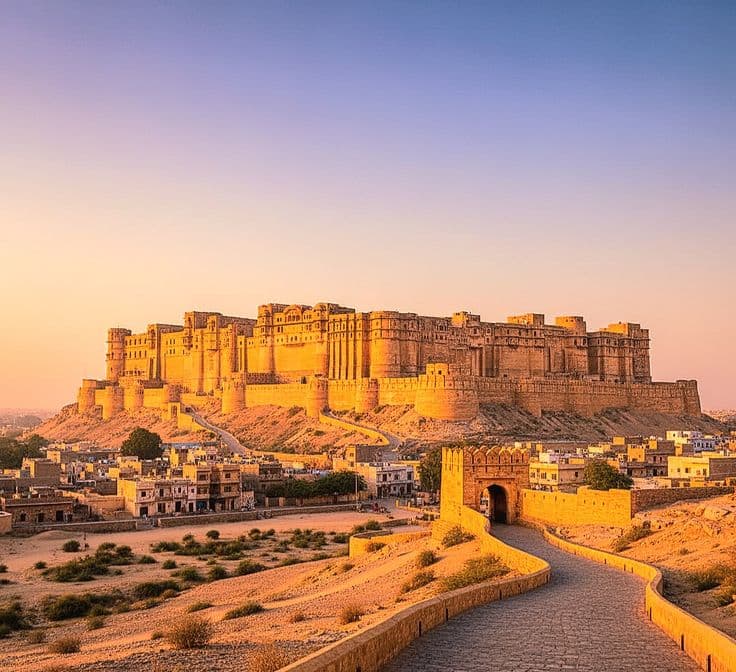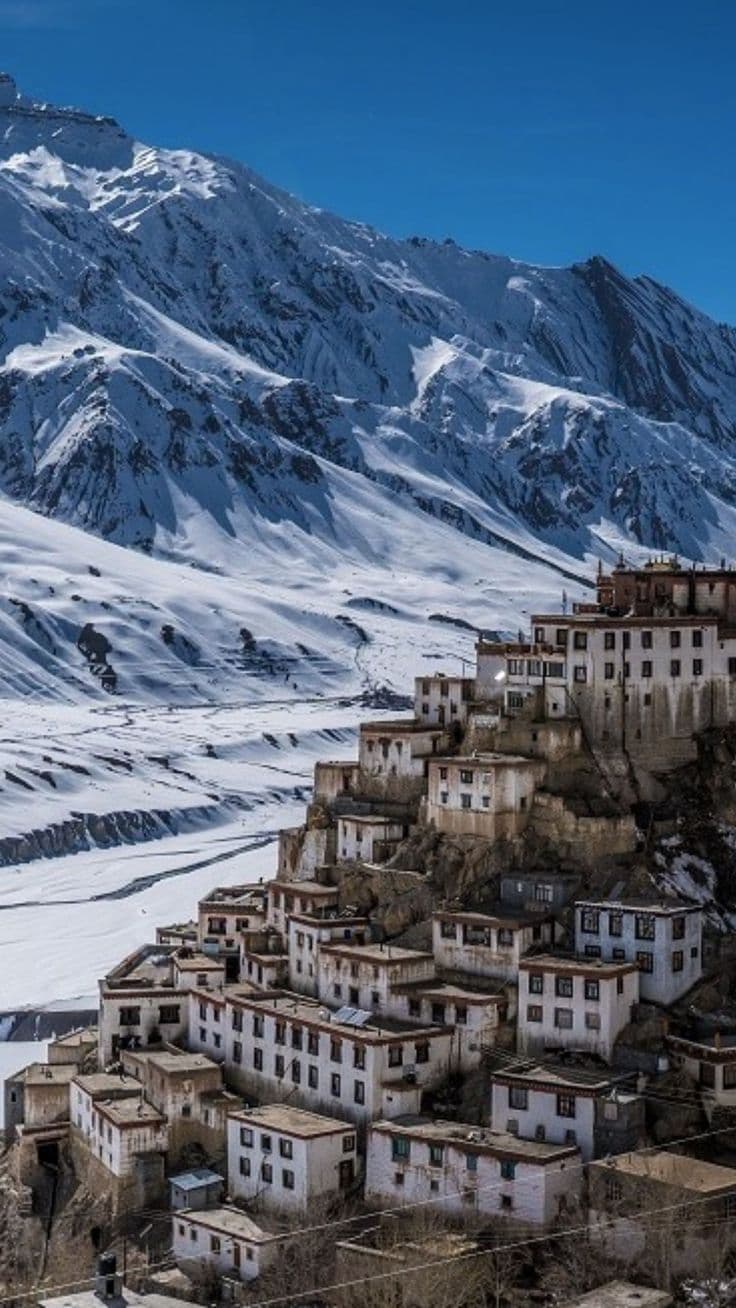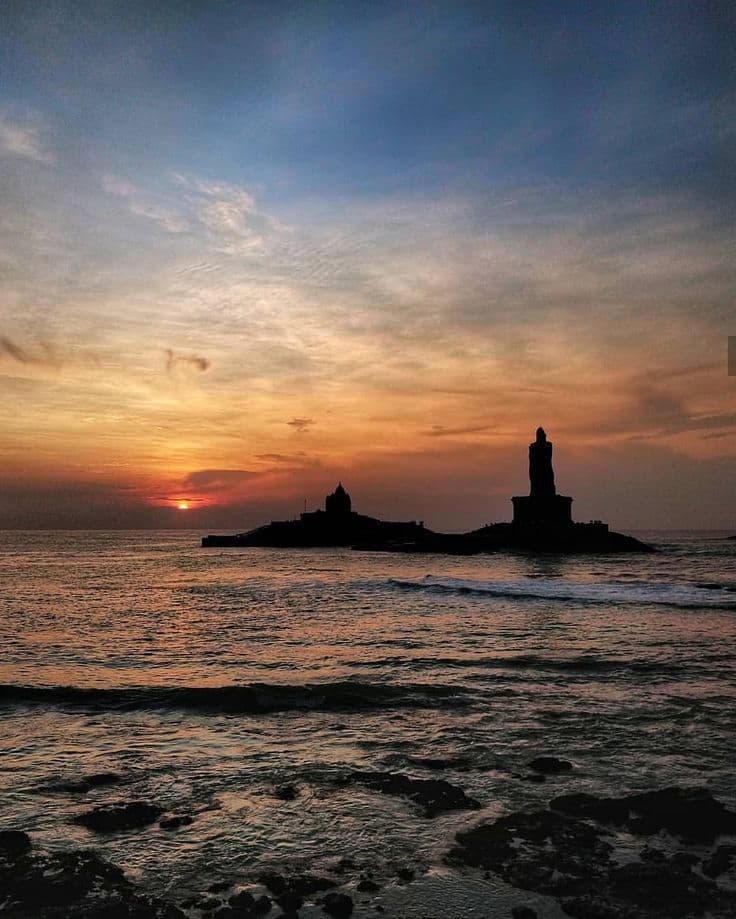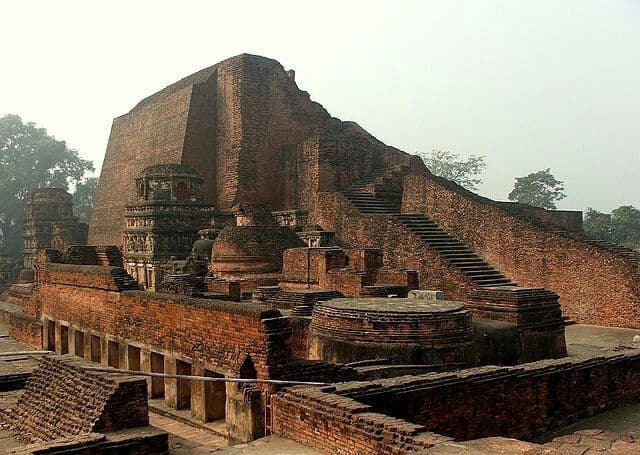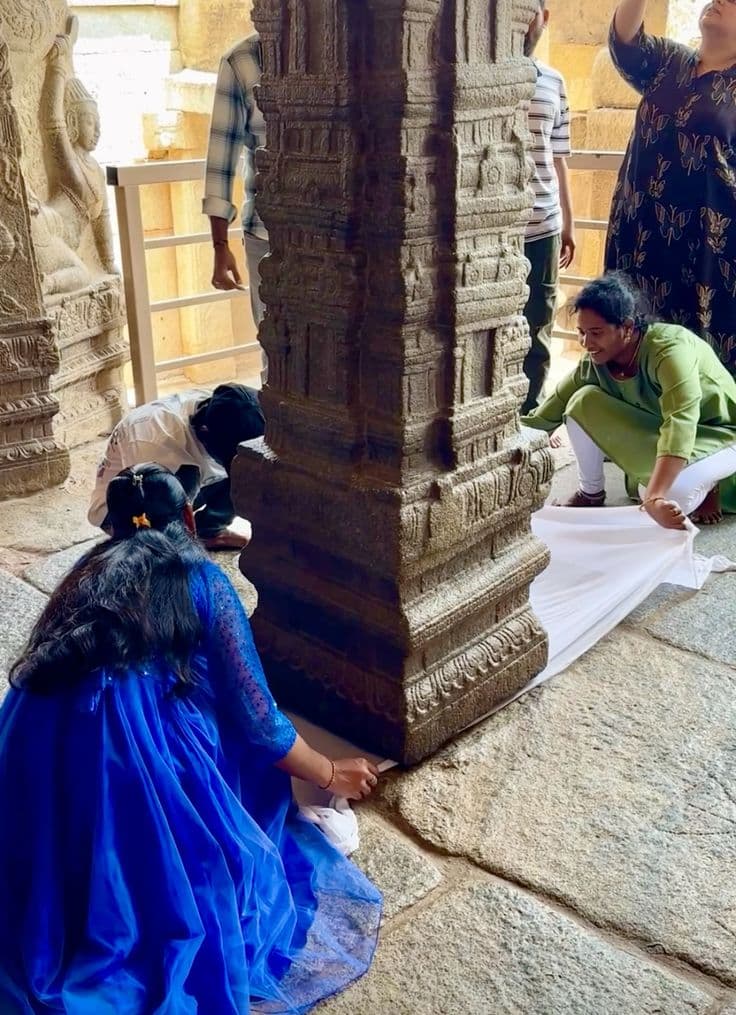










Eighteen sanctums. Ten Indian states, one Sri Lankan port, one occupied Kashmiri valley. Shankara wrote the list down in the 8th century and pilgrims have been chasing it ever since. The frame story: when Sati immolated herself at Daksha's yajna, Shiva carried her body across the cosmos in grief — Vishnu's Sudarshana chakra cut her down to pieces to break his madness, and wherever a piece fell, the earth became a Shakti Peetha. Hindu tradition layers the peethas in three counts: the canonical 51 (or 52 with Vaishno Devi added), the four Adi Peethas, and the Ashtadasha — eighteen Maha Shakti Peethas — listed by Adi Shankaracharya in his Ashtadasa Shakti Peetha Stotram. Complete all eighteen and you have walked the highest yatra in the Shakta tradition.
The eighteen, in stotram order
- Shankari Devi, Trincomalee — Sri Lanka. The original temple destroyed by Portuguese cannon in 1622.
- Kamakshi, Kanchipuram — Tamil Nadu. Where Adi Shankara consecrated the Sri Chakra.
- Sri Shrinkhala, Pandua — West Bengal. Largely a ruin; pilgrims now visit Hangseshwari at Bansberia.
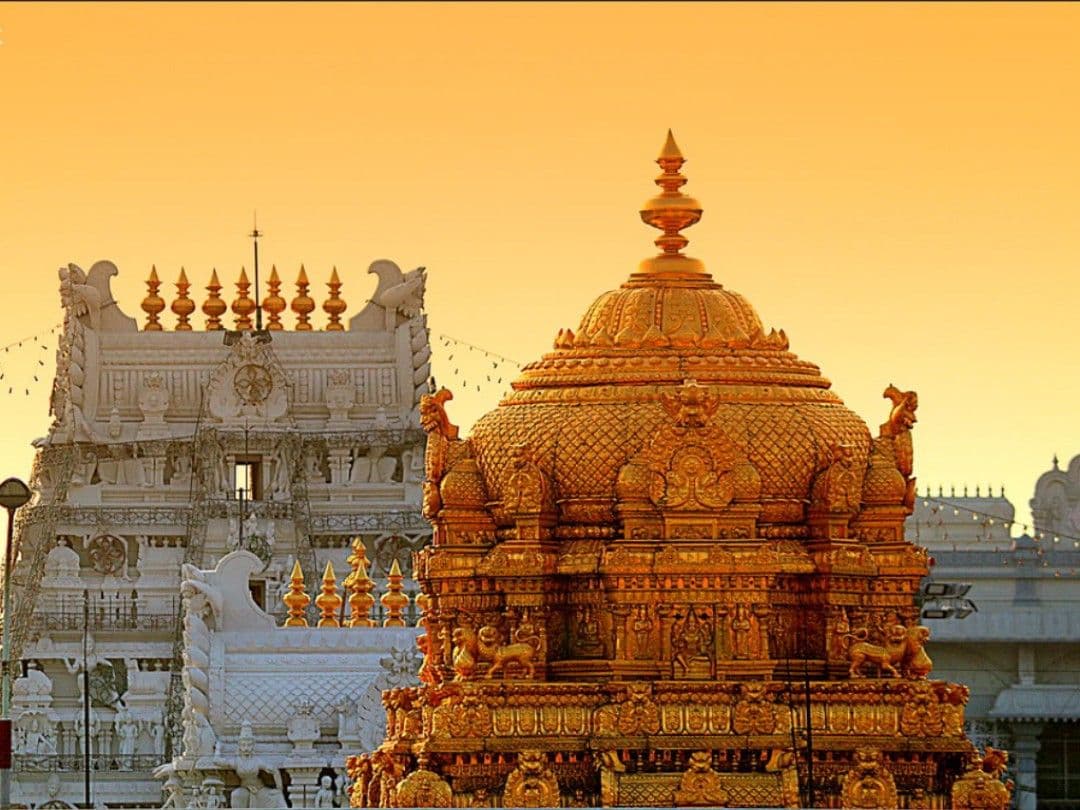
- Chamundeshwari, Mysore — Karnataka. Atop the 1,062 m Chamundi Hills; reached by 1,008 stone steps or a winding road.
- Jogulamba, Alampur — Telangana. Reconsecrated in 2005 inside the 7th-century Navabrahma temple complex.
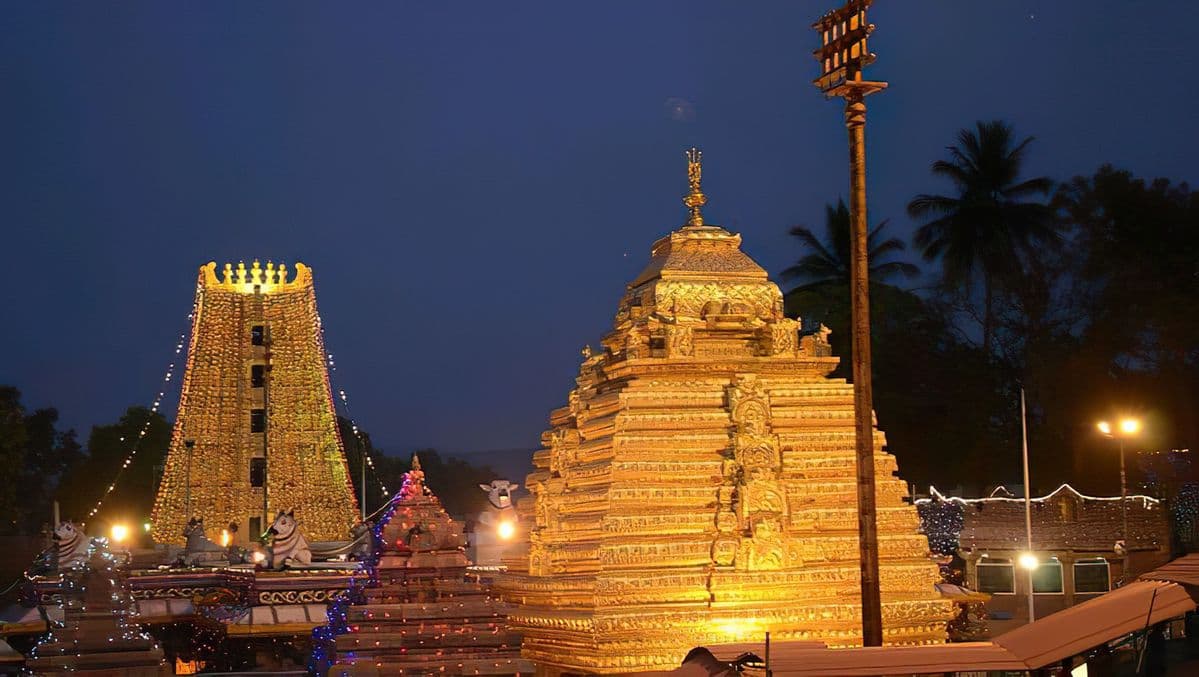
- Bhramaramba at Srisailam, Andhra Pradesh — paired with the Mallikarjuna Jyotirlinga.
- Mahalakshmi (Ambabai), Kolhapur — Maharashtra. Famous for the Kirnotsav, when sunlight enters the sanctum on a perfect axis.
- Ekaveerika (Renuka), Mahur — Maharashtra. Mother of Parashurama; one of the Sade Teen peethas of Maharashtra.
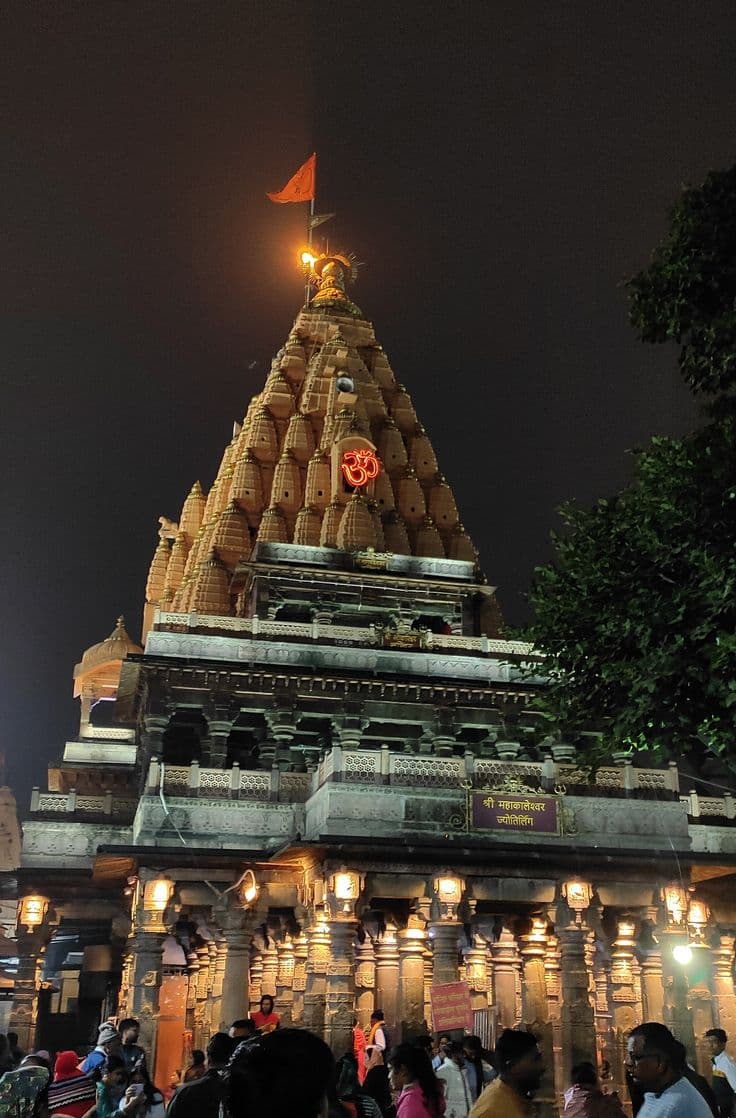
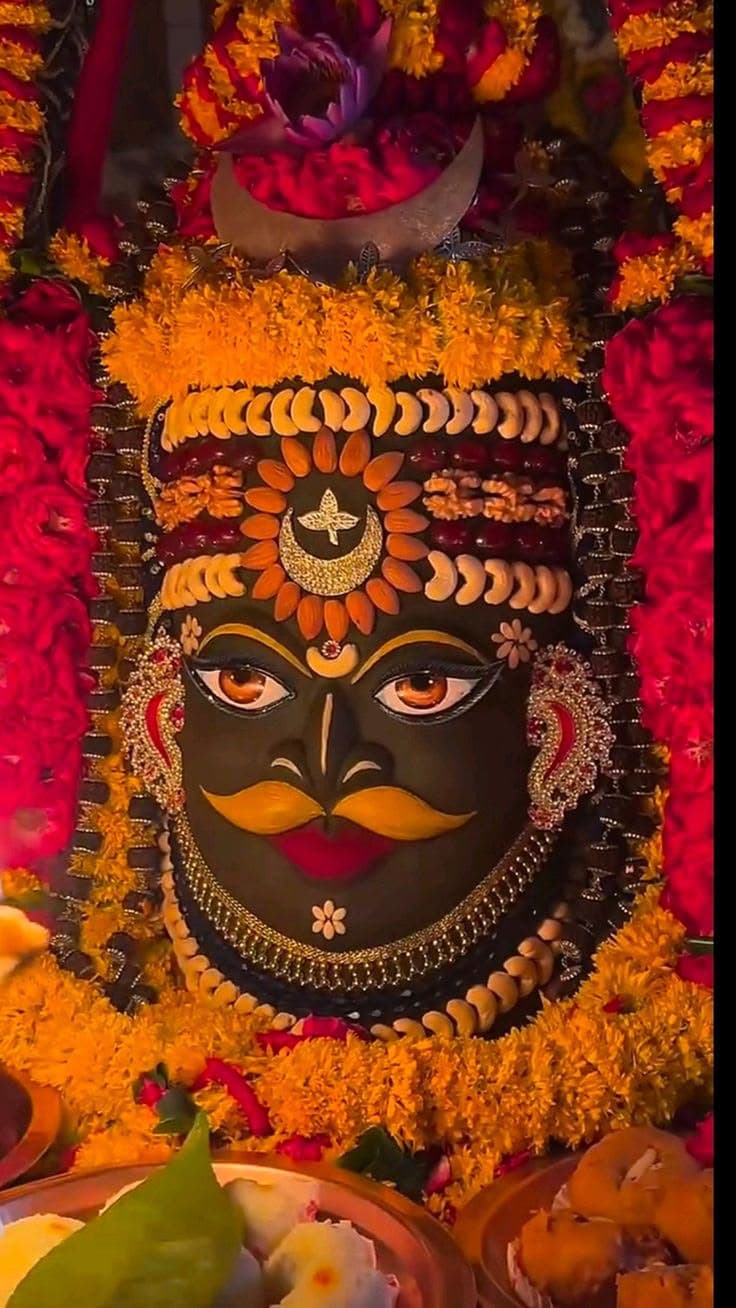
- Mahakali (Harsiddhi) at Ujjain, Madhya Pradesh — walking distance from Mahakaleshwar Jyotirlinga.
- Puruhutika, Pithapuram — Andhra Pradesh. Shares the Pada Gaya Sarovar tank for pinda offerings.
- Girija (Biraja), Jajpur — Odisha. One of the four Adi Shakti Peethas; ancestral rites at the Vaitarani.
- Manikyamba, Draksharamam — Andhra Pradesh. Inside one of the five Pancharama Kshetras of Shiva.
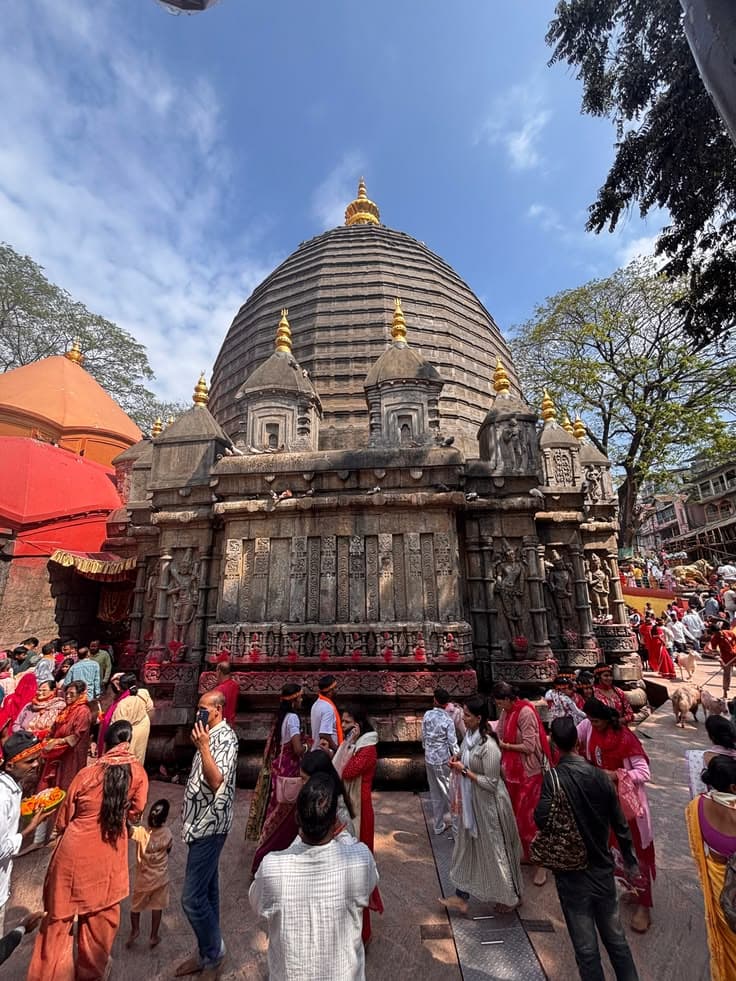
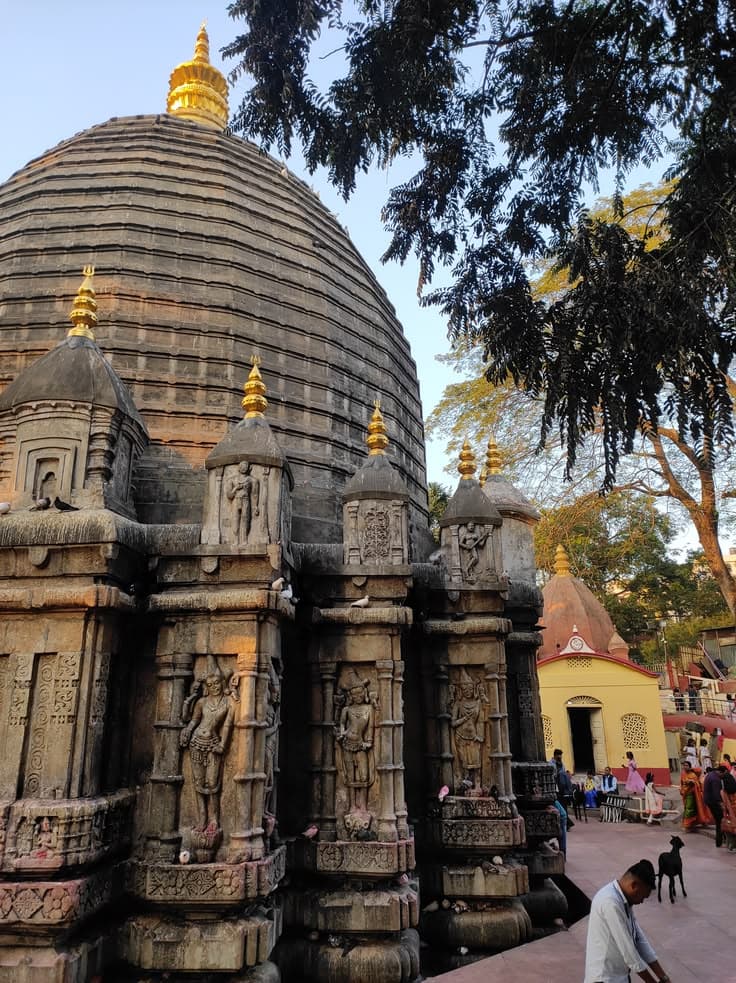
- Kamarupa (Kamakhya), Guwahati — Assam. The supreme tantric peetha; Ambubachi Mela in June.
- Madhaveshwari (Alopi Devi), Prayagraj — Uttar Pradesh. The temple has no idol; only a wooden palanquin (doli) is worshipped.
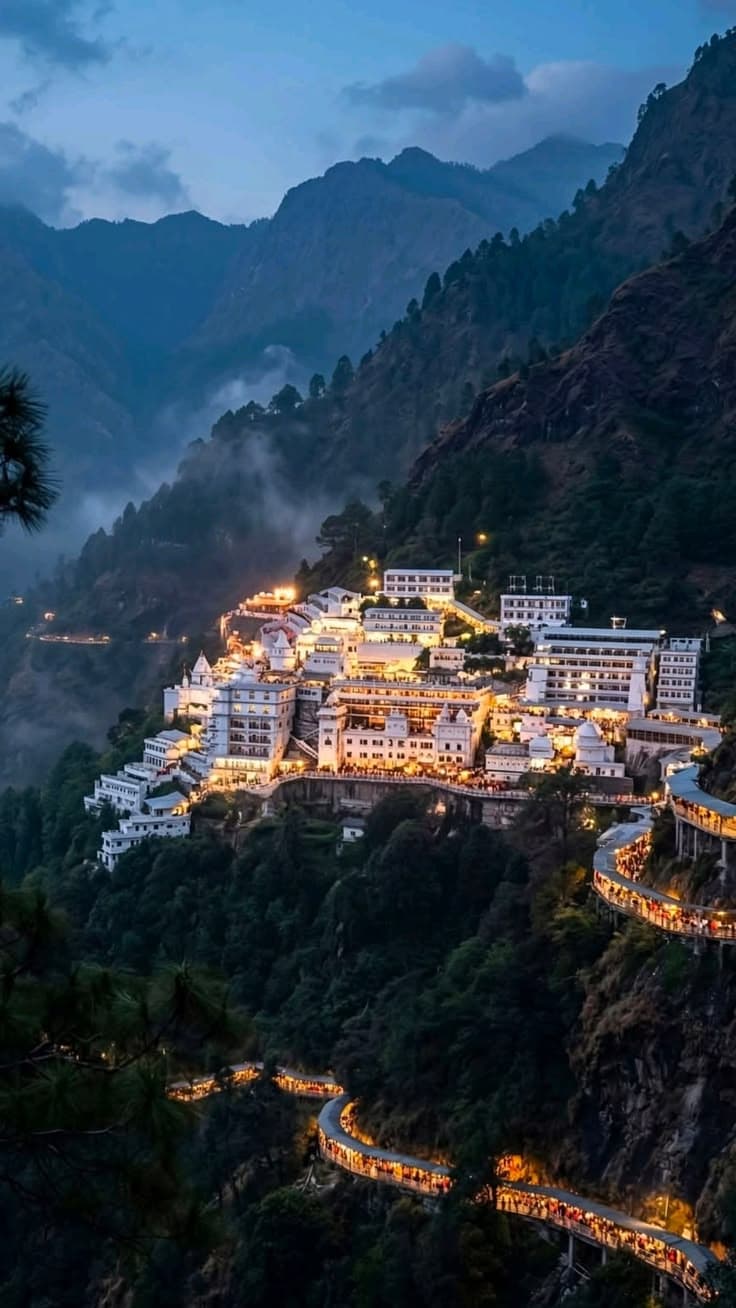
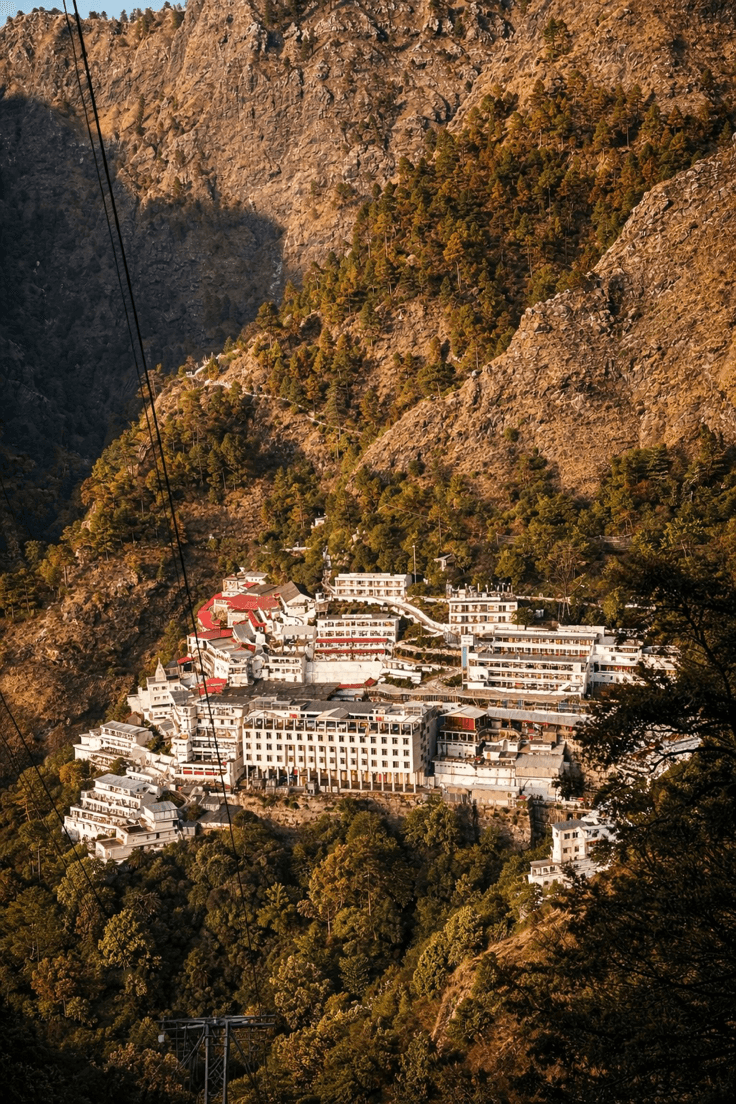
- Vaishnavi — popularly identified with Vaishno Devi, Jammu & Kashmir.
- Mangalagauri, Gaya — Bihar. Atop the Mangalagauri Hill, paired with India's premier ancestral-rite kshetra.
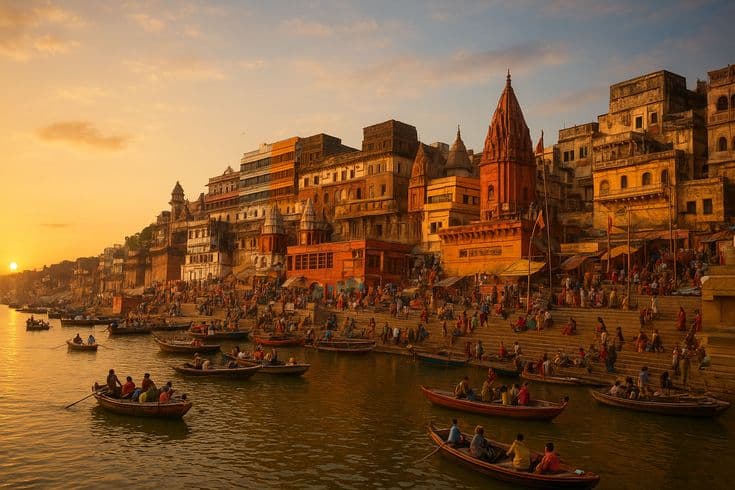
- Vishalakshi at Varanasi, Uttar Pradesh — small temple at Mir Ghat near the Manikarnika cremation ground.
- Saraswati (Sharda Peeth), Pakistan-occupied Kashmir — inaccessible since 1947; pilgrims substitute Sringeri Sharadamba.
Five practical sub-circuits
Eighteen peethas in geographic order make no sense — Shankari Devi is in Sri Lanka and Sharda Peeth is in PoK. Most modern yatris organise the route into five regional sub-circuits. South: Kamakshi, Chamundeshwari, Mahalakshmi (5-7 days). Deccan: Jogulamba, Bhramaramba, Puruhutika, Manikyamba (5-6 days). Central: Renuka at Mahur, Mahakali at Ujjain (3-4 days). East: Biraja, Kamakhya, Shrinkhala at Pandua, Mangalagauri at Gaya (6-7 days). North: Madhaveshwari at Prayagraj, Vishalakshi at Varanasi, Vaishnavi at Vaishno Devi (5-6 days). The two outside India — Shankari and Sharda — are pursued separately or substituted symbolically.
Why Adi Shankaracharya listed these eighteen
Shankara was 8th-century. He travelled the entire subcontinent on foot in his short life (he died at 32) and consolidated Hindu philosophy into a single Advaita framework. The Ashtadasa Shakti Peetha Stotram is part of that consolidation: an organising frame for an enormous, regional, often local Devi tradition. Many of the 51 peethas were tribal or village shrines; the eighteen Shankara chose were already grand institutions. In each, he is said to have personally installed the Sri Chakra, integrating tantric practice into mainstream temple worship. The Sankara Matha at Kanchipuram (right next to Kamakshi) is one of his four cardinal mathas; the legend at Sharda Peeth says he ascended the Sarvajna Pitha — the throne of all knowledge — there, after defeating local scholars in debate.
Two peethas that are also Jyotirlingas
Two stops in this circuit overlap with the twelve Jyotirlingas — the only sites in India where Shiva and Shakti share an address. Srisailam hosts both the Mallikarjuna Jyotirlinga and the Bhramaramba Devi temple; the two sanctums are inside a single complex and one ticket gets you both darshans. Ujjain is Shankara's other paired stop — Mahakaleshwar (Jyotirlinga) and Harsiddhi (Shakti Peetha) are 1.5 km apart in the same town. Pilgrims who visit both with a single sankalpa are observing one of the oldest paired-deity rituals in Hindu practice.
Vaishnavi: where exactly does the stotram point?
The fifteenth verse — Jvalayam Vaishnavi devi — is the most debated line in the stotram. Three interpretations compete. Vaishno Devi at Katra is the popular modern identification, accepted by most pilgrimage operators today; the cave shrine in J&K is also the most-visited Devi peetha in modern India. Jwalamukhi at Kangra is the literal Sanskrit reading — the stotram's jvalayam ('at the flame') reads as Jwala Devi's natural-gas flames. Kanyakumari is the third candidate, especially in Tamil Shakta traditions. Most yatris visit Vaishno Devi for the eighteenth-peetha box-tick and Jwala Devi separately; we cover both in our Bengali Shakta and northern Devi trail.
“Yā devī sarvabhūteṣu śakti-rūpeṇa saṁsthitā — She who abides in all beings as power.”

About the author
Arjun BanerjeePilgrimage · Heritage
Kolkata-based historian and travel writer who walks India's pilgrimage routes, reading temple towns as living archives of language, ritual and trade.
More from Arjun BanerjeeFrequently asked questions
- What's the difference between the 51, the 18, and the 4 Adi Shakti Peethas?
- Different layers. The 51 (or 52) is the popular full count from the Devi Bhagavata; the 18 is Shankara's canonical 'major' shortlist; the 4 Adi Peethas — Bimala (Puri), Tara Tarini (Ganjam), Kamakhya (Assam), Kalighat (Kolkata) — are considered the original four. Only Kamakhya overlaps between the 18 and the 4. Pilgrims who want both lists need an extended yatra, often combined with the all-India Char Dham.
- Can I really still visit Sharda Peeth?
- Not directly. The original site is in Pakistan-occupied Kashmir, 12 km across the Line of Control. Pakistan reopened a small modern temple there in 2022 but the Indian government has not implemented a Kartarpur-style permit corridor for it. Indian-passport holders cannot reach it. The accepted symbolic substitute is Sringeri Sharadamba in Karnataka, which Adi Shankara himself established as the southern counterpart of Sharda Peeth.
- When is Navaratri at these temples?
- Twice a year. {{strong|Sharad Navaratri}} (late September-October) is the bigger one — nine days of Devi worship culminating in Vijayadashami. {{strong|Chaitra Navaratri}} (March-April) is the spring observance. Vaishno Devi yatra registration windows fill within minutes during these nine days; book accommodation at Katra 30+ days ahead.
- What is Kanya Pujan?
- On the eighth or ninth day of Navaratri, devotees feed nine pre-pubescent girls (representing the nine forms of Durga) a ritual meal of puri, halwa and chana. The girls are seated, their feet washed, and gifts offered. The rite is observed at every Shakti Peetha and in homes across north India during Navaratri.